Products
Choose Your Custom Pouch
who we are
Resources
My cart





Bag size is decided by volume, not weight, so two products of the same weight often need very different pouches.
Loose leaf tea is very light for its volume, and whole leaf against a cut blend can differ several times over. Sachets are counted rather than weighed, so tell us how many go in a pouch. Aim to fill roughly 70 to 90 percent of capacity: any lower and the pouch looks half empty on shelf, any higher and it will not seal cleanly.
Takes about a minute. Not sure of the fill weight? Put one bag's worth in a ziplock and weigh it.
What brands ask us before their first tea run: minimums, barrier, sealing and what actually keeps the product the way you made it.
One hundred per design for a stand-up pouch, a flat pouch or a pillow pouch, which are the formats most tea brands use. Side gusset, quad seal and flat bottom bags start at 500 per design. The minimum is set by how the bag is constructed, not by what goes in it. Counted per design, a four-blend range at 100 each is a 400-unit order, which means you can launch a whole range properly branded instead of putting three blends in the same generic bag with a sticker.
No. We make the pouch the tea is sold in, not the infuser sachet, the filter paper or the string and tag. If you need someone to manufacture the sachet itself, we are not that supplier. If you already have sachets, or you sell loose leaf, the pouch is the part that carries your brand, your barrier and your shelf life, and it is the only part your customer sees on the shelf. That is the part we make, and we make it properly.
Tea has the widest volume spread of anything we pack. A whole-leaf oolong is mostly air and takes several times the space of a fine-cut blend at the same weight, and matcha behaves like a powder again. Weight on its own cannot size a tea pouch. Tell us the weight and roughly how the leaf is cut, or run it through our bag sizing tool. Getting it right is what keeps a 50 g pouch looking like 50 g of tea rather than a bag that arrived half empty.
Tea's problem is aroma loss and light more than spoilage, and the volatile oils are exactly what your customer is paying for. A plain clear film does not hold them, and it lets light fade the leaf. Our standard answer is a metallized structure, which is opaque and holds aroma well. Kraft with a metallized liner gives the same protection behind a paper face. The payoff is that the cup brewed at home tastes like the one that sold them the tea, months after they bought it.
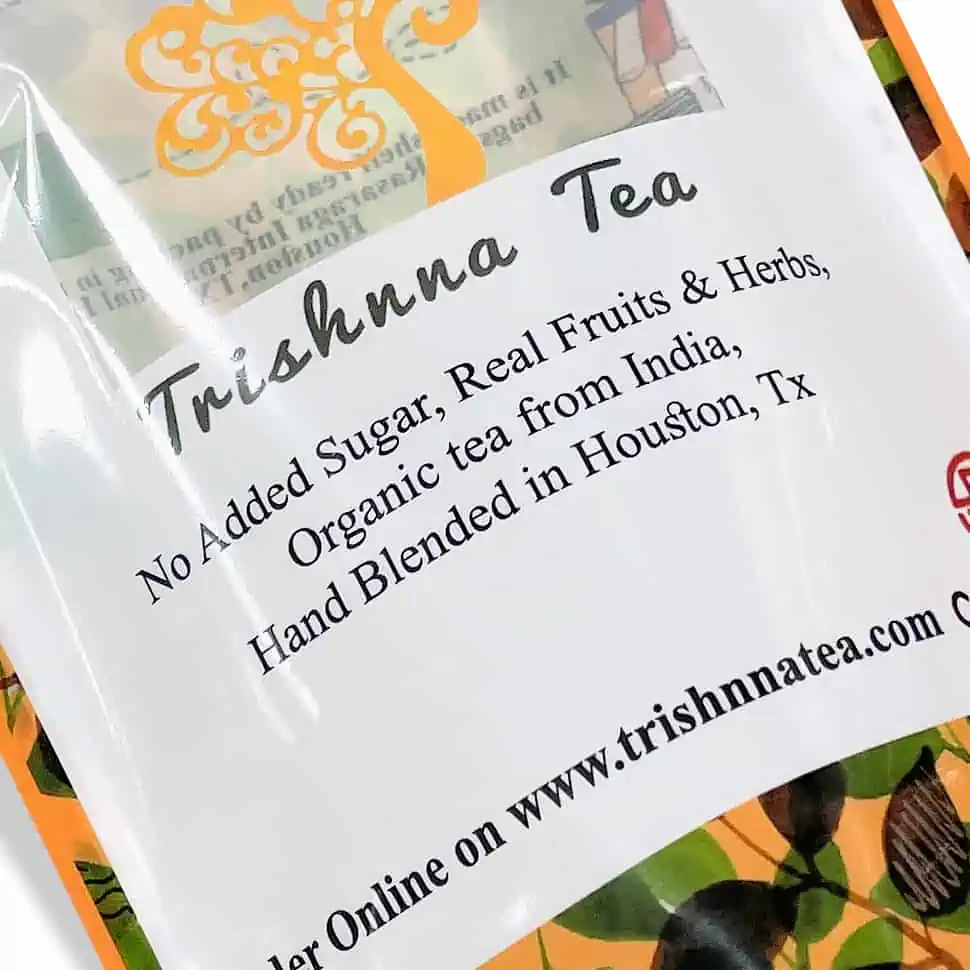
Yes, and it sells tea, because people buy on what the leaf looks like. The trade-off is real: a window carries less barrier than the rest of the bag, and the tea behind it takes the full light dose, so it fades first. Keep it small and off the panel facing the shelf lighting and you get the visibility without much cost. For a green or a delicate white, a printed photograph gives the same shelf appeal and the tea still tastes right in month four.
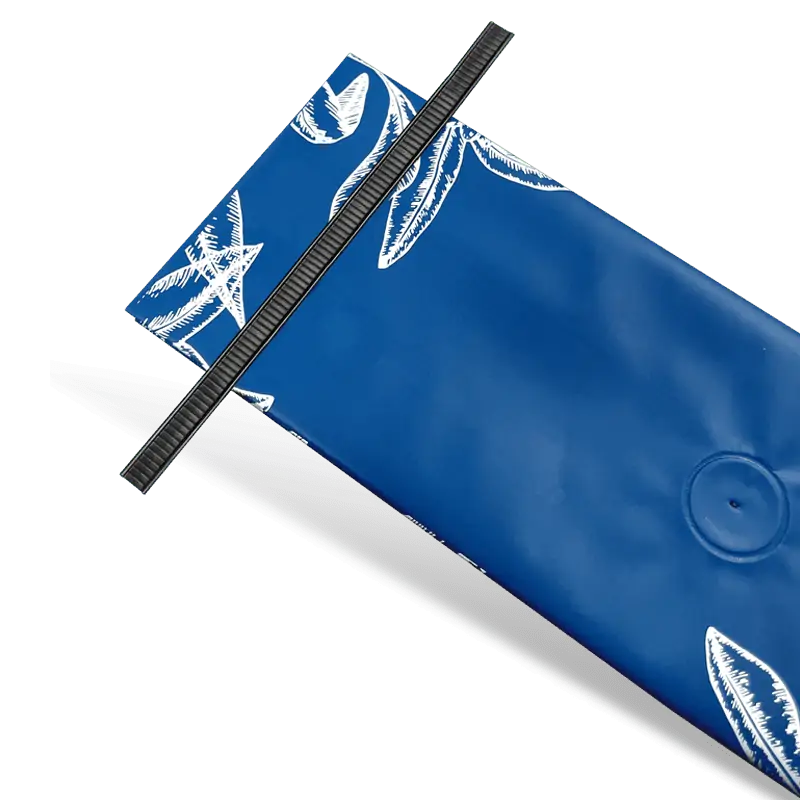
No. A valve exists to vent carbon dioxide out of freshly roasted coffee, and tea does not off-gas. Fitting one to a tea pouch gives you a hole with a membrane over it, a higher unit cost and nothing to show for it. If you roast coffee as well and want one packaging line across both, that is worth a conversation. Otherwise the money is better spent on the barrier and the print, which are the two things that actually protect and sell the tea.
Paper on its own is not a barrier at all. A kraft pouch is paper outside with a barrier liner behind it, and the liner does all the protecting. Our standard kraft carries a metallized liner, so you get the natural, small-batch look on shelf without giving up aroma or light protection. That matters because the brands most drawn to kraft are usually the ones selling on flavor. There is a clear-liner kraft too, but it is only used where the bag has a window in it.
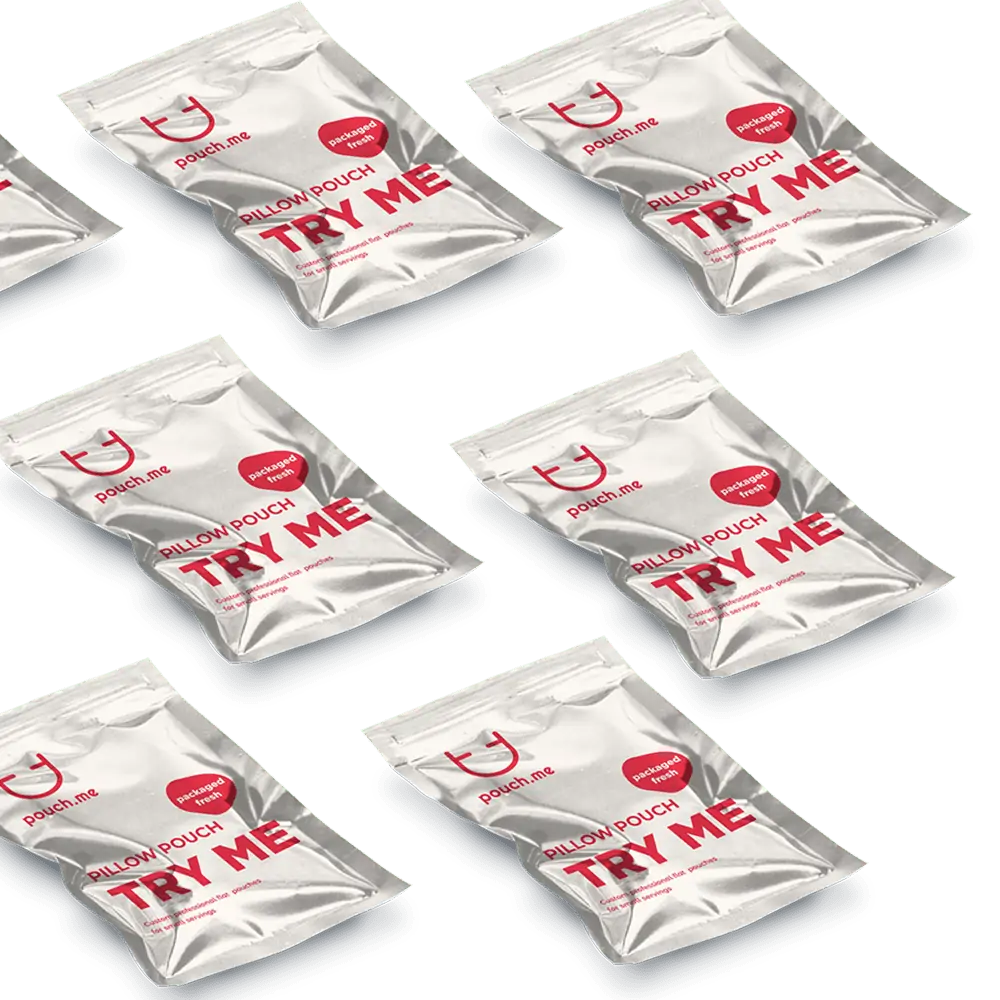
Loose leaf goes in a stand-up pouch or a flat bottom bag: a wide opening you can scoop from and a zipper to reclose, which is what makes a 100 g pouch last a month on a kitchen shelf. Individually wrapped sachets go into a flat pouch or a pillow pouch, single-use and cheaper per unit. A pillow pouch takes no zipper because it is wrapped from one web of film. If you sell both, that is two bags and two designs, priced separately.
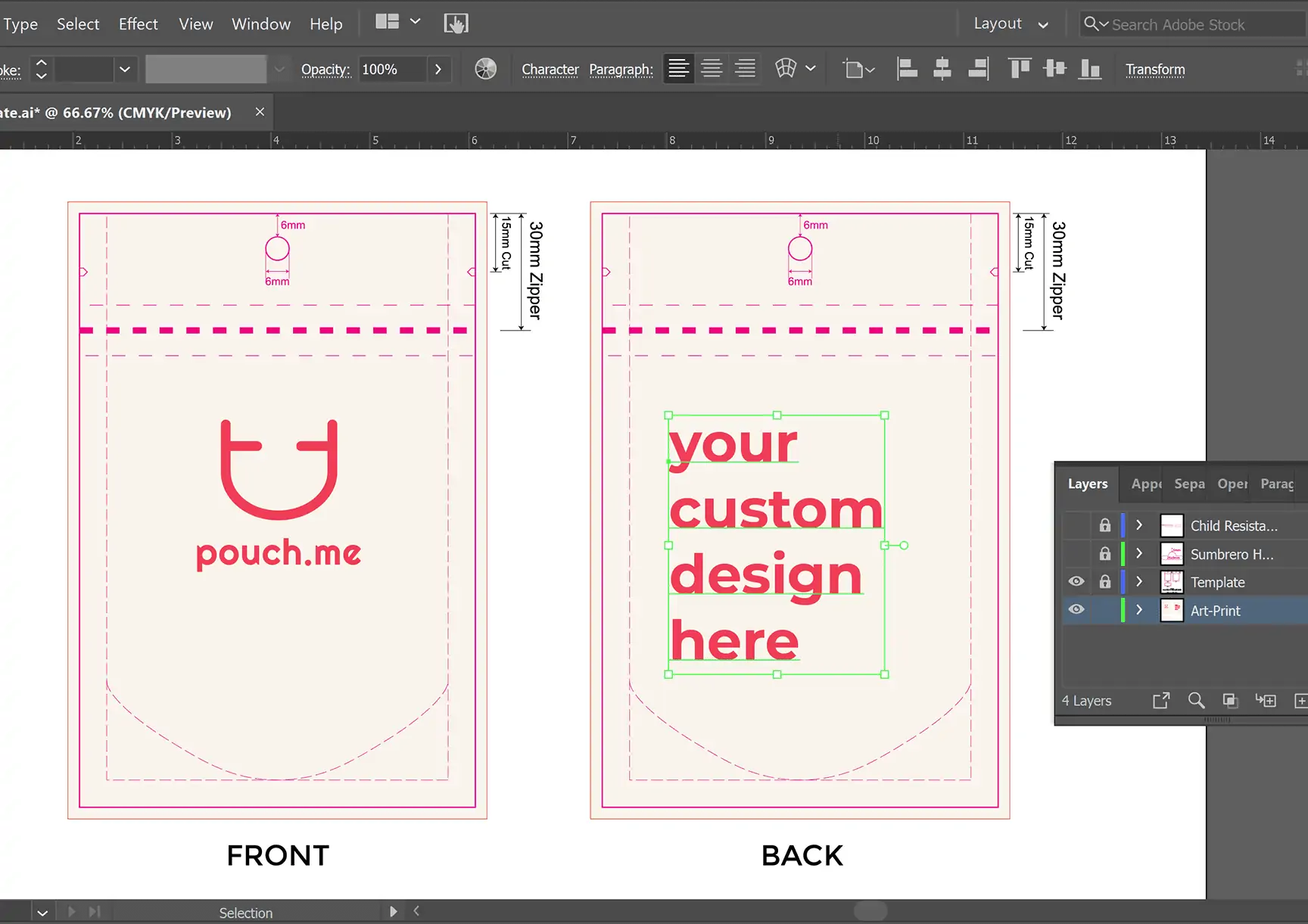
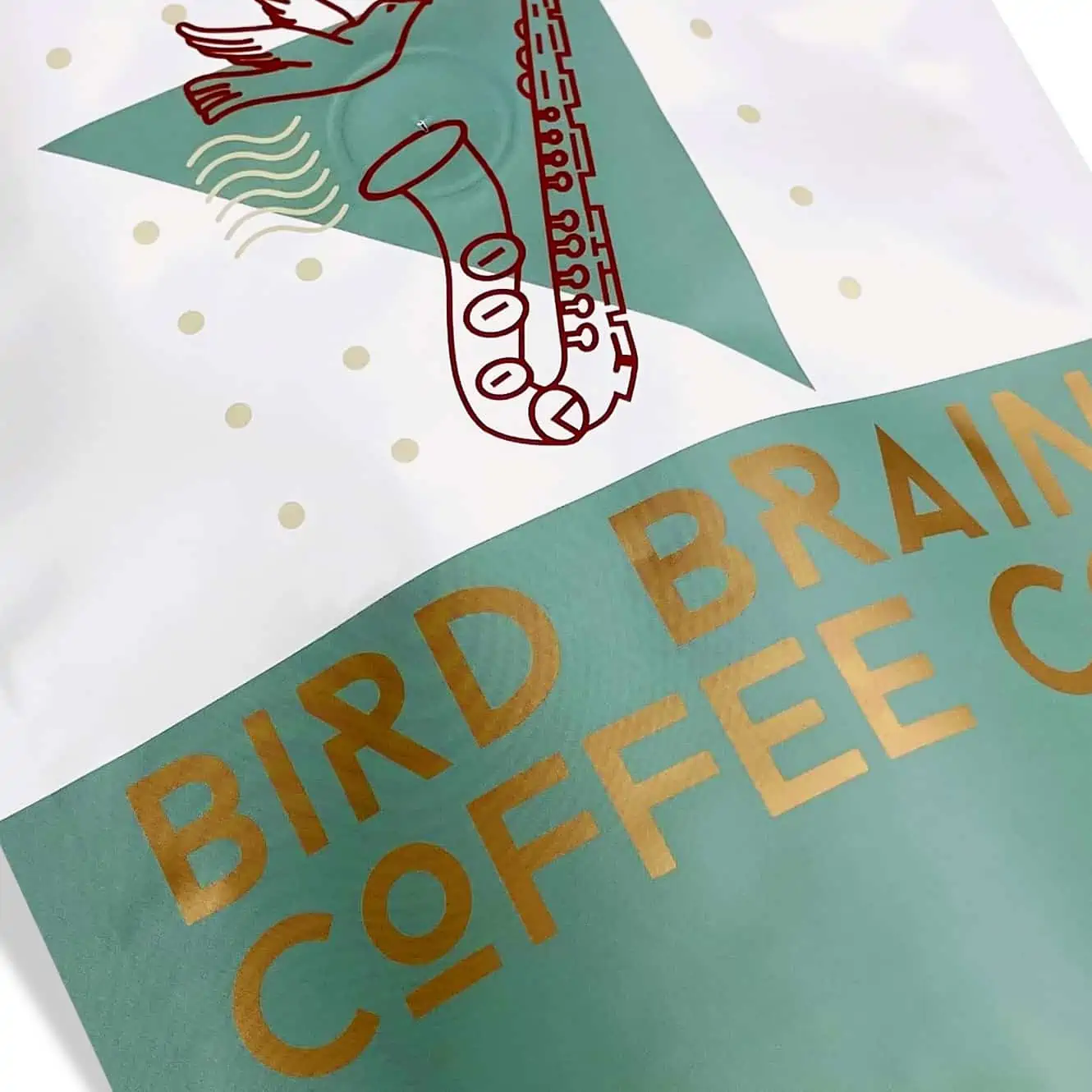
Digital printing handles full-color artwork edge to edge with no plate fee and gets close on most brand colors. If a color is brand-critical, say a specific green you have built a range around, tell us, and we will flag anything likely to shift when it converts to CMYK. An exact Pantone match needs gravure, which has a higher minimum that depends on bag size. Design and prepress are free, and you sign off a proof before we print, so the bag that arrives is the one you approved.