Products
Choose Your Custom Pouch
who we are
Resources
My cart










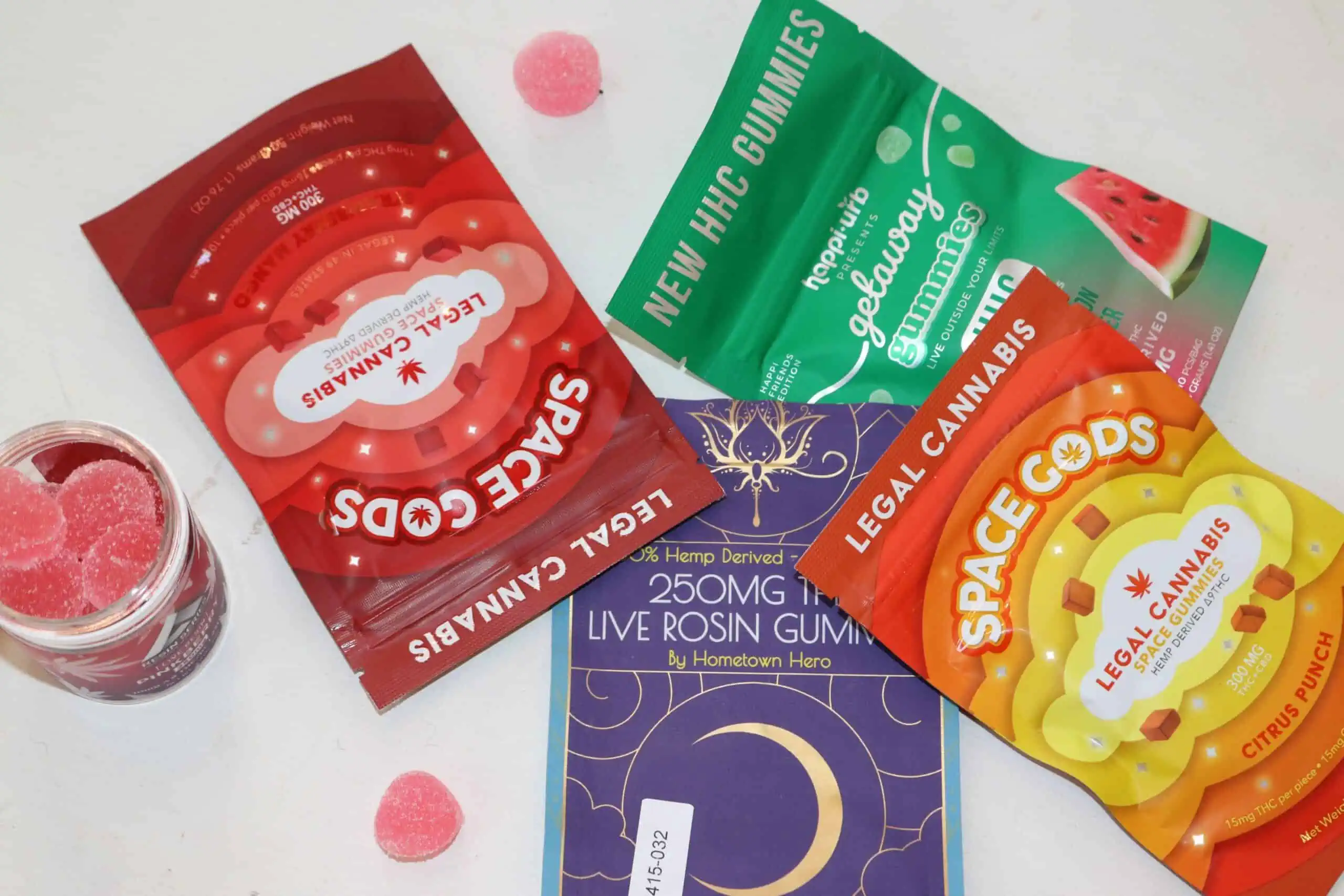

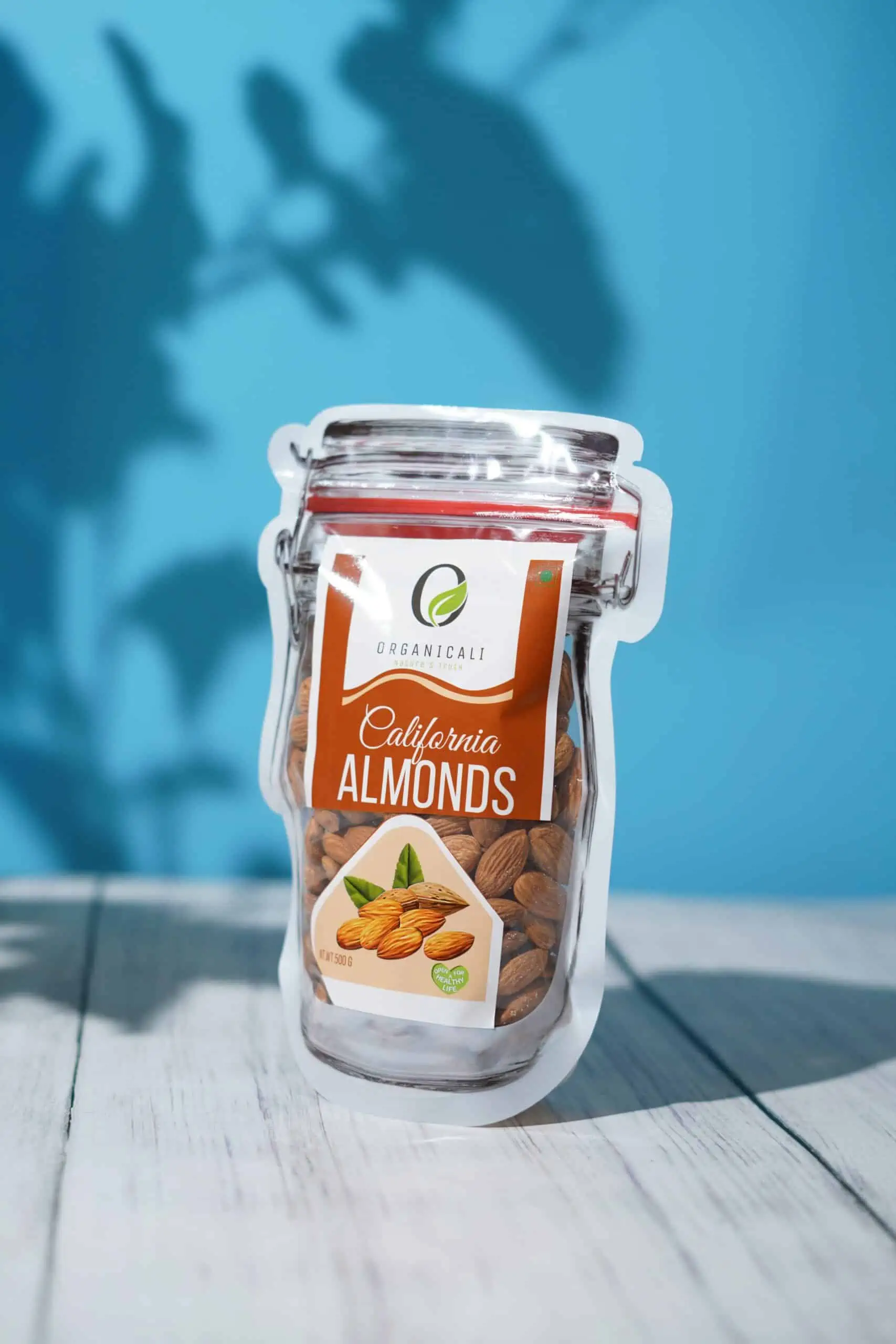
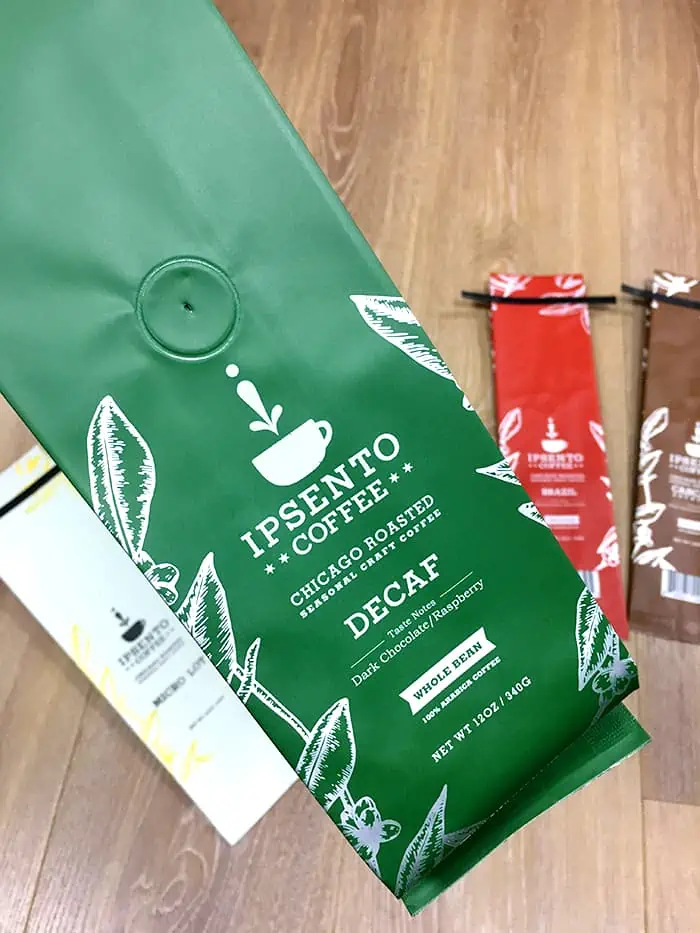

Bag size is decided by volume, not weight, so two products of the same weight often need very different bags.
Sizing a flat product means allowing for its thickness as well as its face, because both sides of the film wrap up and over the item before the seals are added. Aim to fill roughly 70 to 90 percent of capacity: any lower and the bag looks half empty on shelf, any higher and it will not seal cleanly.
Takes about a minute. Not sure of the fill weight? Put one bag's worth in a ziplock and weigh it.
What brands ask before choosing a lay flat pouch: what it can take, how it compares, and what it costs to start.
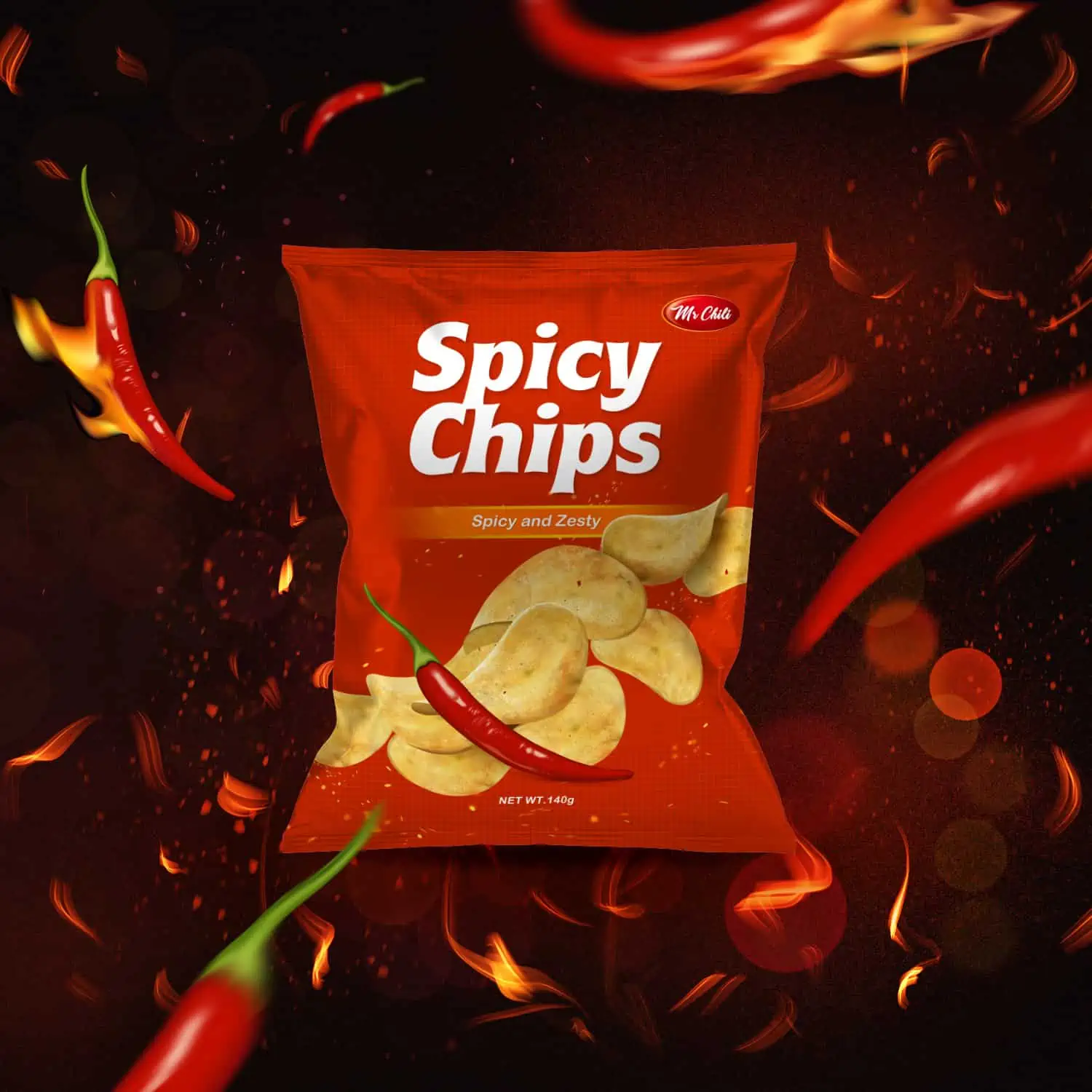
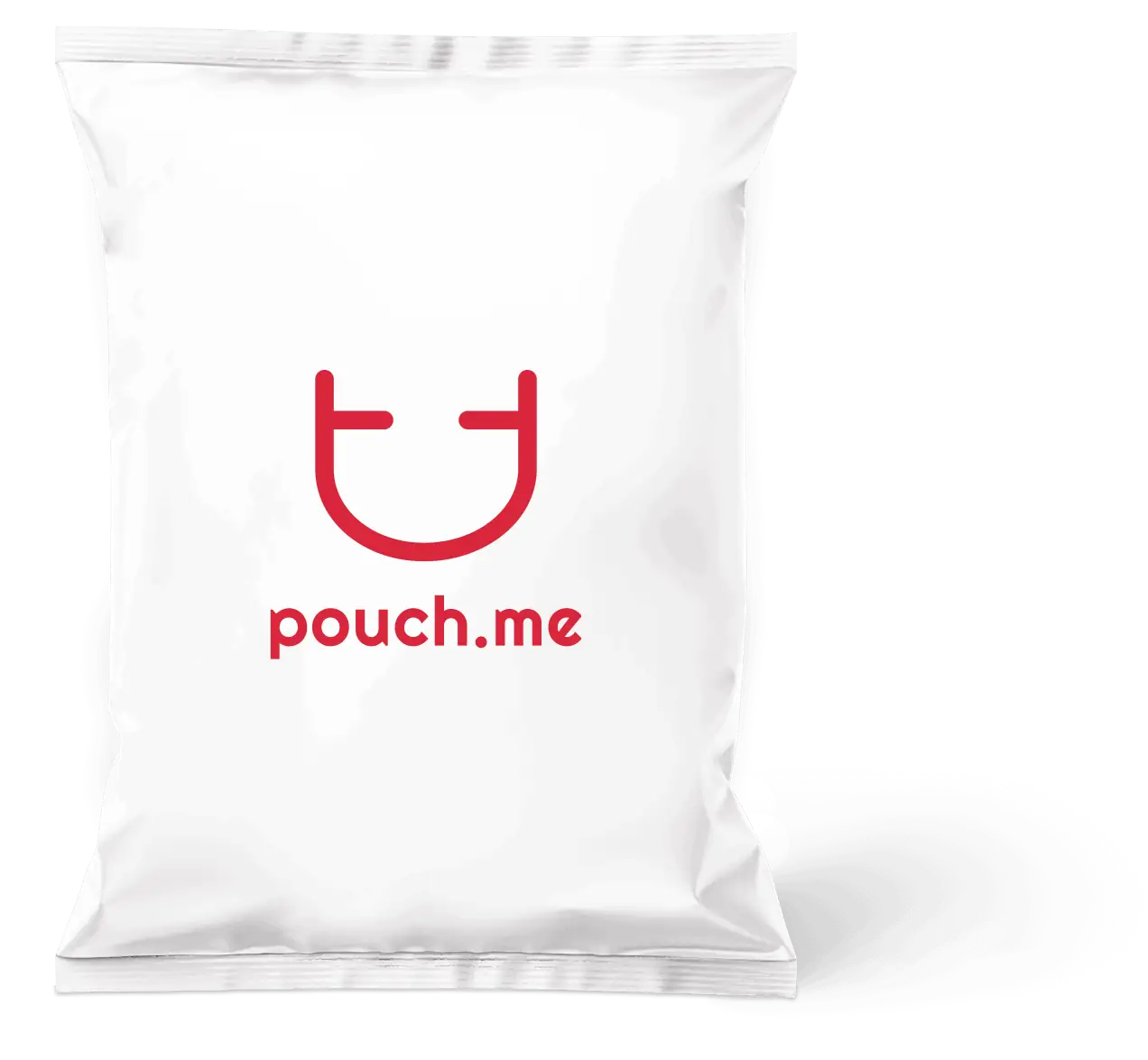
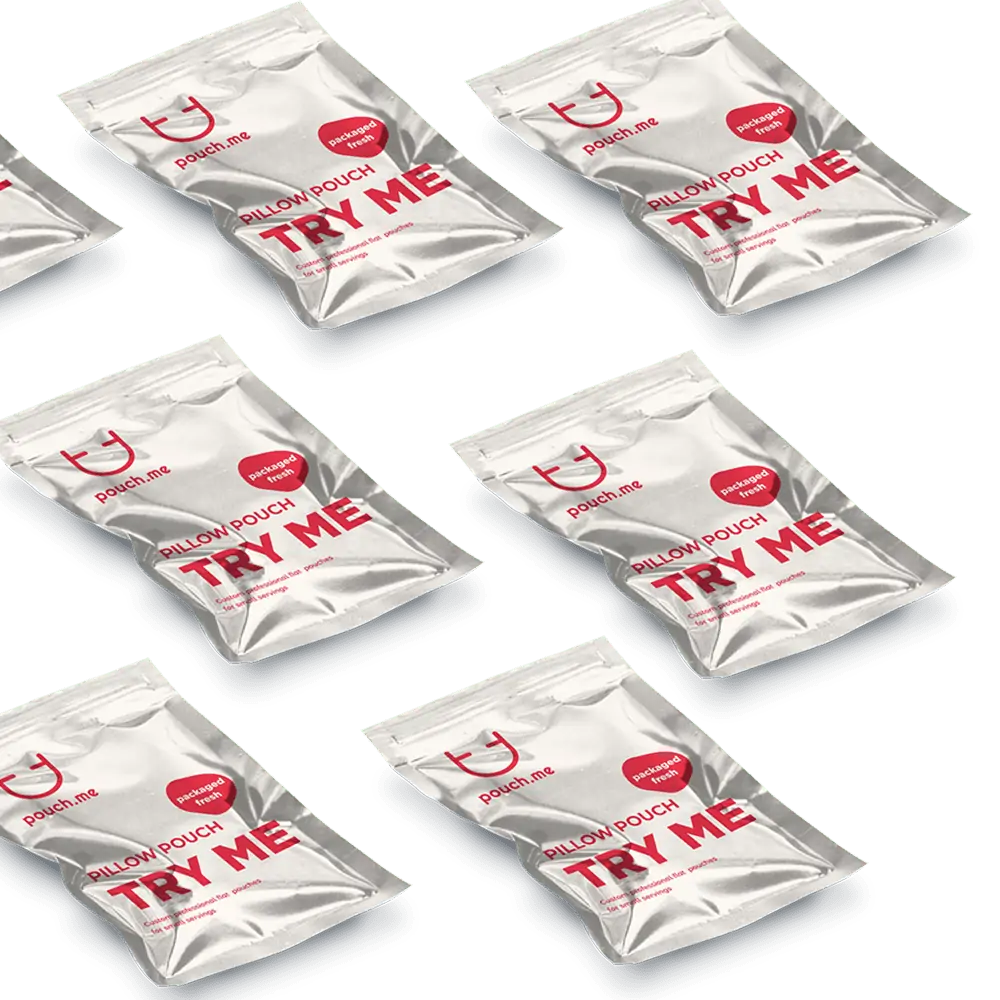
Lay flat describes how the bag behaves rather than how it is built, and two of our formats do it. A three side seal flat pouch is sealed left, right and one end, with no gusset. A fin seal pillow pouch is a single web wrapped into a tube with a seam down the back. Both lie flat empty, both stay low profile filled, and both start at 100 per design. Which one suits you comes down to whether the pack has to reclose, and how low the unit cost has to go.
If the pack gets opened once and finished, the fin seal build is cheaper per unit and it is what the snack aisle runs on. If it gets opened and closed over days, take the three side seal build, because it accepts a standard press to close zipper and the fin seal build accepts none at all. The other thing that decides it: only the three side seal build can carry different films front and back, so a kraft face with a clear back to show the product is a flat pouch job. Tell us how it gets eaten and we will quote the right one.
Not from the item's width alone, which is where most first attempts go wrong. Both faces of the bag have to wrap up and over the thickness of whatever is inside, so the inside width you need is the item's width plus its thickness, plus about 10 mm of clearance so it can actually be loaded. Add 12 mm on top of that for the two side seams. Height works the same way, plus the top and bottom seals. Send us the piece dimensions rather than the weight and you get a bag the product slides into rather than one it jams in.
Different geometry, because a loose fill makes its own shape. A filled flat pouch does not stay perfectly flat: it bulges to roughly 18% of its inside width at the deepest point, and a fin seal pillow pouch to about 30%. That is what sets capacity, along with whatever height is left once the top and bottom seals come out. Aim to fill 70 to 90%: below that the pack looks half empty on a shelf, above it the top will not seal cleanly. Give us the product and the fill weight and our size finder does the rest.
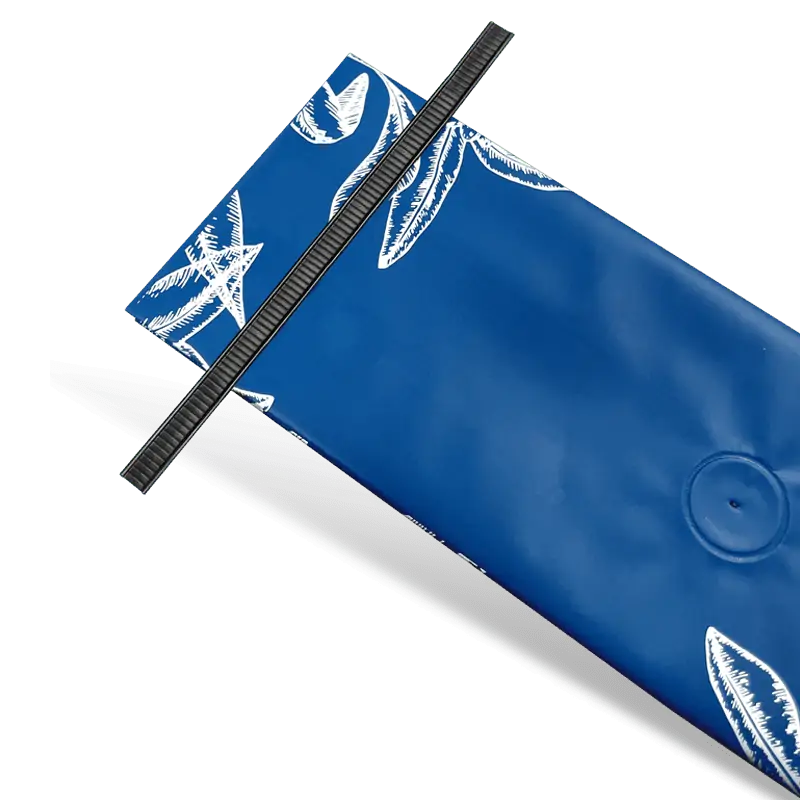
One hundred per design, on either build, and every bag is manufactured and printed to your artwork rather than labeled onto stock. Stand-up pouches are also 100. Side gusset, quad seal and flat bottom start at 500 because those constructions take more converting. It counts per design, not per order, so a six variant range is six lots of 100. On a low profile pack that is often the whole product line, which is the point: you can put a finished looking range in front of a buyer without a warehouse full of one flavor.
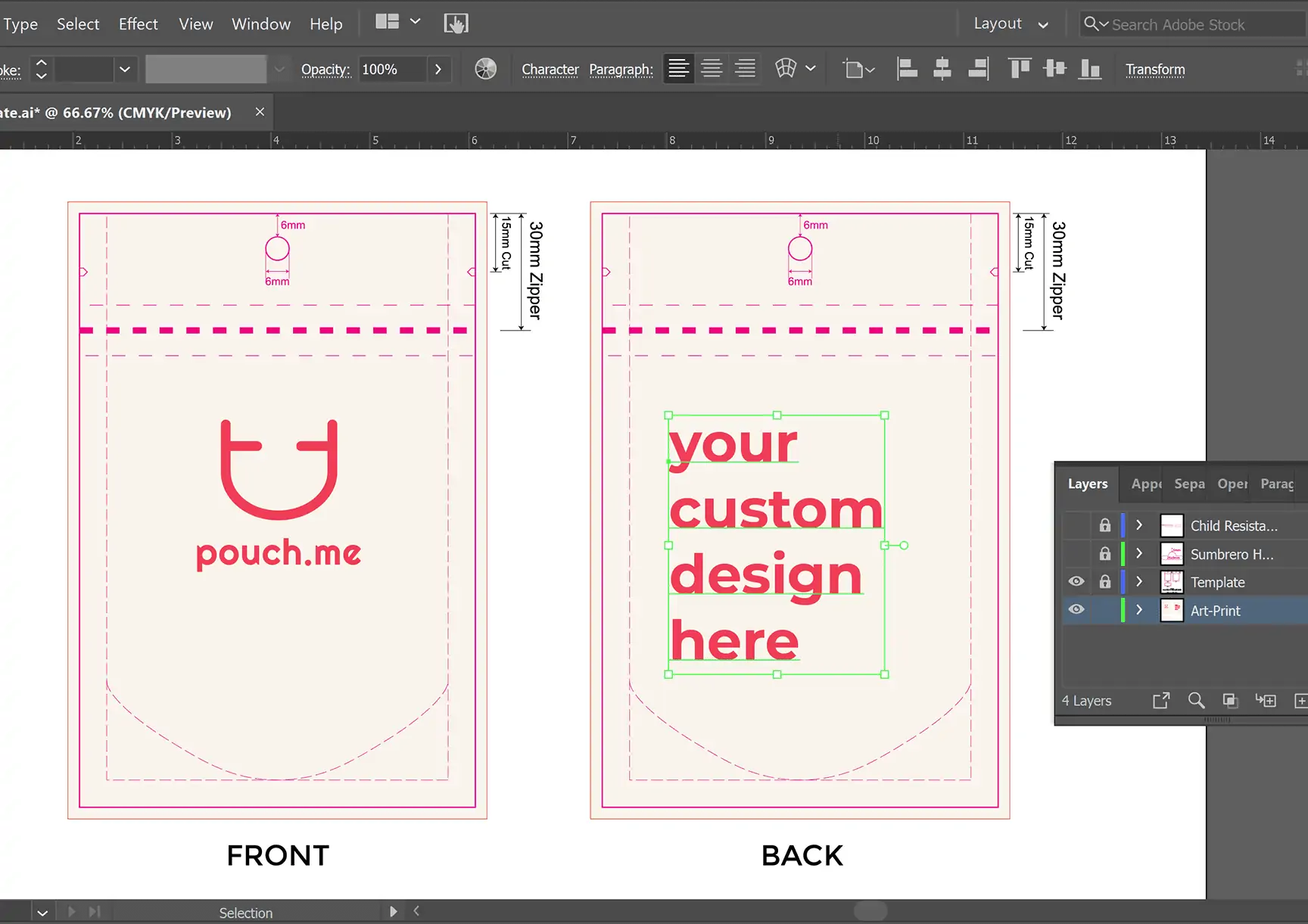
Yes, and about 70% of them are ordered with a hang hole, one of the highest shares of any format we build. Standard is a 6 mm round punch, with a reinforced 8 mm sombrero for heavier packs and a euro slot where the retailer's fixtures need one. The rule that catches people is orientation: the hole has to sit on a sealed edge, never the edge you fill through, so a bag filled through the top takes its hole in the bottom edge. Settle it at quote stage and the artwork reads the right way up on the peg.
Anywhere the pack does not have to stand. It ships and stores flat, so it costs less to move and takes less room in a carton. It fits through a mail slot, which matters for subscription boxes and direct mail. It stacks face up in a bin or a counter display and it hangs cleanly on a peg. It also uses the least film of any format we build, so the unit cost is the lowest we quote. The moment the pack has to hold a facing on a grocery shelf, that flips and a stand-up pouch wins.
Yes, printed to your artwork on both builds: fin seal ready rollstock, and three side seal rollstock. If you run your own form fill seal line you are buying film rather than finished bags, and the laminates are the same ones we make pouches from, so the barrier does not change with the format. Rollstock follows the same minimums, from 100 per design. If you do not fill in house we supply the bags made up and empty, with every edge but one already sealed, and you or your co-packer close the last one.