Products
Choose Your Custom Pouch
who we are
Resources
My cart

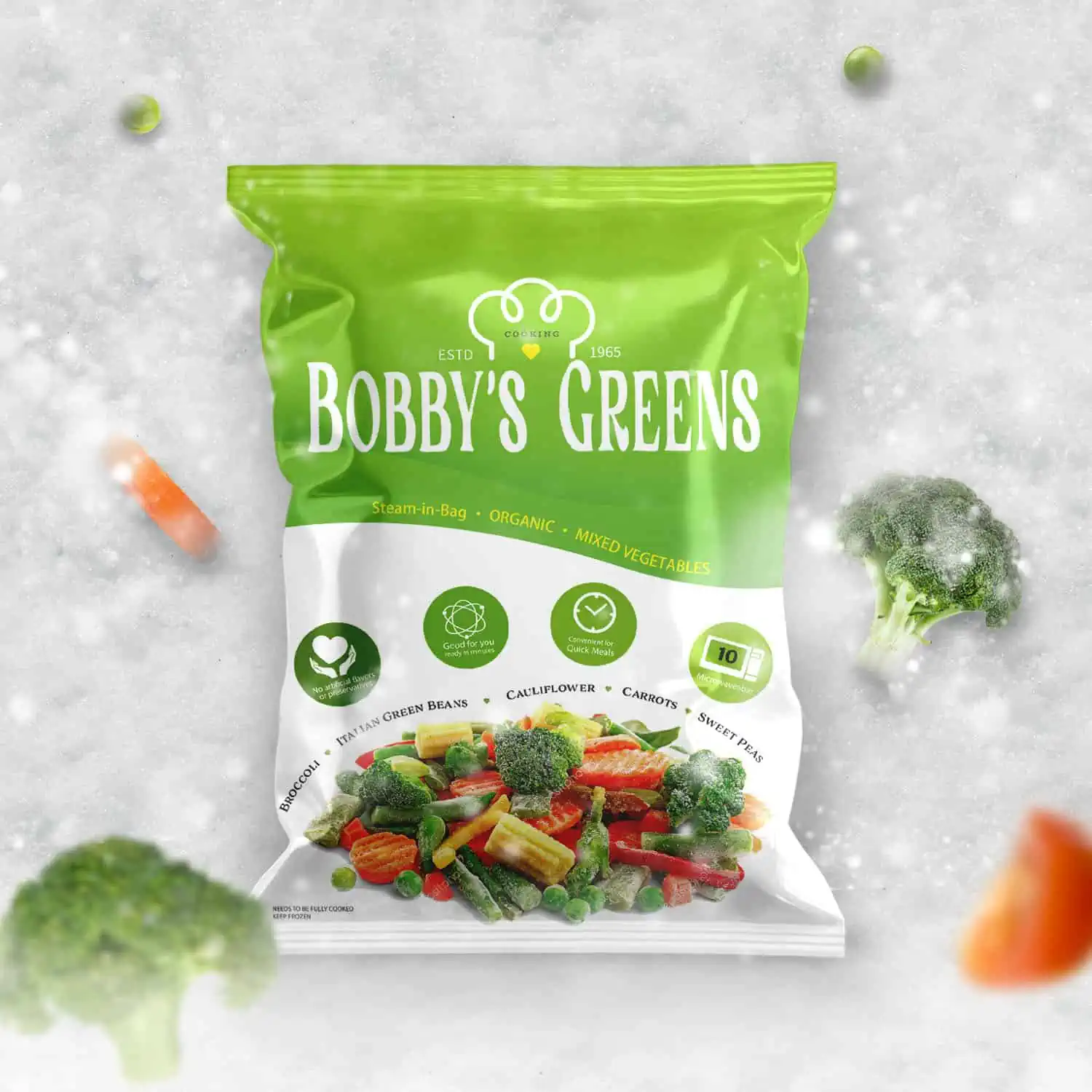

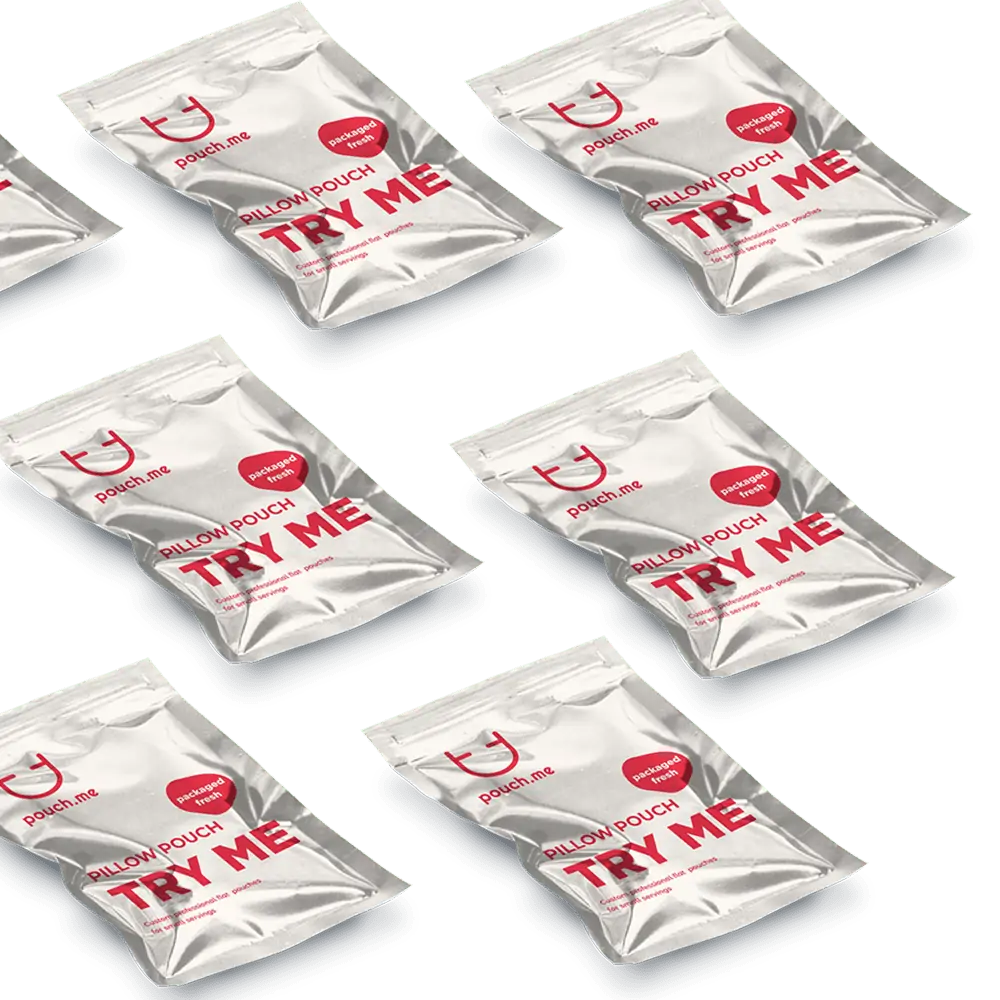
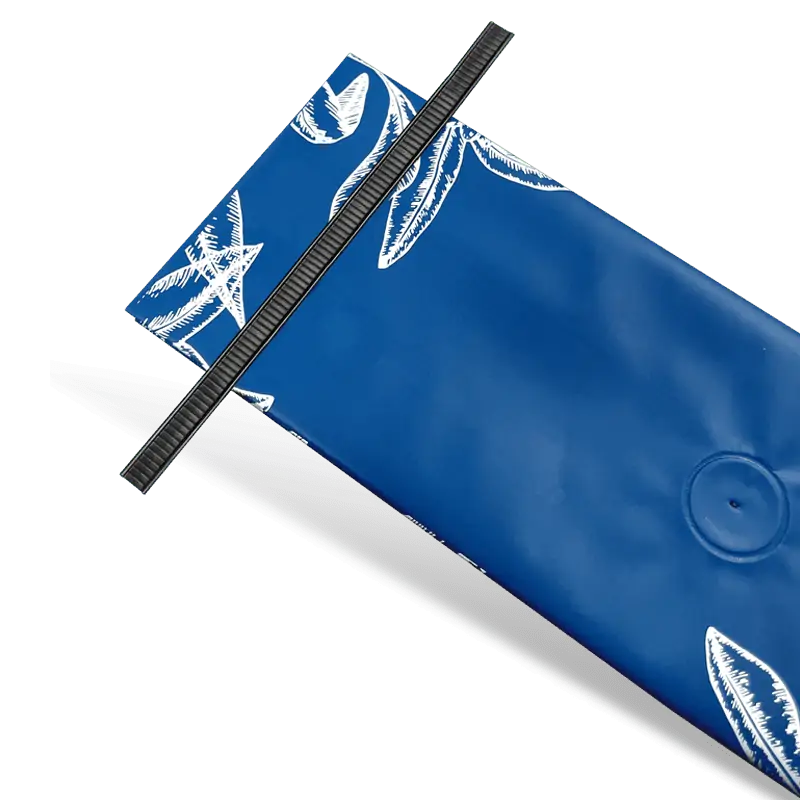
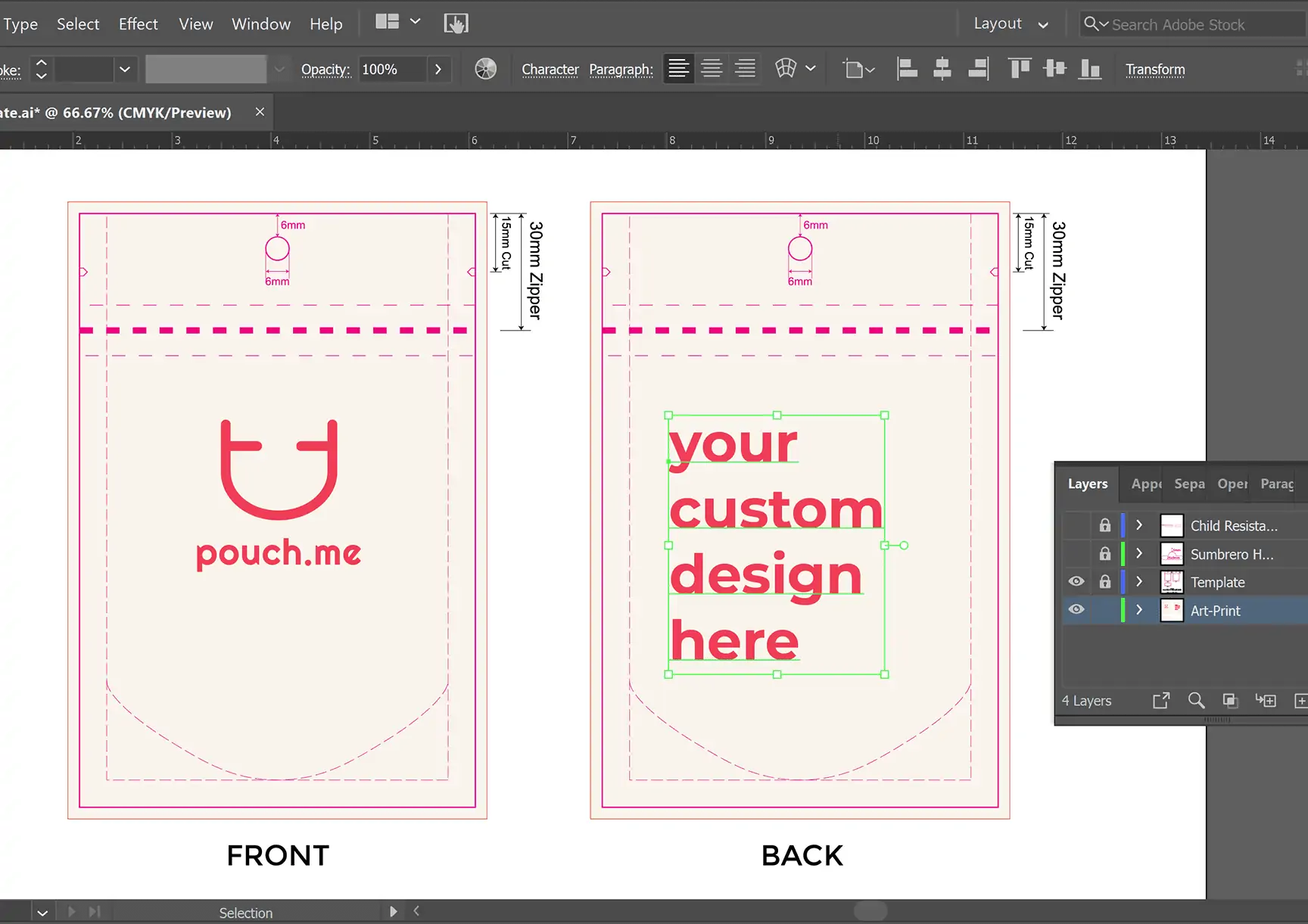



| Dimensions | Pouch Spec | Zipper | Weight / Remarks |
|---|---|---|---|
| 2×3 | Flat Pouch With Zipper | Standard Zipper | Dime Bags |
| 3.75×4 | Flat Pouch | Child Resistant Zipper | 1g |
| 3.5×4.5 | Flat Pouch | None | 3 g / 1/8 oz |
| 3.5x6x2 | Stand Up Pouch | Child Resistant Zippe | 3 g / 1/8 oz |
| 4x6x2.5 | Stand Up Pouch | Standard Zipper | 7g / 1/4 oz |
| 4×7.25×2 | Stand Up Pouch | Child Resistant Zipper | 7g / 1/4 oz |
| 5×8.5×3 | Stand Up Pouch | Standard Zipper | 14g / 1/2oz |
| 5x8x2.5 | Stand Up Pouch | Child Resistant Zipper | 14g / 1/2oz |
| 6×9.5×3.5 | Stand Up Pouch | Standard Zipper | 28g /1oz |
| 6x10x2.5 | Stand Up Pouch | Child Resistant Zipper | 28g / 1oz |
| 12x9x4 | Stand Up Pouch | Child Resistant Zipper | Exit Bag |
| 12×19.5×4.5 | Stand Up Pouch | Standard Zipper | 1 pound - Tall pouch |
| 14x17x6.5 | Stand Up Pouch | Standard Zipper | 1 pound - Wide pouch |
What brands ask us before their first frozen food run: minimums, barrier, sealing and what actually keeps the product the way you made it.
Yes, when we know that is where they are going. Cold changes how a film behaves, so a bag built for a shelf is not automatically right for a freezer. Tick "I freeze or chill this product" on the quote form, or tell us, and we spec a cold-rated sealant for your build. Our production team confirms the exact structure on the quote, including whether it needs a nylon layer. We do not publish a temperature rating. If your distributor needs one, ask us when you quote. Either way the cold build is settled before anything prints, not discovered in a customer's freezer.
Freezer burn is food drying out and oxidizing where air reaches it. Two things stop it: a film that keeps moisture and air out, and as little air inside the pack as you can manage. A metallized structure is our standard opaque choice, because it does both well and blocks light too. For a recyclable pack, plain mono-PE is the route for frozen food, with our team confirming the cold build. The EVOH layer we add for barrier elsewhere does not suit cold or damp product. A conventional laminate is several plastics bonded together and is not recyclable. Get both right and the food a customer opens looks like the photo on the bag.
Yes, and a lot of frozen brands ask for exactly that. A fully clear bag for frozen food needs a clear structure built for the cold, usually with a nylon layer, and our team confirms the exact film on the quote. The other route is a window on a metallized bag, so the product shows while the rest of the bag keeps its full barrier. That build needs a larger run, quoted per job. The window area carries less barrier than the rest, so keep it to the size that sells the product. You get the freezer-aisle view without giving up protection across the whole pack.
Yes. Vacuum pulls the film tight over whatever is inside, and frozen food is hard, with corners and edges that press into the film. For vacuum packs we add a nylon layer so the bag does not puncture or flex-crack. Tick "I vacuum seal the bag" on the quote form, or mention it, and it goes into the build. A single pinhole lets air back in, and air is what freezer burn needs. Specifying it up front is what keeps a vacuum pack tight from your line to the freezer case.
The bags arrive made up and empty, with the top open for you or your co-packer to fill and heat-seal. The heat seal is what makes the pack airtight. A zipper does not seal. It lets your customer close the bag again at home, which is worth having on anything used over several meals, like cookie dough or dumplings. On a zipper bag the top is sealed above the zipper and torn off on first open. Keep the seal area clean and dry when you fill, because a seal made over frost or crumbs can leak, and a leak is where freezer burn starts.
It depends on whether the food goes in as pieces or as a bagful. For pieces like cookie dough pucks, dumplings or empanadas, give us one piece's size and how many go in each bag. Frozen pieces are rigid, so they stack by their shape rather than settling to fit the bag. For a bagful of something loose, like vegetables or fruit, the product and the weight per bag are enough. Soups and sauces are different again, so tell us if it goes in as a liquid. Sized properly, the food fits without forcing and there is no big pocket of air to frost up.
One hundred per design for stand-up, flat and pillow pouches. Side gusset, quad seal and flat bottom bags start at 500 per design. The minimum follows the bag format and counts per design, so a frozen line with three flavors in stand-up pouches starts at 300 bags, 100 of each. That suits a kitchen testing a new product in the freezer case without holding thousands of printed bags for a slow seller. Very large runs printed by gravure have their own minimums, which depend on the bag size, and we quote those per job.
No, and the difference changes the bag. Frozen food stays cold from packing to cooking, so the question is how the film and the seal behave in the cold. Freeze-dried food is sold at room temperature and is so dry that it pulls moisture out of the air, so that bag's job is keeping water out. Both get searched as freezer bags, but they need different builds. If your product is freeze-dried, our freeze-dried food bag page covers what it needs. If it goes in a freezer, you are in the right place.