Products
Choose Your Custom Pouch
who we are
Resources
My cart





Bag size is decided by volume, not weight, so two products of the same weight often need very different pouches.
Whole beans and ground coffee of the same weight do not fill the same bag, and the grind changes it again. Roasted coffee also off-gasses, so the pack needs room to move and a valve to let the CO2 out. Aim to fill roughly 70 to 90 percent of capacity: any lower and the pouch looks half empty on shelf, any higher and it will not seal cleanly.
Takes about a minute. Not sure of the fill weight? Put one bag's worth in a ziplock and weigh it.
What brands ask us before their first coffee run: minimums, barrier, sealing and what actually keeps the product the way you made it.
That is a one-way degassing valve. Coffee keeps releasing carbon dioxide for days after it comes off the roaster, and in a sealed bag that gas has nowhere to go. The bag balloons and can split a seal. The valve vents the CO₂ outward and shuts again, so air never gets back in. What that buys you is simple: you can bag coffee the day you roast it, ship it without split packs, and your customer opens a bag that still smells like the roastery.
If the coffee has fully degassed before it goes in the bag, the valve is doing nothing and dropping it takes cost straight out of every unit. Most roasters pack within a few days of roast, though, which is exactly when CO₂ output is highest, and that is where the valve earns its place. One thing either way: a valve only works on a barrier film. On a plain clear bag oxygen comes through the film itself, so you pay for a valve and still get stale coffee.
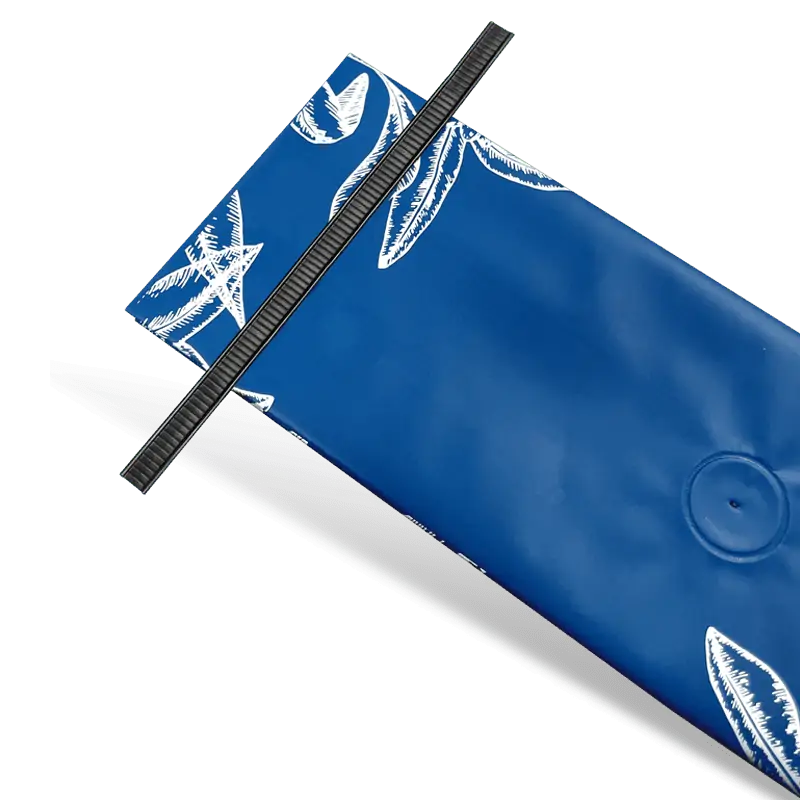
Side gusset is the traditional coffee bag, usually closed with a tin tie. Flat bottom gives the squarest shelf presence, and flat bottom and quad seal bags can take a tin tie as well. Stand-up pouches sit in the middle and usually close with a zipper. The minimum follows the format, not the product. Stand-up, flat and pillow pouches start at 100 per design, and side gusset, quad seal and flat bottom start at 500 per design. That means you can put a new single origin on shelf at 100 units, see whether it sells, and scale into the bigger format once it does.
No, but it needs a barrier layer. Our standard is a metallized structure, very good on both moisture and oxygen, and it blocks nearly all light. Solid aluminum foil is the step up: a total light block and the strongest barrier we build. Kraft is the same decision behind a paper face, since the liner does the protecting rather than the paper. Choose by where the coffee ends up. Metallized covers normal retail, and foil is what you want when a bag sits in a hot warehouse or crosses an ocean first.
Weight alone will not settle it, because roast and grind both change how much room 12 oz takes. Beans leave gaps between them, a fresh grind is fluffy, and a dark roast takes more room than a light one at the same weight. That is why we size coffee from our own coffee size table rather than from weight alone. We also leave room at the top instead of filling to the brim, because fresh coffee is still releasing gas. That stops the two expensive mistakes: a bag that will not close on the line, and one that looks half empty next to a competitor. Send the weight, roast and grind, or run it through our bag sizing tool.
Foil will not, because it is a solid metal layer and the detector reads it every time. Metallized film is usually described as too thin to trigger one, but we have seen it stop a customer's line, so we treat it as a risk rather than a safe bet. Tell us before we quote if your filler runs inline detection: the clear barrier films contain no metal and pass. Catching that at quote stage rather than on delivery day is the difference between a run you can fill and a pallet you cannot.
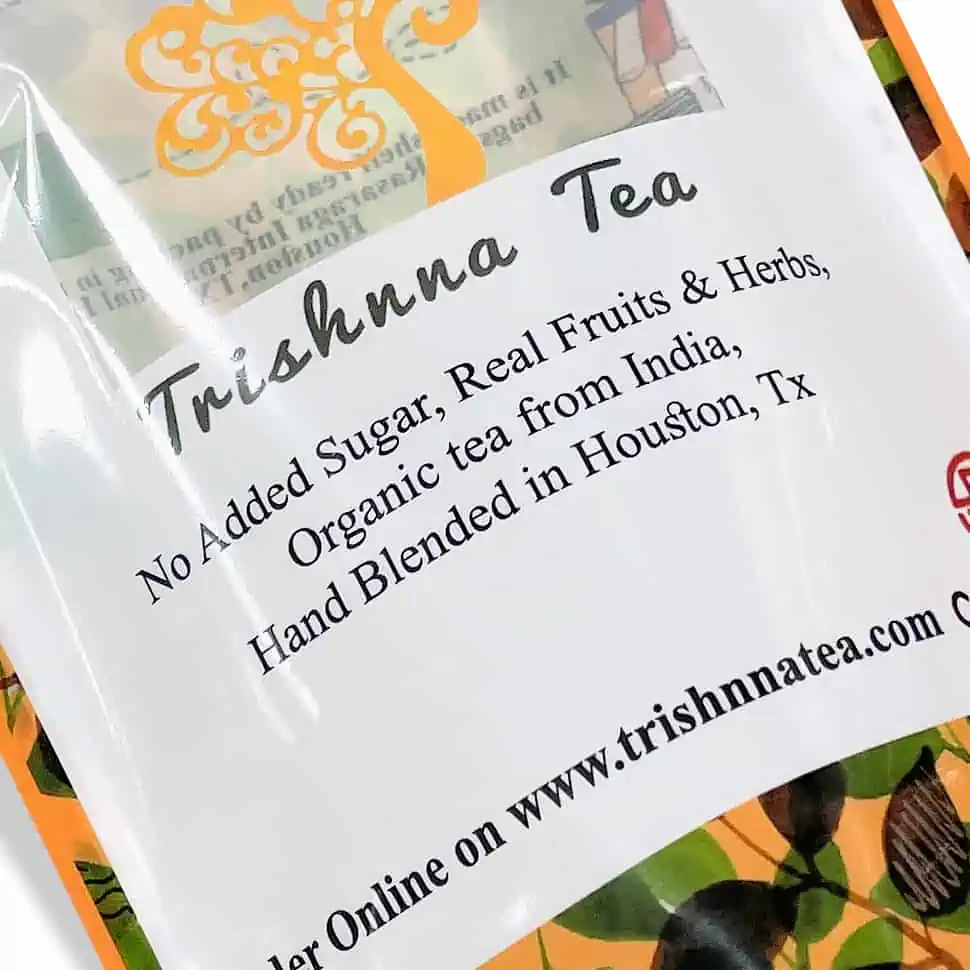
You can, and it is worth knowing the cost. A window carries less barrier than the rest of the bag, and the coffee behind it takes the full light dose however good the surrounding film is. Coffee is light-sensitive, so on anything sitting months under shelf lighting we would rather show the beans with print and keep the bag opaque. You get the same shelf appeal without the bag closest to the light being the one that tastes flat. If you want the window anyway, keep it small and we will quote it.
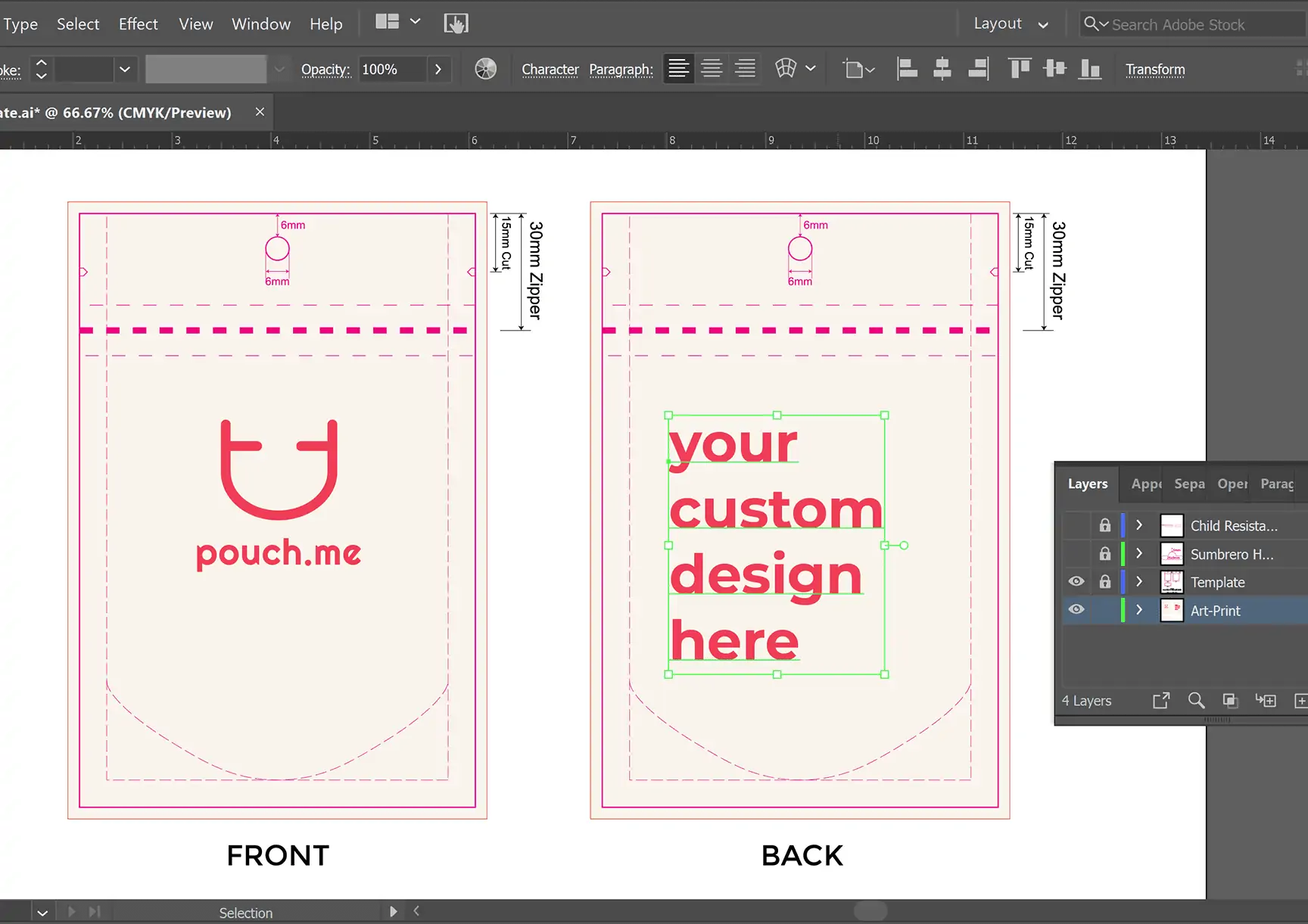
No. Design, prepress and shipping are free, and digital printing carries no plate fee, so a second or third blend costs nothing extra to set up. Send whatever you have: an Illustrator file, a PDF, a Canva export, even a logo and a rough idea. Our team builds the print-ready artwork onto the dieline for your bag size, and you approve a proof before anything goes on press. The money goes into coffee and bags rather than into artwork fees.