Products
Choose Your Custom Pouch
who we are
Resources
My cart








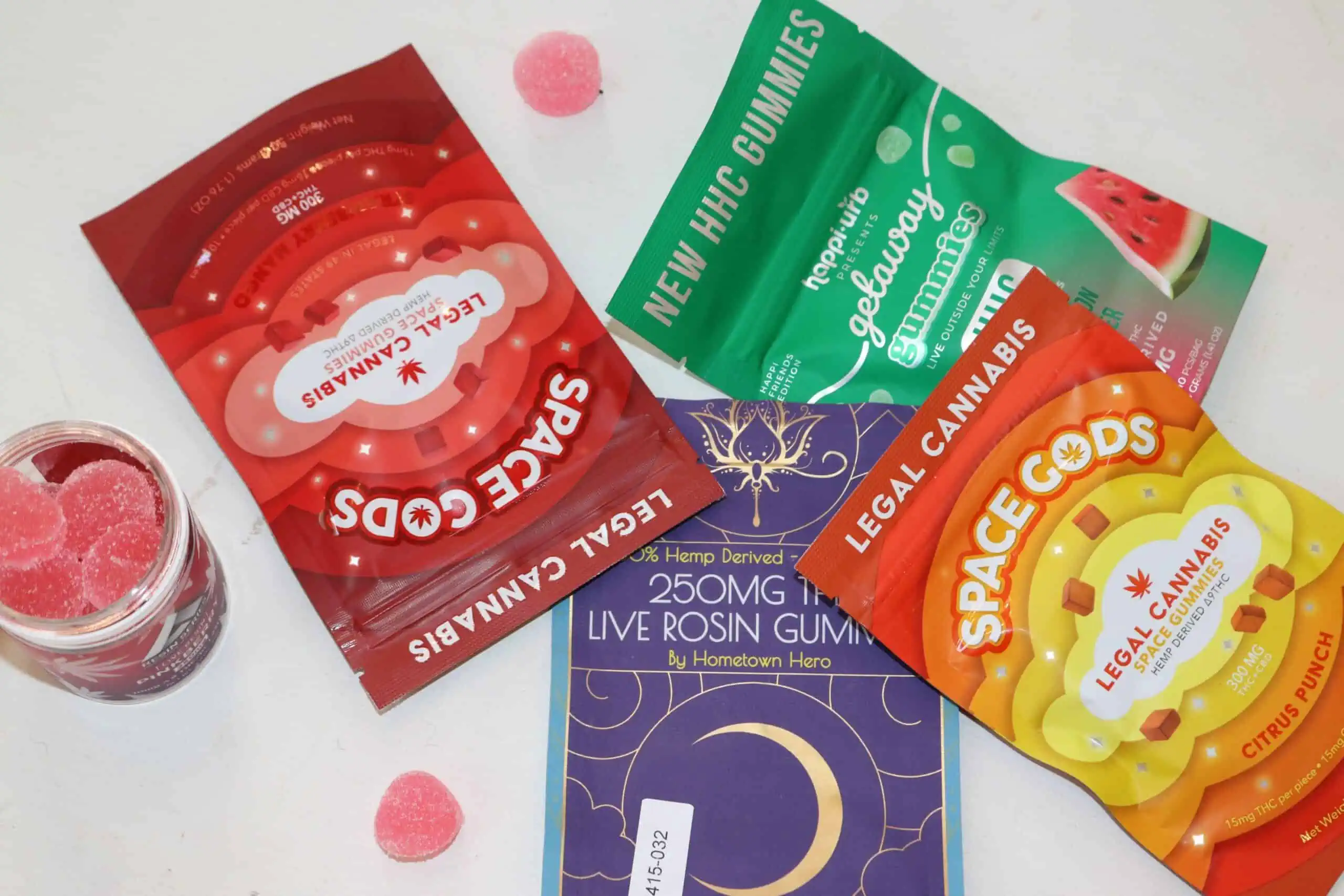

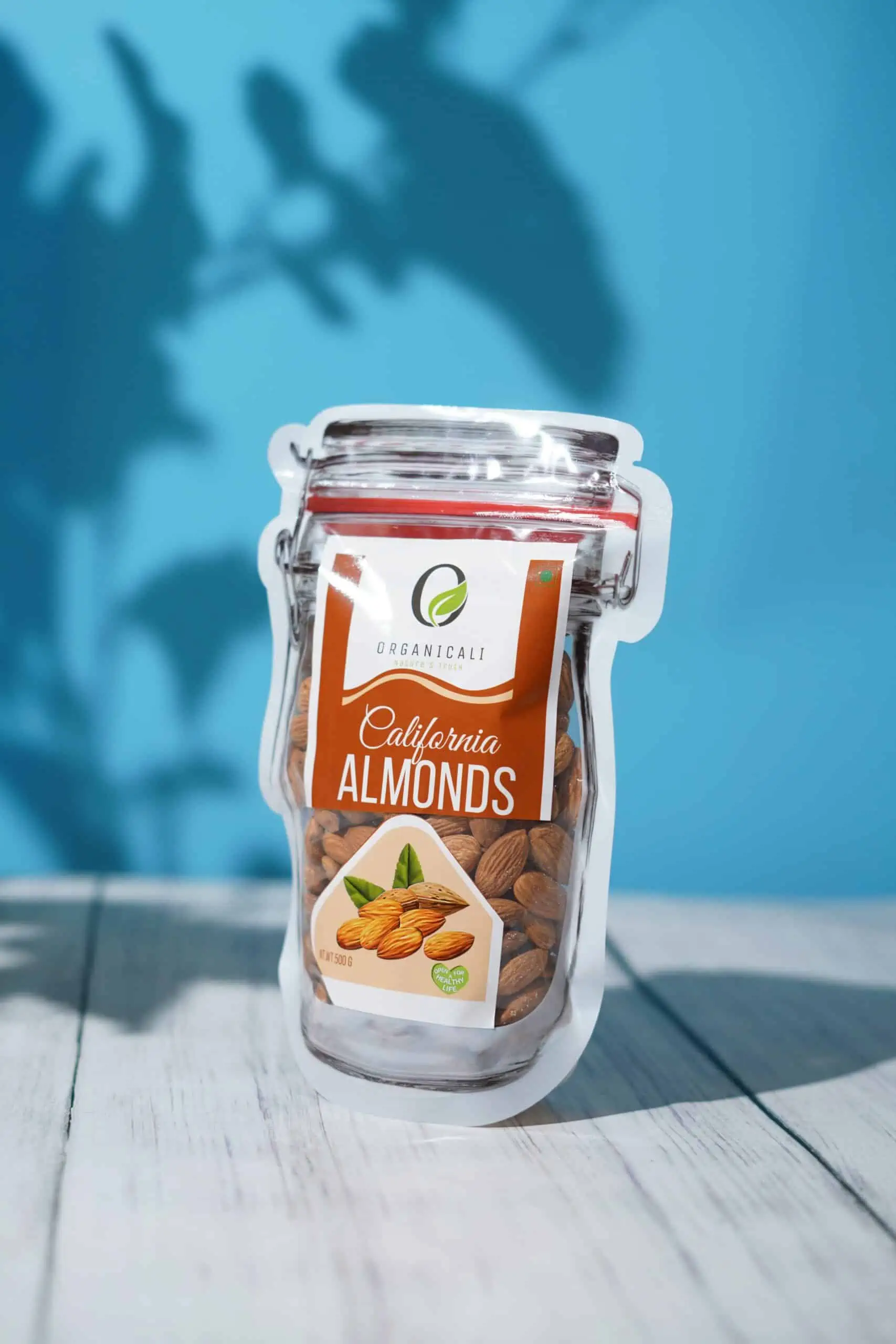
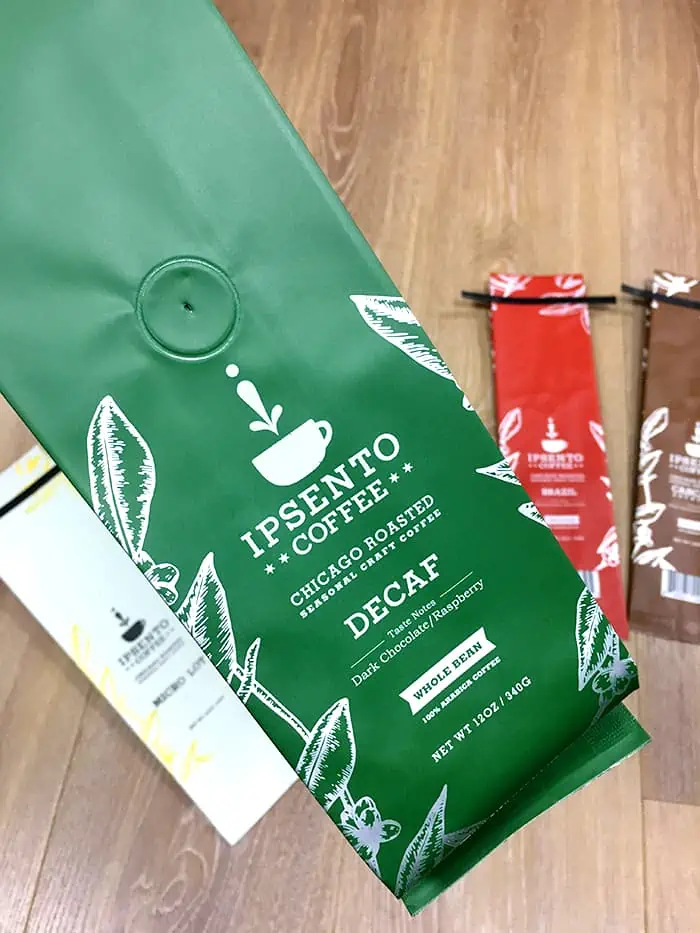
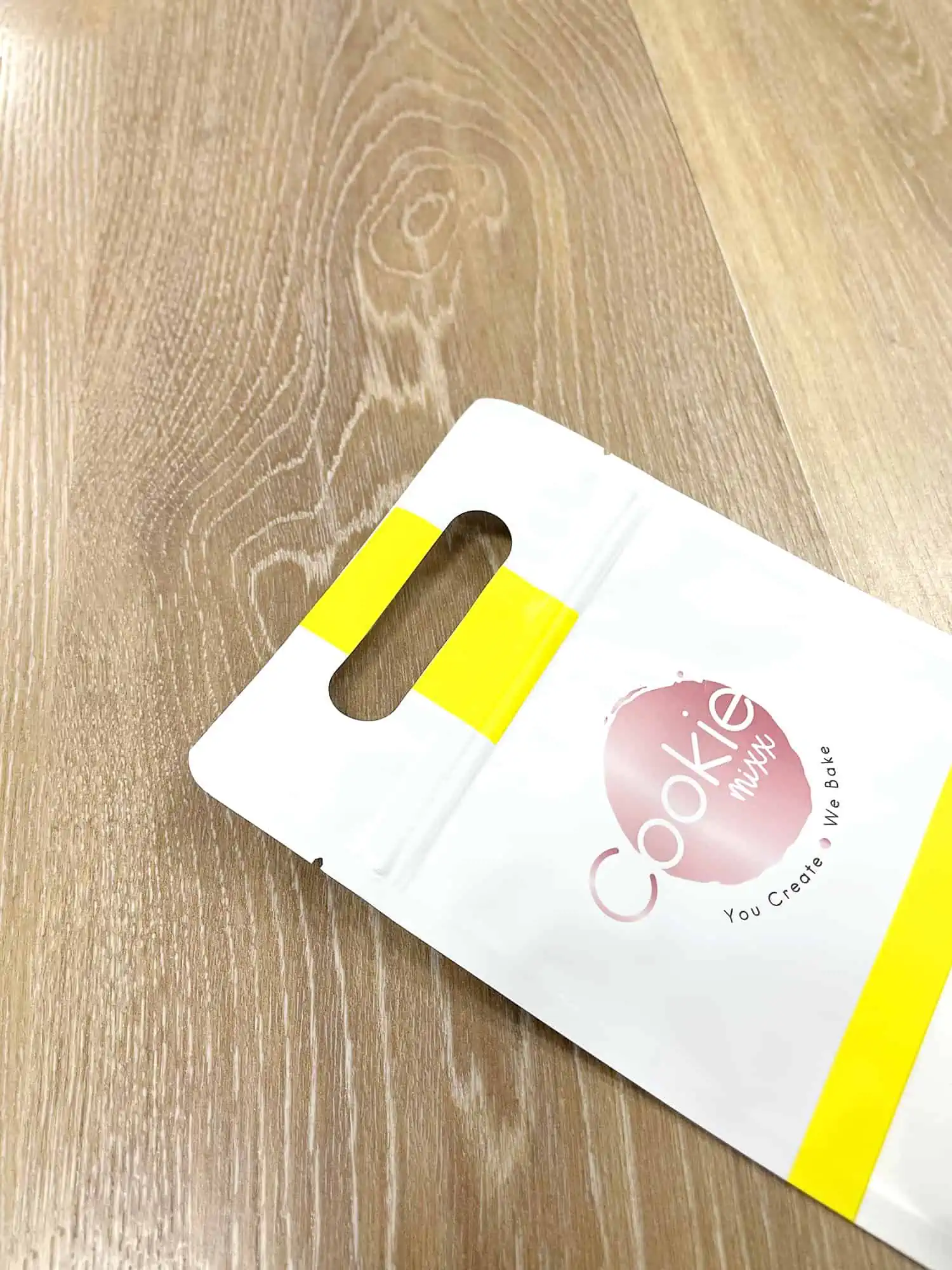

Bag size is decided by volume, not weight, so two products of the same weight often need very different bags.
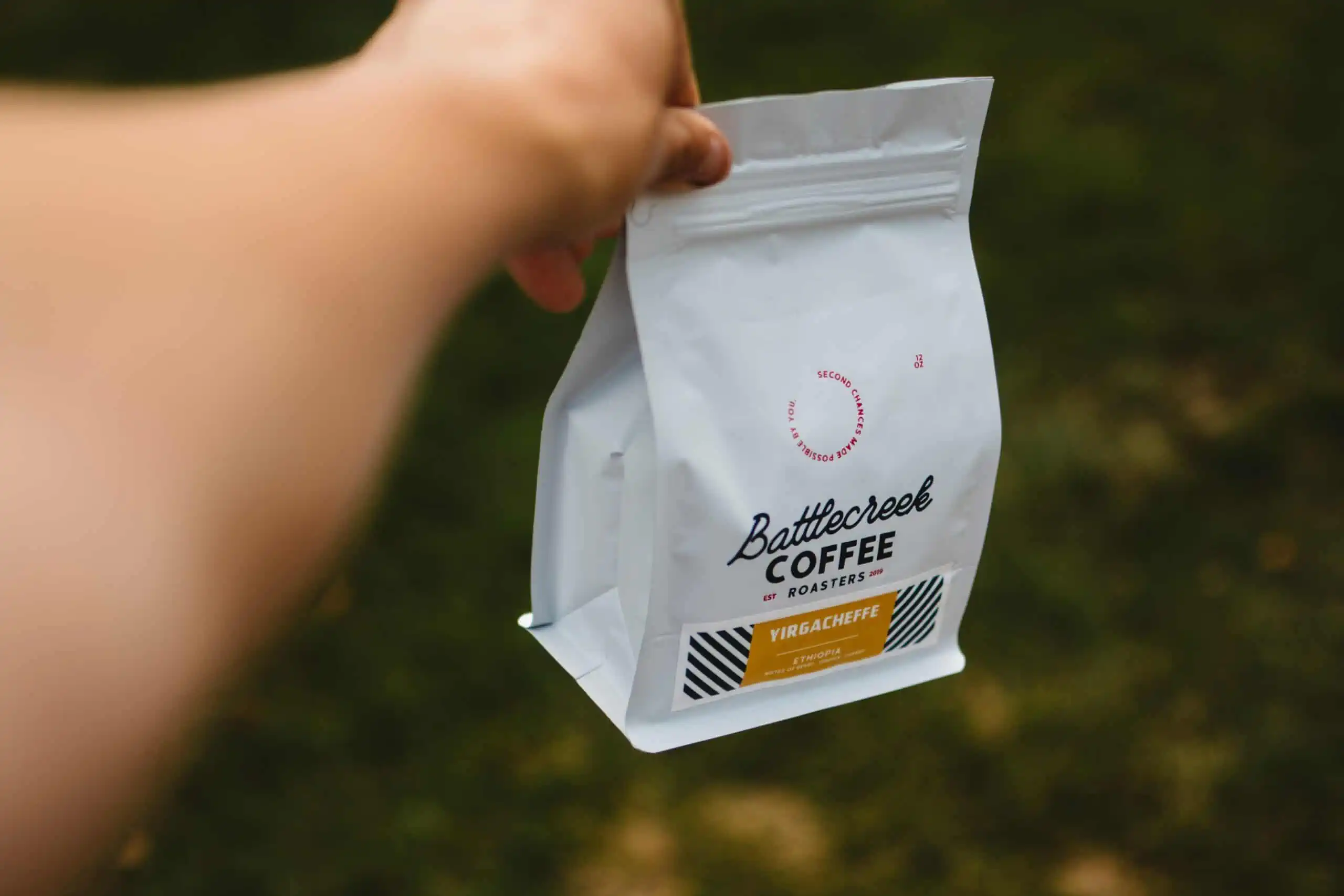
A side gusset bag is a tube with folded sides and no side seams, which is why the sides expand as you fill it. It is the classic coffee roastery shape and takes a tin tie or a valve rather than a zipper. Aim to fill roughly 70 to 90 percent of capacity: any lower and the bag looks half empty on shelf, any higher and it will not seal cleanly.
Takes about a minute. Not sure of the fill weight? Put one bag's worth in a ziplock and weigh it.
What brands ask before choosing a side gusset bag: what it can take, how it compares, and what it costs to start.
A tube of film with a pleat folded into each side. Empty it lies completely flat, so it ships and stores cheaply. Filled, the pleats open outward and the bag gains roughly twice the gusset depth in width, so a 3 inch pleat each side adds a lot of volume without widening the footprint on shelf. There are no side seams, only a back seal and the two folds, and the front and back are the print panels. It is the classic roastery coffee bag, and it is the cheapest way we build to get real volume into a flat packed bag.
No. There are no side seams to anchor a zipper track into, so this is the one format we build where a press to close zipper is not an option at all. The closures that do work are a tin tie, which around 89% of our side gusset orders carry, or a plain heat seal for a single use pack. If the bag has to reclose with a zipper, a stand-up pouch or a flat pouch takes one from 100 units and a flat bottom or quad seal takes one from 500. Better to know now than after the proof.
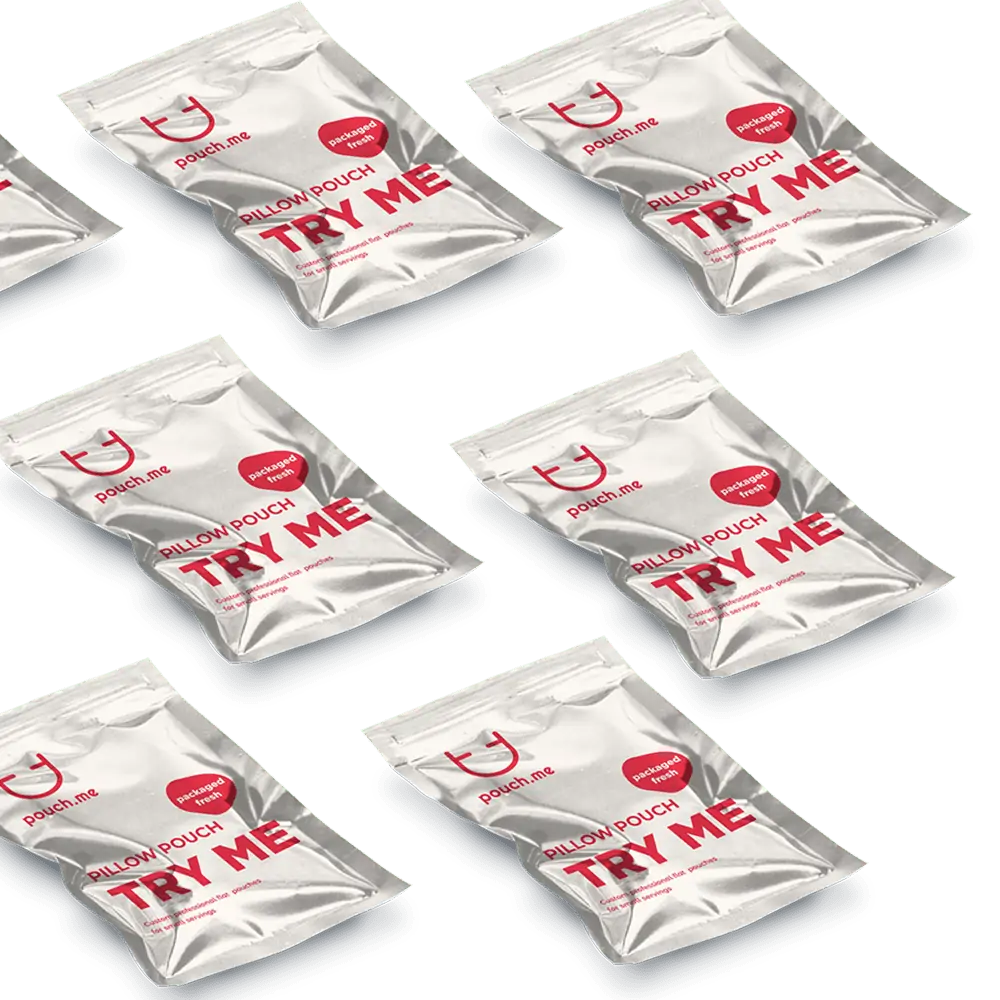
Five hundred per design on digital print. The gusset folds add converting steps, and the minimum follows the construction. Pillow, flat and stand-up pouches start at 100 per design if 500 is more than a first run warrants, though none of them gives you this fold flat shape. Gravure, for long runs, has a higher minimum that depends on bag size, and we quote it per job. It counts per design, not per order, so three single origins is three lots of 500. We print the bag to your artwork. It is a production run for your brand, not a stock bag with a sticker on it.
It is. Tin tie, degassing valve, kraft or metallized film: that combination is the artisan roastery standard and it is what most of our side gusset bags are. Around 85% carry a valve. The valve is what lets you bag coffee the day it is roasted, venting carbon dioxide out while keeping oxygen from coming back in, and it only works behind a barrier film. On a clear structure the oxygen passes straight through the wall and the valve achieves nothing, so a valve decides your material before shelf life does.
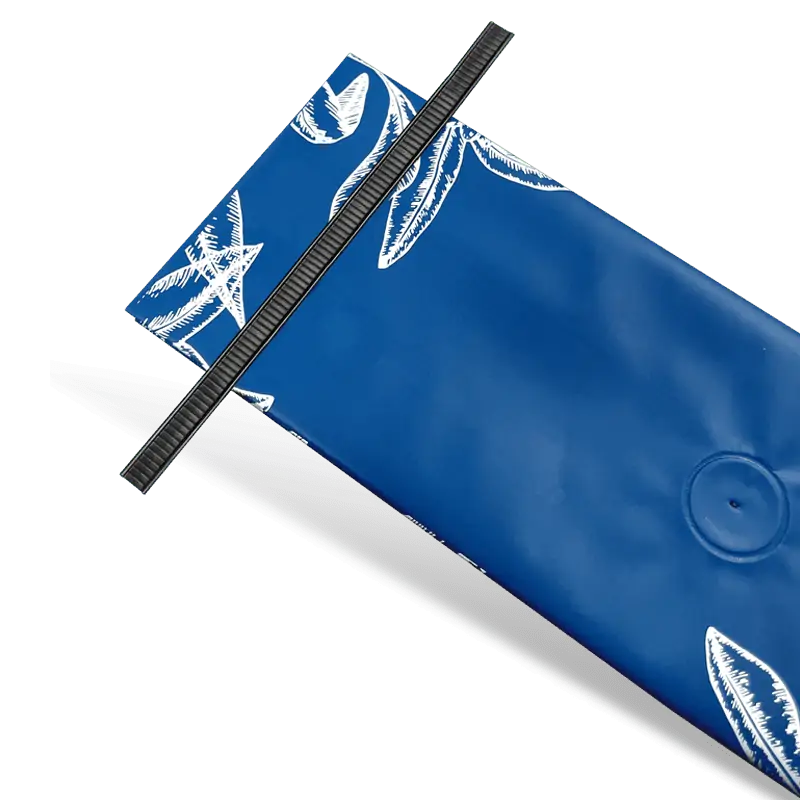
It is a flat wire strip bonded along the top of the bag. Your customer tears or cuts the top, rolls it down and folds the tie over, and it holds the roll closed. It is genuinely reusable and it looks right on a coffee bag, but be clear on what it does. A folded tin tie is not airtight. Unopened shelf life comes from the barrier film and the factory seal across the top. The tin tie is what keeps the bag tidy and the aroma in over the two weeks it takes a household to drink it.
No, although coffee is what most people arrive for. It is essentially a pillow pouch with volume added at the sides, which makes it good for anything bulky and loose: snacks and share packs, bakery, loose leaf tea, pet treats, grains and pulses. It handles irregular shaped product particularly well, because the pleats take up shape that a flat bag fights. The one caveat is the same whatever goes in it: no zipper. If the pack has to reclose properly, ask us to quote a stand-up pouch alongside it and compare.
Two different answers. Mixed materials, no. The bag is wrapped from a single web, so both faces are always the same film, and you cannot run kraft on the front with foil on the back. If that is what you want, a flat pouch or a stand-up pouch does it from 100 per design. A window is possible, but it is rare on this format, so we quote it case by case. Tell us the film and the window shape when you ask for a price. On coffee, keep it small, because the beans behind it take the full light.
Tell us the product and the fill weight and we size it, because volume drives the bag and weight on its own never does. A 12 ounce coffee bag is commonly around 6 by 10 inches with a 3 inch gusset, and the usual range runs from about 5 by 8 by 2.5 for a sample up to 8 by 12 by 4 for bulk. Two things are particular to this shape: there are no side seams, so you keep the full stated width, and the top seal takes a fixed 15 mm off the height whether you reclose the bag or not.