Products
Choose Your Custom Pouch
who we are
Resources
My cart


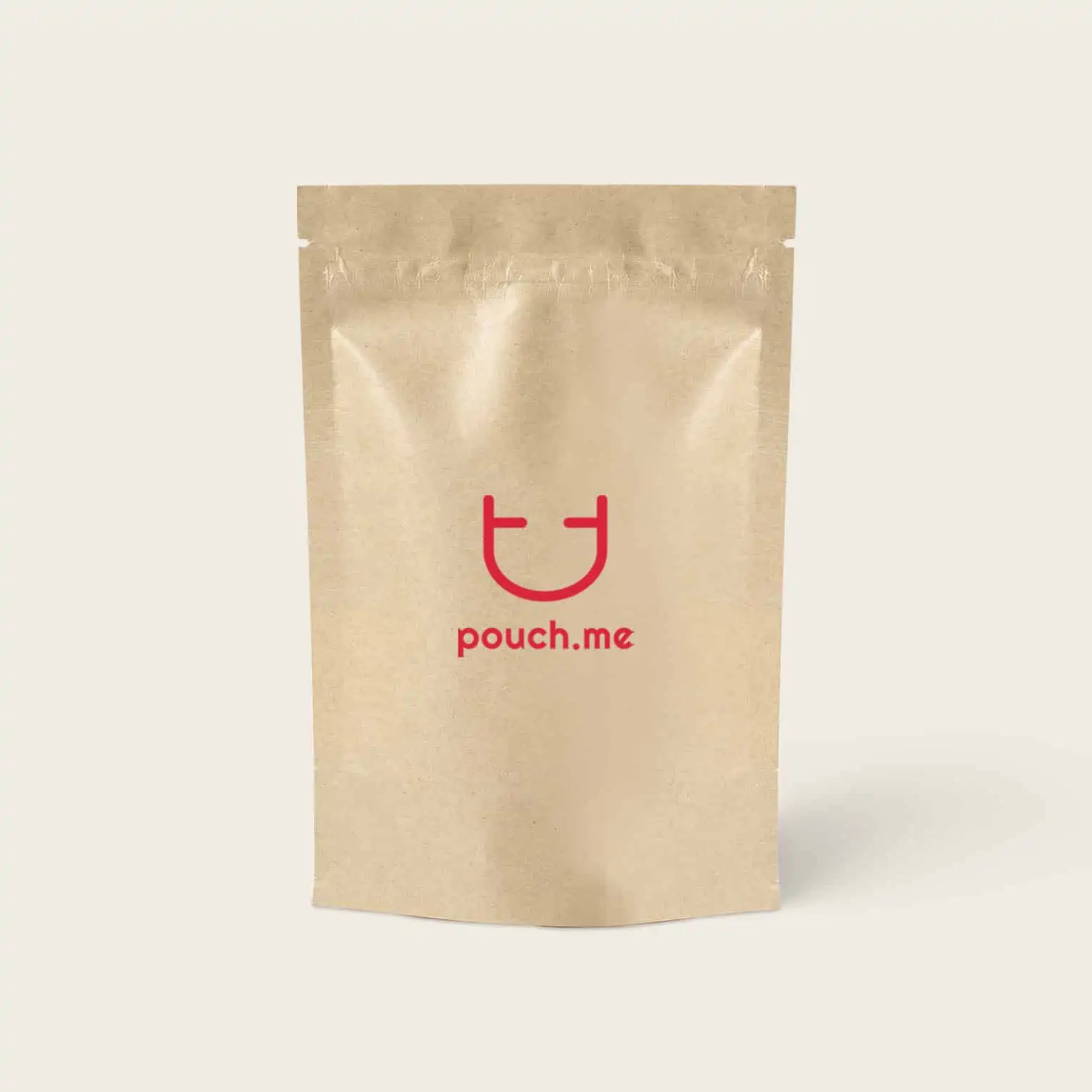
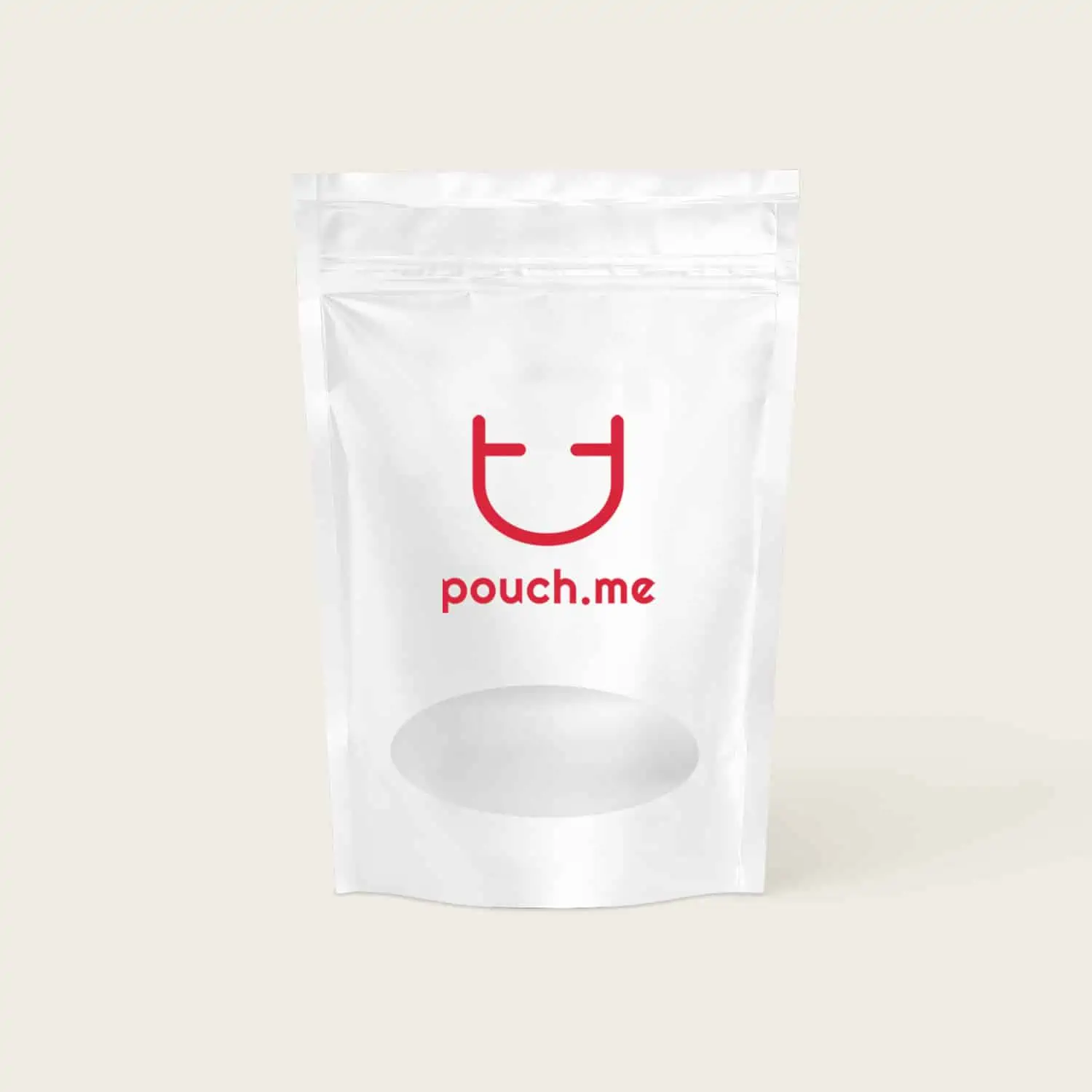
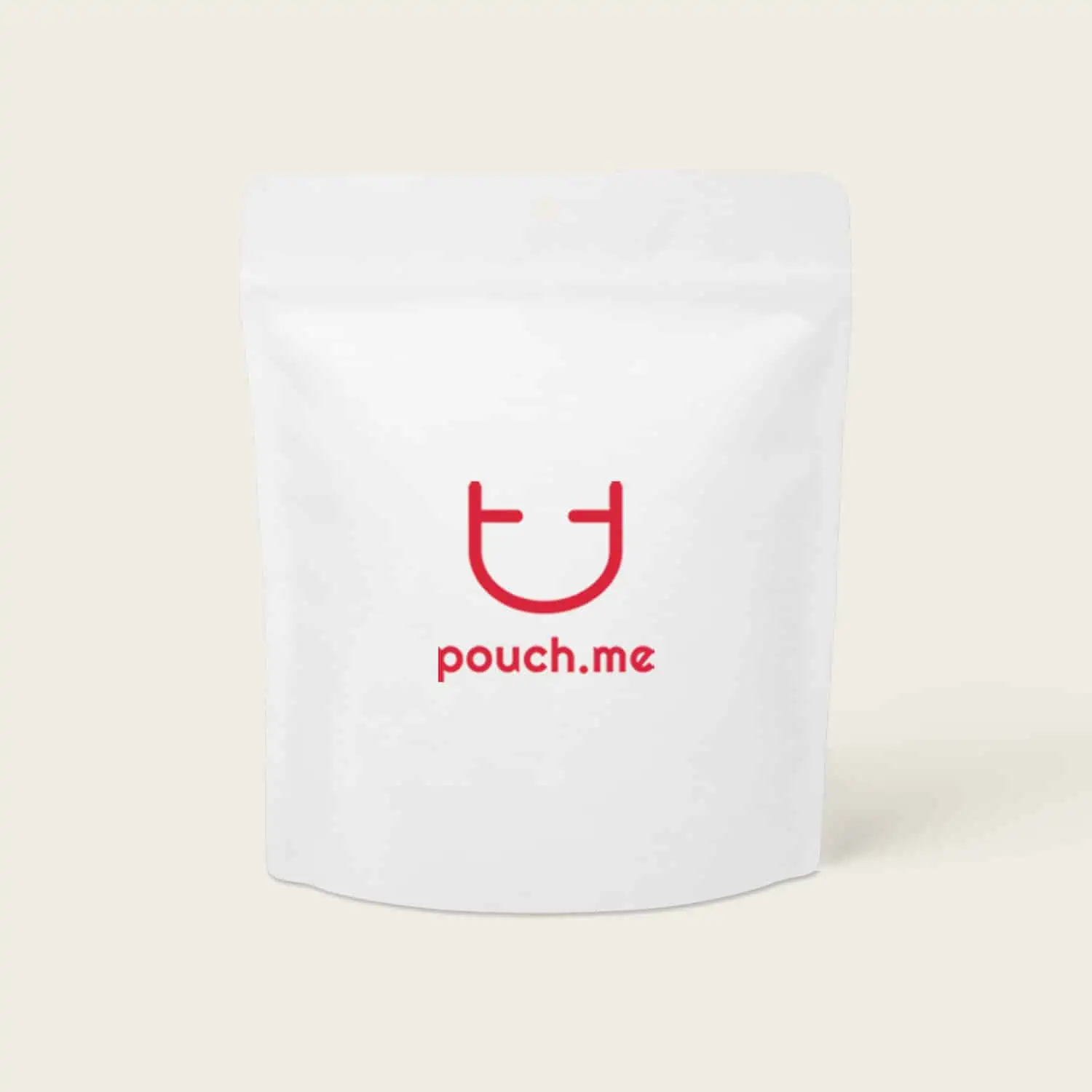
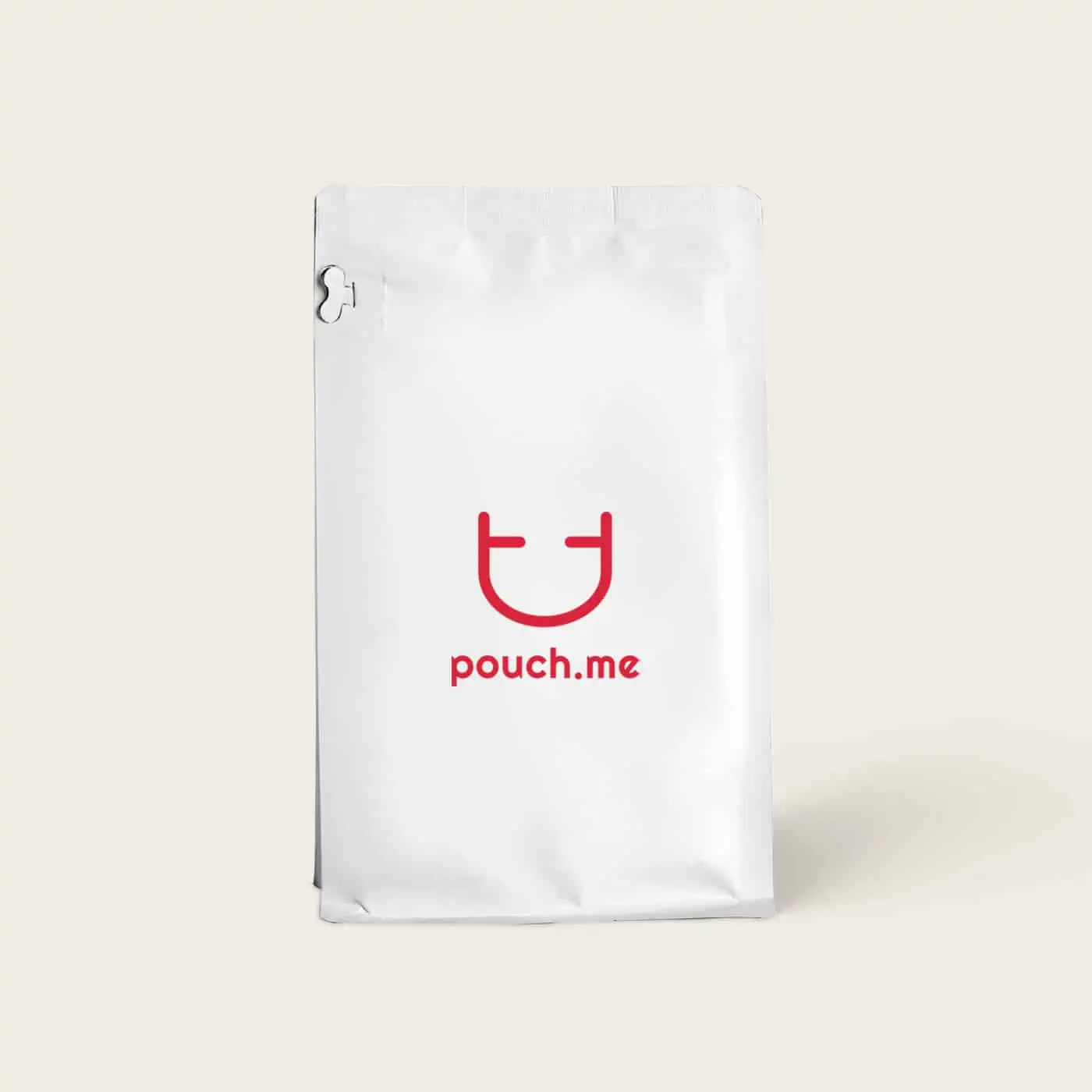




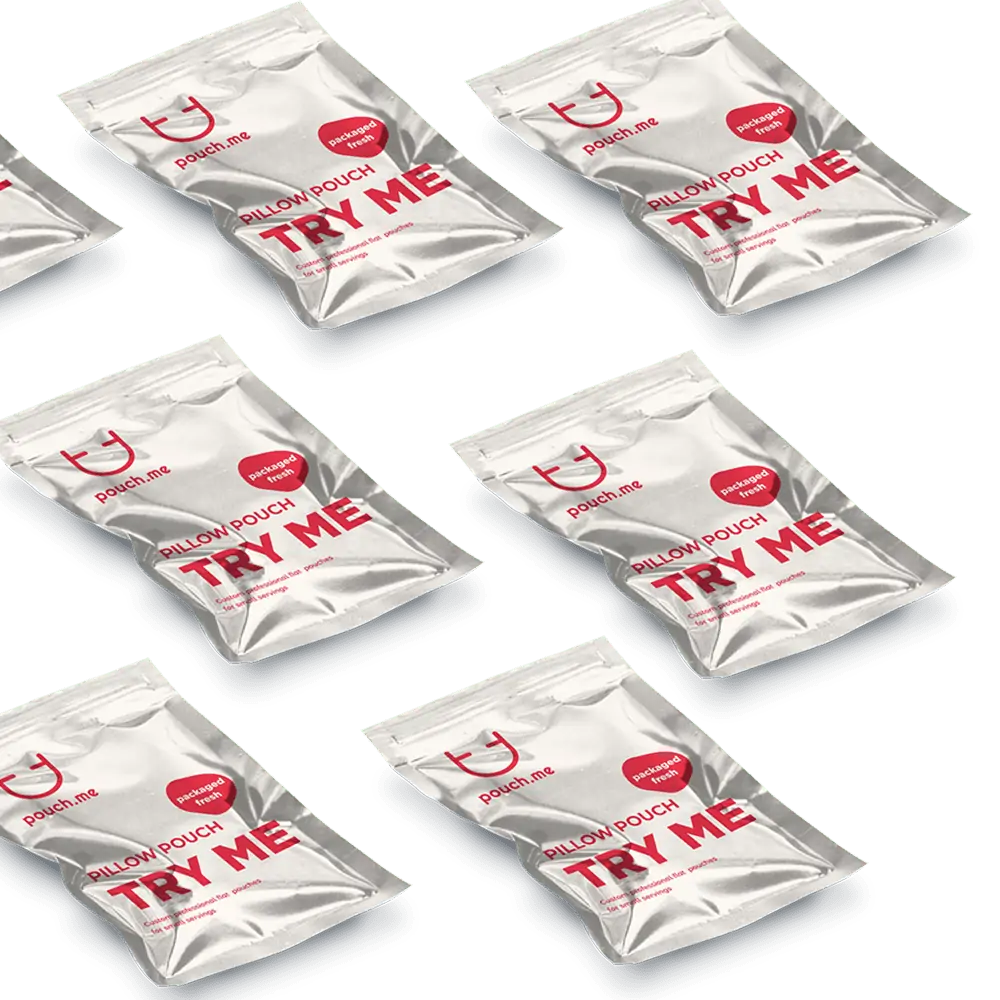
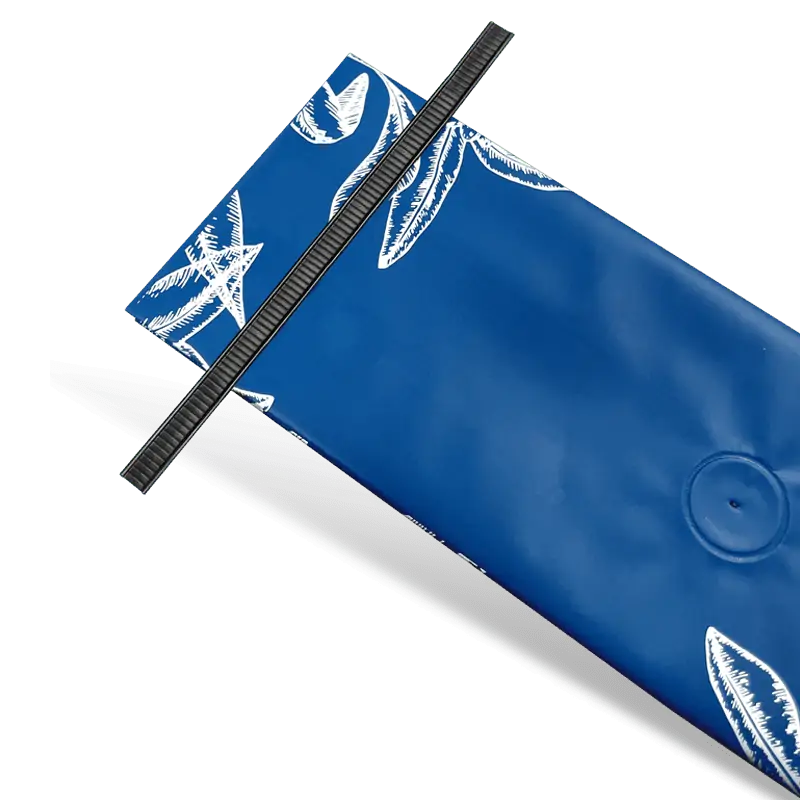
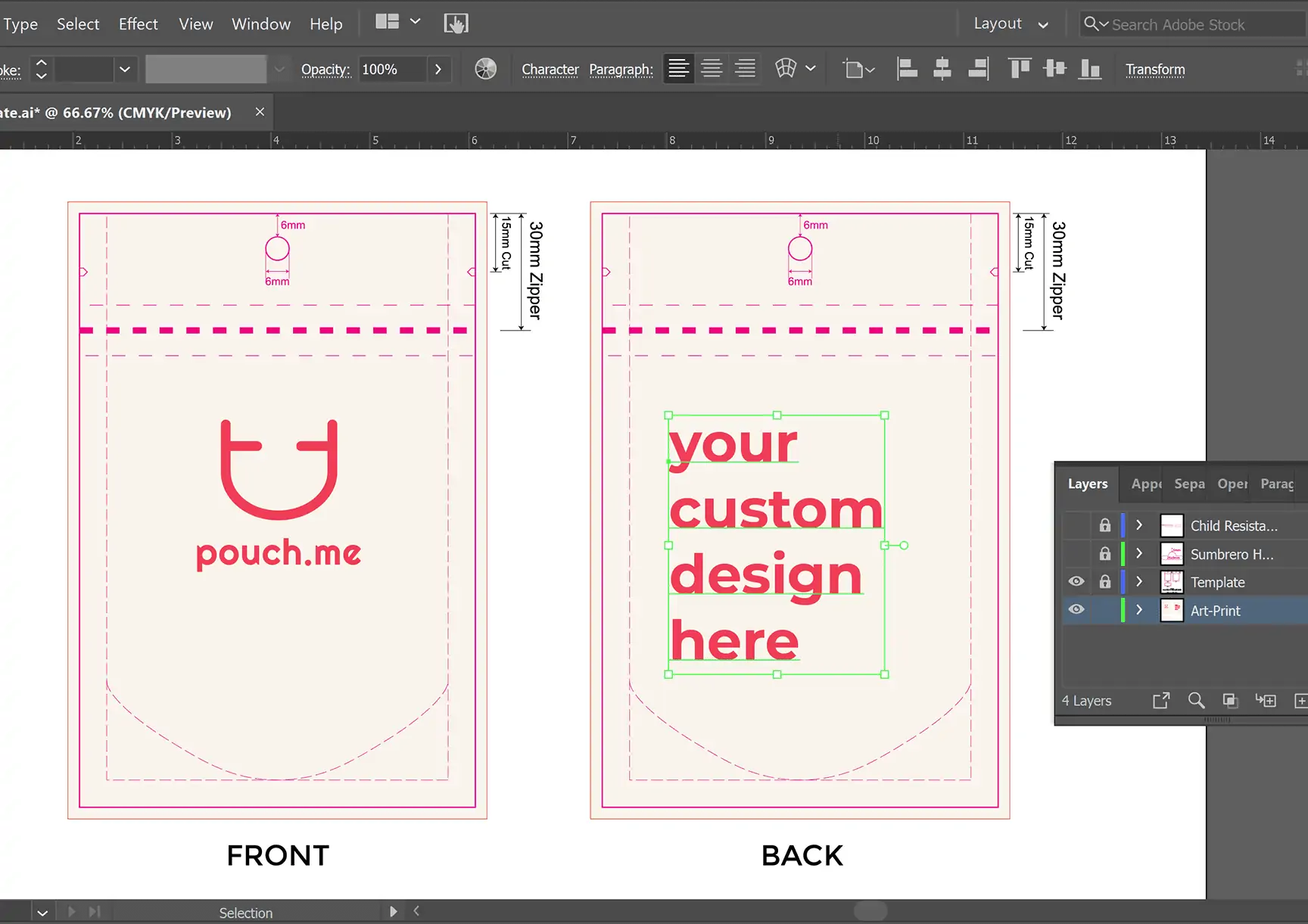




Bag size is decided by volume, not weight, so two products of the same weight often need very different pouches.
Ground spices are dense and sit low in the bag; whole spices and dried herbs are far bulkier for the same weight. Which one you are packing changes the size more than the weight does. Aim to fill roughly 70 to 90 percent of capacity: any lower and the pouch looks half empty on shelf, any higher and it will not seal cleanly.
Takes about a minute. Not sure of the fill weight? Put one bag's worth in a ziplock and weigh it.
What brands ask us before their first spice run: minimums, barrier, sealing and what actually keeps the product the way you made it.
One hundred per design for stand-up, flat and pillow pouches, which covers nearly all retail spice packaging. Side gusset, quad seal and flat bottom bags start at 500 per design. Because it counts per design, a range of twelve blends is twelve lots of 100 rather than one run divided up, and with digital printing there is no plate fee for the extra eleven artworks. That is what lets a spice brand carry a full wall of blends in real printed bags instead of one bag with twelve labels.
For most spices, yes. Paprika, turmeric and chili visibly fade under light, and the same light drives off the volatile oils that carry the aroma, which is the thing your customer is paying for. A metallized structure blocks nearly all light and holds aroma well, foil blocks it completely, and clear blocks none. If you want the color of the spice to show, a printed photograph survives store lighting far better than a window, and the jar still smells right when they open it six weeks later.
That is the barrier layer's job. A metallized or foil structure holds volatiles in and keeps other smells out, which matters when your blends sit next to each other in a warehouse or a customer's cupboard. A plain clear film does not hold aroma at any thickness. The closure matters too: the pack is airtight because the top is heat-sealed, and a zipper reseals it afterwards. Get both right and the blend tastes like your recipe rather than like whatever it was stored beside.
Small, but not unlimited. Below roughly 3 inches on a side we start to see production problems. Seals, print registration and the zipper track all get difficult at that scale, so we will flag it rather than quote it blind and let you find out on delivery. Spices are dense and fill to around 75 to 90%, so a small bag holds more than people expect. Send the fill weight and we will tell you the smallest size that runs cleanly and still looks full on a shelf.
For a retail blend, usually yes. A spice bag gets opened dozens of times over months, which is nothing like a snack finished in one sitting, and the zipper is what keeps your pack in the cupboard rather than the contents tipped into a jar. Be precise about what it does: it reseals, it does not seal. The airtight part is the heat seal across the top, which your customer tears off the first time they open the bag. For a single-recipe sachet or a sample, skip it and take the cost out.
A standard zipper can, yes. Ground spice packs into the zipper a little more with every open, until the two halves stop meeting cleanly and your customer is left with a bag that will not close. The answer is our fine-powder zipper, made to keep closing when powder gets into it. We offer it on flat pouches and on stand-up pouches. It is the difference between a bag a cook keeps using and one they decant into a jar in week two.
Kraft, brown or white, with a metallized liner behind the paper. Paper on its own is no barrier at all: the liner does the protecting and the paper does the positioning, so you get the artisan look on shelf without giving up aroma or color. That matters because the brands most drawn to kraft are usually selling on flavor and provenance. There is a clear-liner kraft as well, but it is only used where the bag has a window cut into it.
Foil will not, because it is a solid metal layer. Metallized film is usually described as too thin to trigger one, but we have seen it stop a customer's line, so we would not call it safe. If you are filled and sealed by a co-packer, ask whether they run inline detection and tell us before the quote. If they do, the clear barrier films are the ones that run, and knowing that now is cheaper than a pallet of bags their line rejects.
The layer against the spice is food-grade polyethylene or cast polypropylene, and the print sits on the outside of the laminate with barrier layers between it and the product. Certificates of Analysis, food contact declarations and safety data sheets are available on request. Ask for them with the quote and they arrive with the order. That is what clears a retail buyer's vendor qualification in one pass, rather than stalling a listing while paperwork gets chased after the fact.