Products
Choose Your Custom Pouch
who we are
Resources
My cart




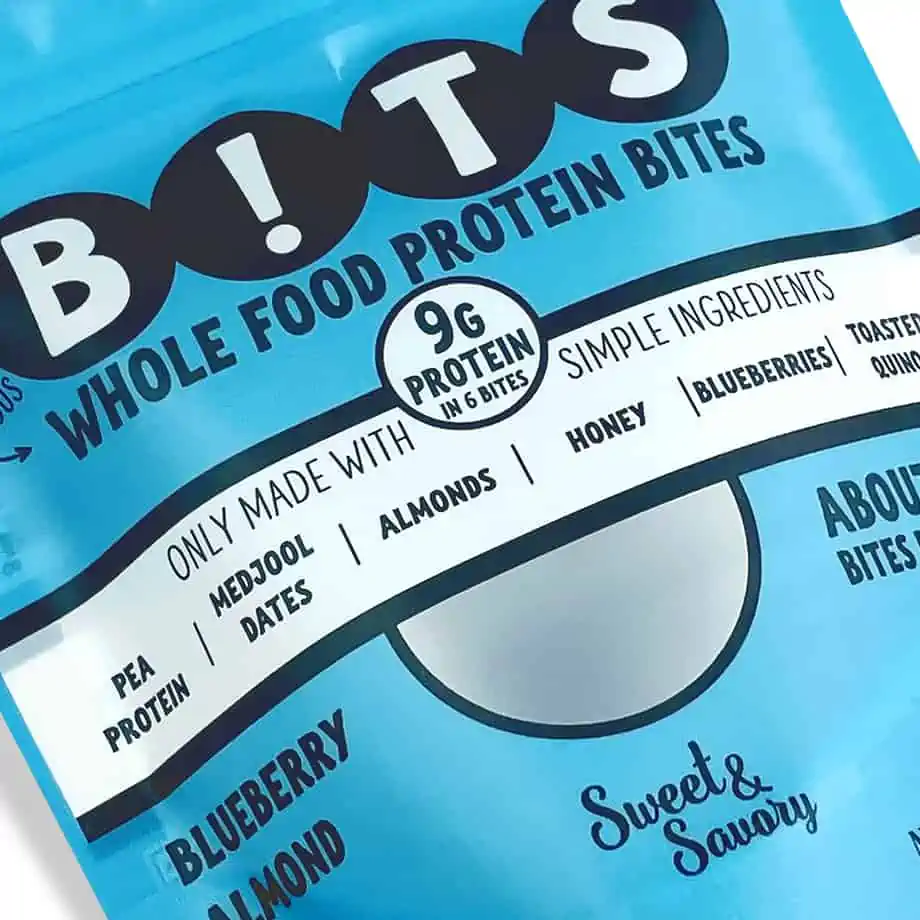

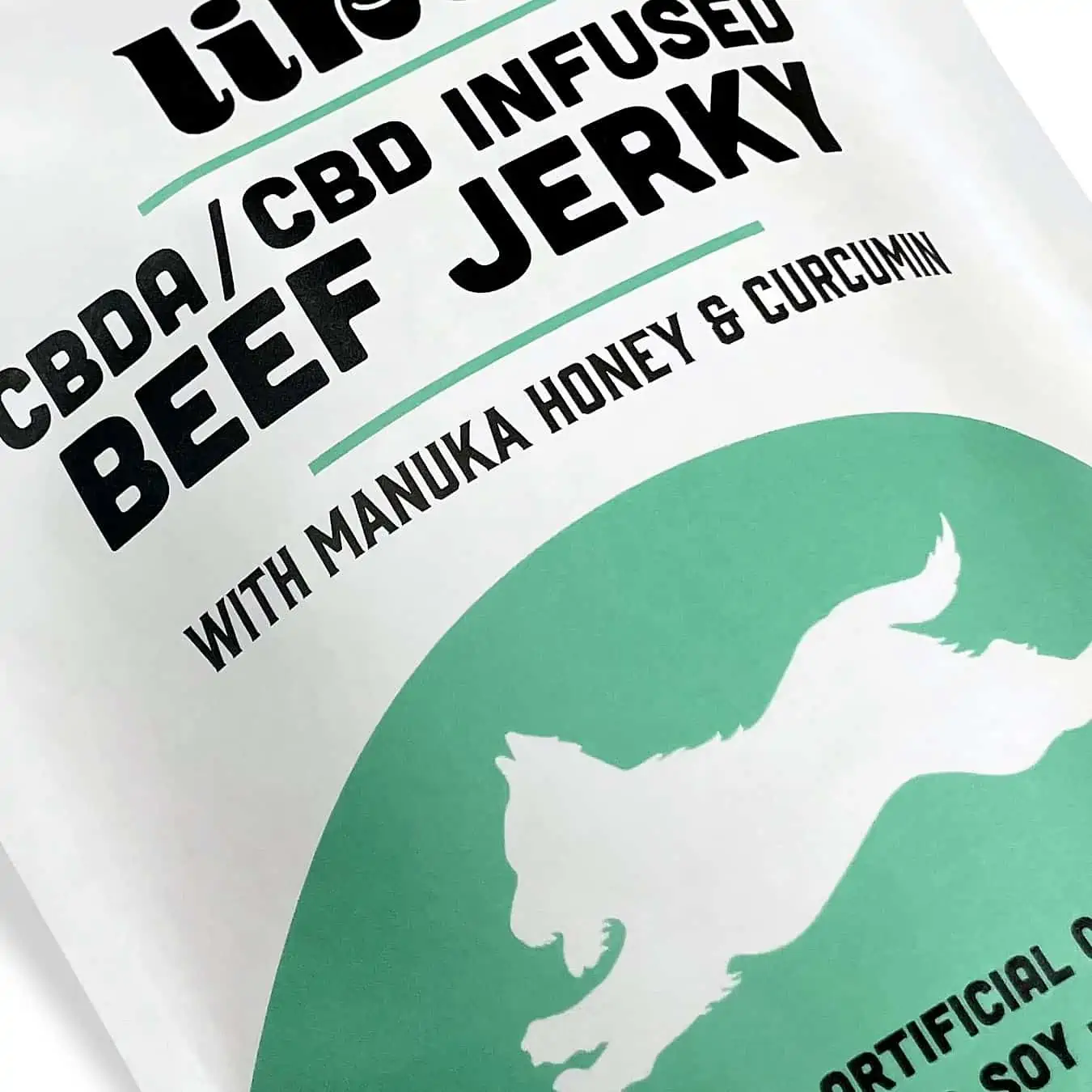
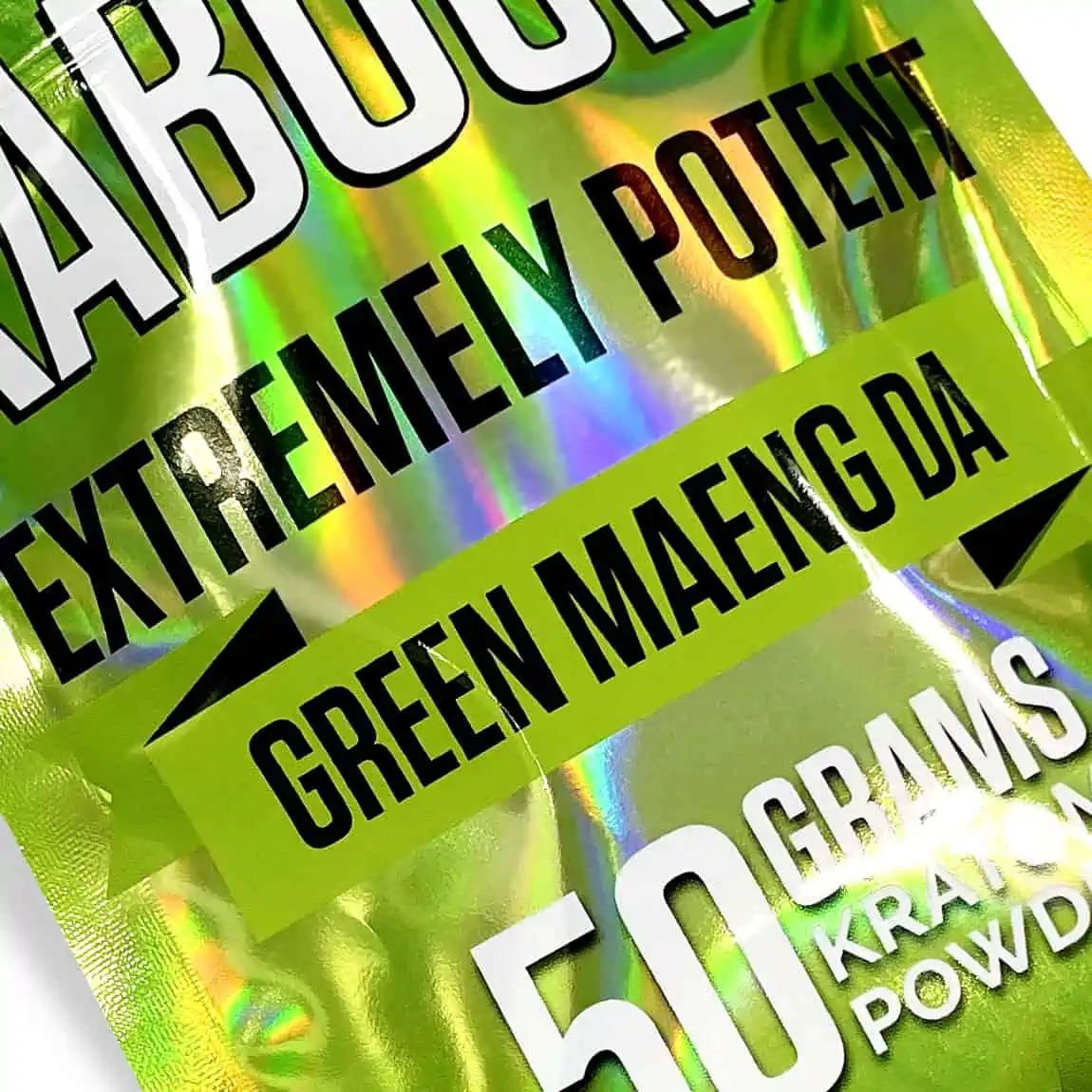
Bag size is decided by volume, not weight, so two products of the same weight often need very different pouches.
Chips, popcorn and puffed snacks are among the lightest things we bag. A few ounces fills a surprisingly large pouch, and under-sizing is the most common mistake on this category. Aim to fill roughly 70 to 90 percent of capacity: any lower and the pouch looks half empty on shelf, any higher and it will not seal cleanly.
Takes about a minute. Not sure of the fill weight? Put one bag's worth in a ziplock and weigh it.
What brands ask us before their first snack run: minimums, barrier, sealing and what actually keeps the product the way you made it.
Chips and puffed snacks take far more room than their weight suggests, because they are very low density. A few ounces fills a surprisingly large bag, while nuts, granola and trail mix of the same weight go into a much smaller one. Chips also crush, and crushing is the most common complaint on this product, so leave room at the top rather than packing the bag tight. Send the weight and the product, or run it through our bag sizing tool, and we size it from how densely it packs. Sized properly, what a customer opens looks like what they saw on the shelf.
The puff is nitrogen, flushed in at filling to push the oxygen out and cushion the product. The bag's job is to hold it, which takes two things: a barrier film so the gas does not diffuse out through the walls, and a clean heat seal all the way round, because a channel in the seal empties a bag far faster than any film leaks. Say on the quote if you or your co-packer gas flush. It rules out the thin clear structures, and it is what keeps the pack full and the chips whole on arrival.
Pillow pouches are the classic chip bag: one web of film wrapped into a tube, cheapest per unit, single-use. Stand-up pouches are the retail default and take zippers, windows and hang holes, which is what earns a facing on a grocery shelf. Side gusset and quad seal suit larger share formats and can take a tin tie. Minimums follow the format, not the snack: pillow, flat and stand-up start at 100 per design, and side gusset, quad seal and flat bottom start at 500 per design.
Yes. Custom roll film is an option on the quote form, printed to your artwork exactly as a made-up bag is. If you run your own vertical form-fill-seal line you are buying film rather than bags, and the film is where your throughput and your barrier both come from: the same structures we laminate into pouches also run as rollstock. It follows the same minimums as everything else, starting at 100, so you can print a run of film without a volume commitment most converters would ask for.
It depends on what fails first. For a baked or dry snack, moisture takes the crunch, and a basic PET/PE film is poor at keeping it out. A clear three-layer BOPP/PET/CPP film fixes that cheaply, but it does little for oxygen. For anything high in fat, like nuts, seeds or chips fried in oil, oxygen and light drive rancidity together, and that is a job for a metallized or foil film. Clear film looks good on a shelf. Matching the film to what actually spoils your snack is what stops you funding returns or cutting a best-by date.
On a stand-up pouch, yes, and it is a standard option rather than a special. It is also what turns a one-sitting snack into a pack a household keeps open on the counter. On a true pillow pouch, no. The bag is a single web wrapped into a tube with nowhere to mount a zipper track. A window is fine on a clear pillow pouch, though, and costs nothing extra. If you want the chip-bag look and a zipper, the usual answer is a stand-up pouch printed to read like one.
Foil will not, because it is a solid metal layer. Metallized film is usually described as too thin to set a detector off, and we have still seen it stop a customer's line, so we treat it as a risk rather than a safe bet. If your filler runs inline detection, that constraint picks your material before shelf life does: the clear barrier films contain no metal and pass. Tell us who fills for you and we check it before quoting, so the bags you order are bags your line can run.
There is, with the limits stated plainly. A recyclable bag has to be made from a single plastic family, so ours are mono-PE, either plain or with an EVOH layer added for barrier. Plain mono-PE is fair on moisture and poor on oxygen. Mono-PE with EVOH is much stronger. A standard PET/PE or metallized laminate is several different plastics bonded together and is not recyclable, whatever else it does well. If a recycling claim has to survive a retailer's audit, this is the film that supports it.
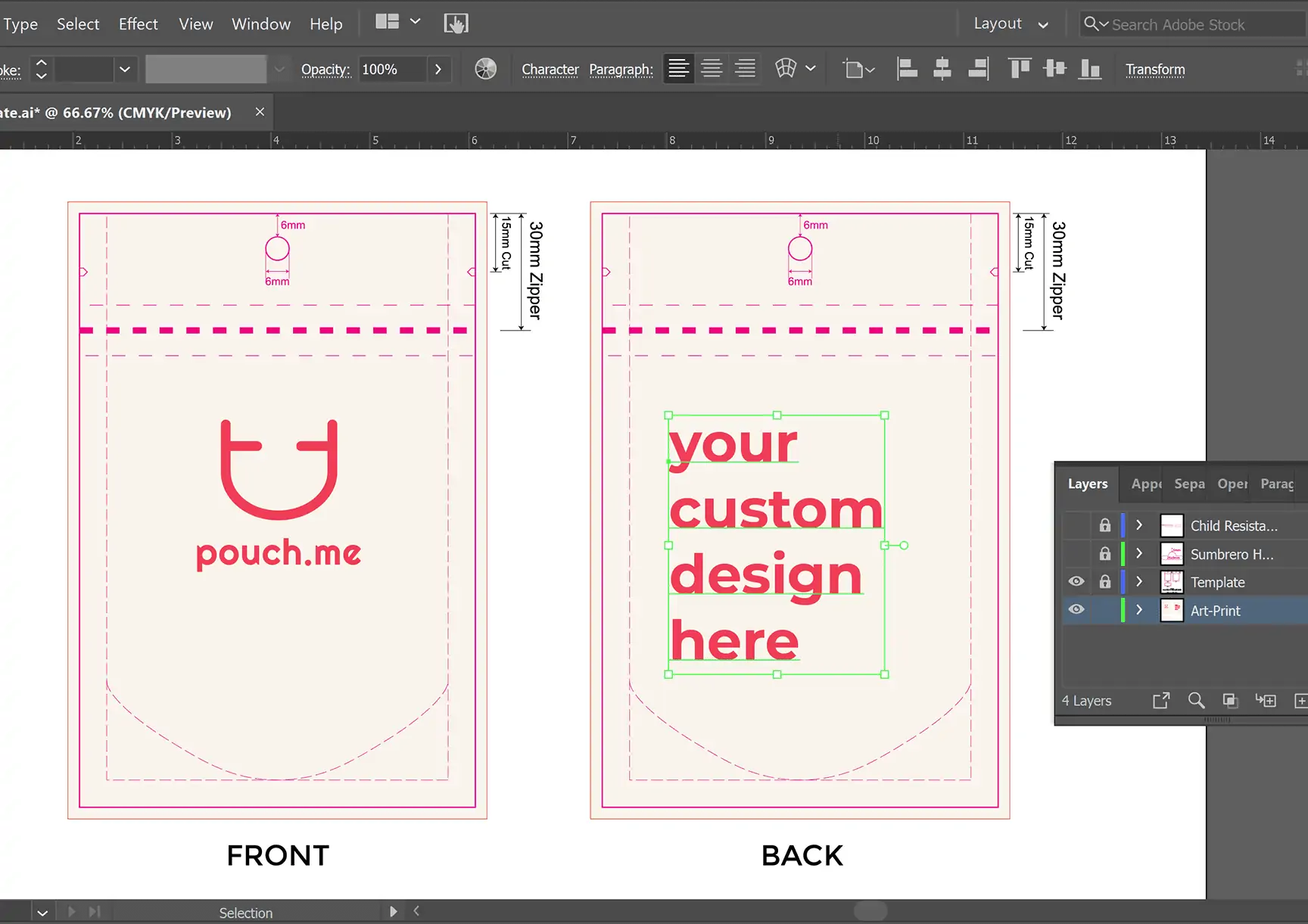
Yes, and it is a normal starting point. Design and prepress are free. Send the logo, tell us the bag size and what goes on the back, and our team lays it out onto the dieline for your format. We accept Illustrator, PDF, Photoshop, even a Canva export, and we check resolution, color mode, bleed and barcode scannability. You approve a proof before anything goes on press, so a first-time brand ends up with a bag that scans at checkout and looks like it belongs on a shelf.