Products
Choose Your Custom Pouch
who we are
Resources
My cart

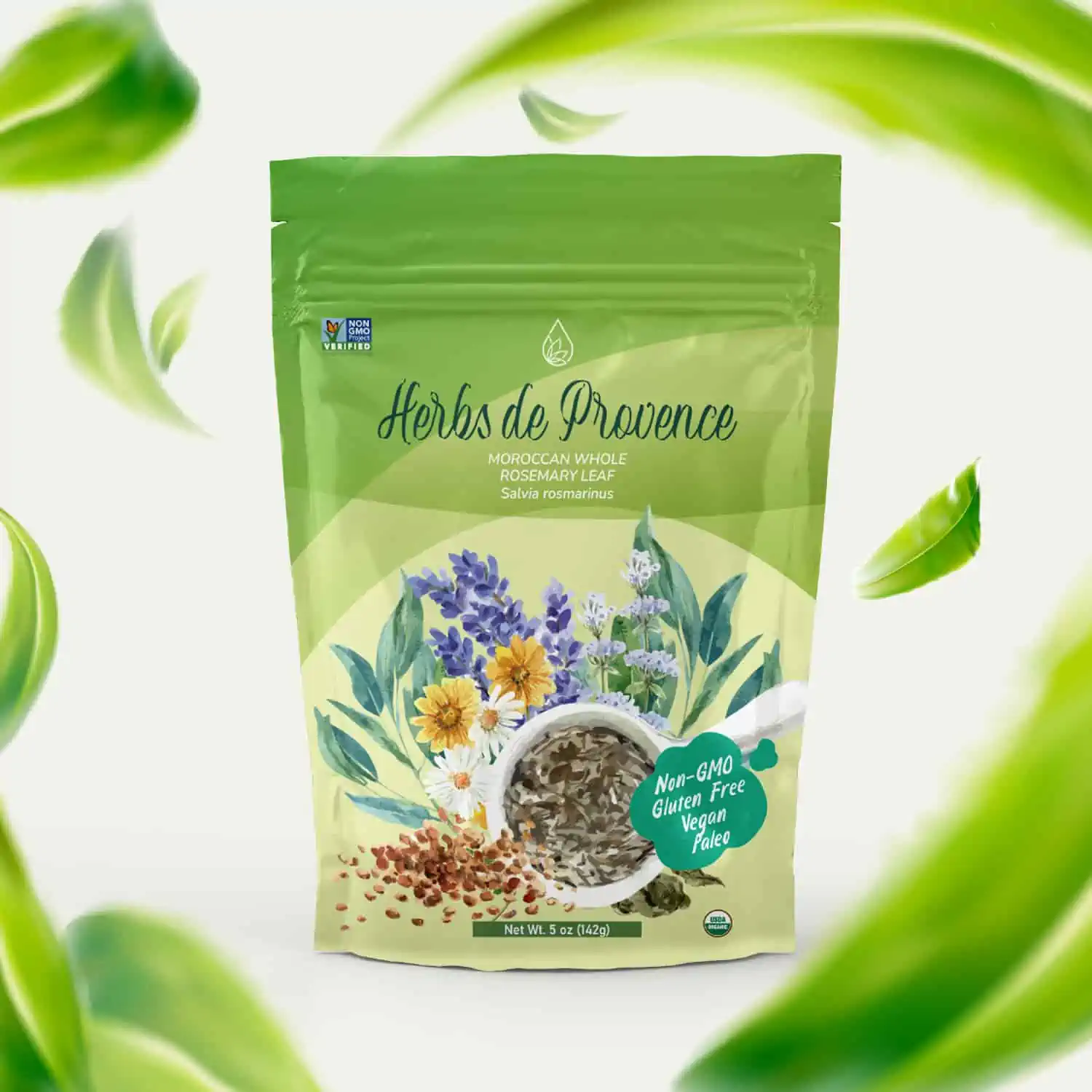
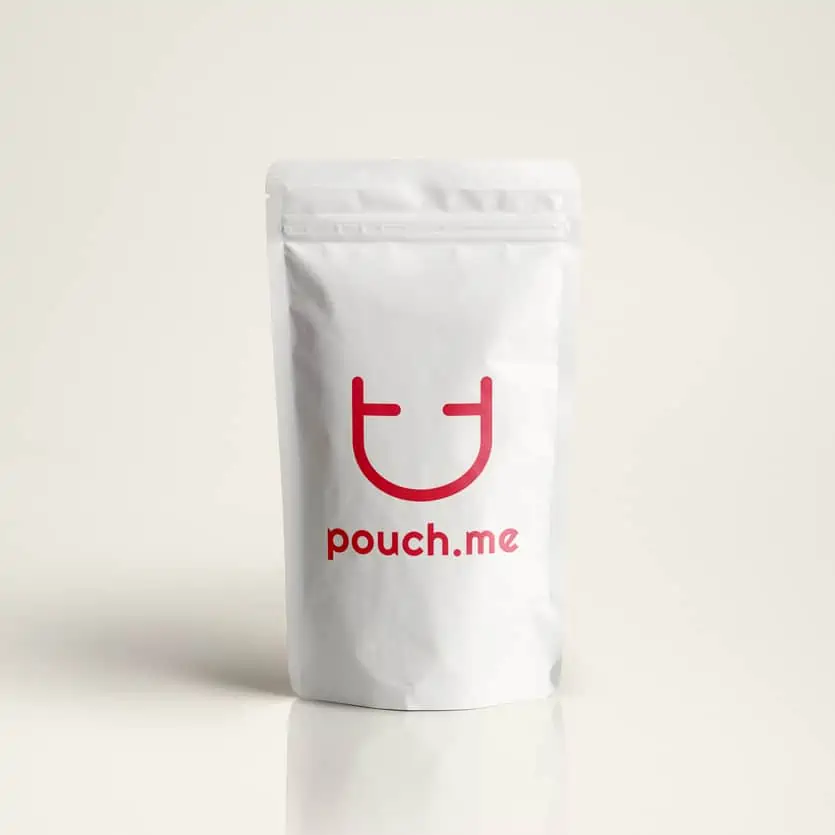
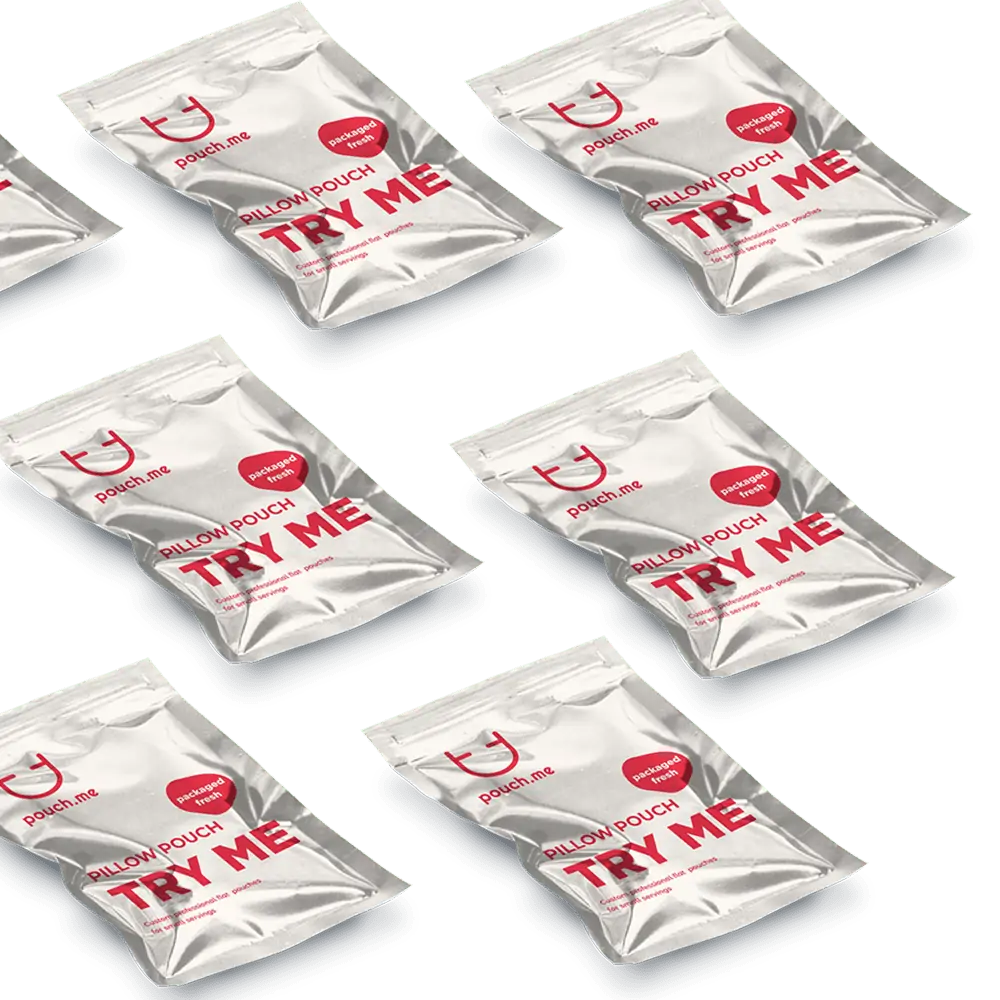
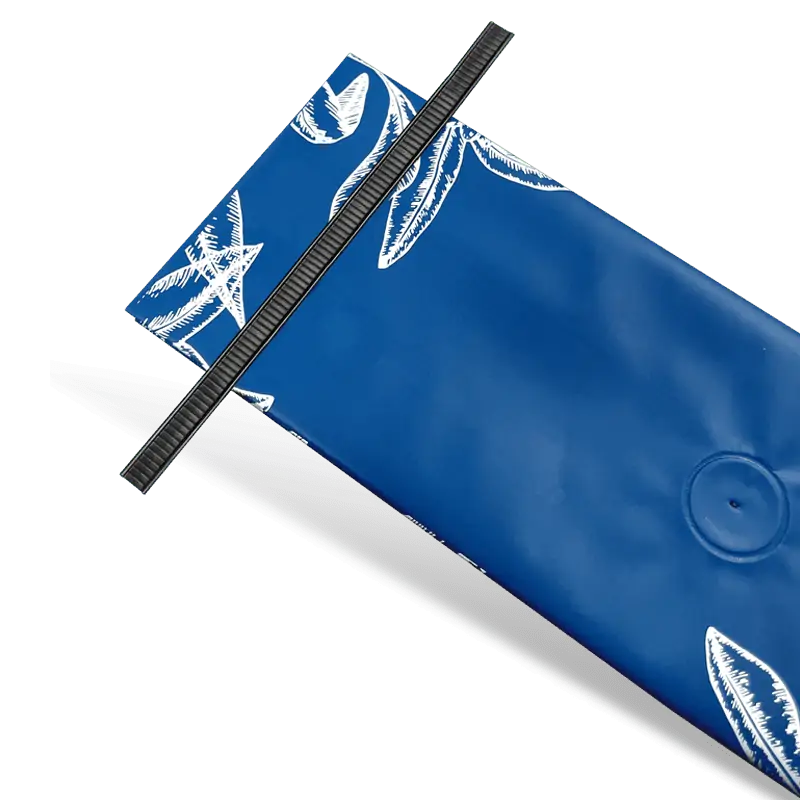


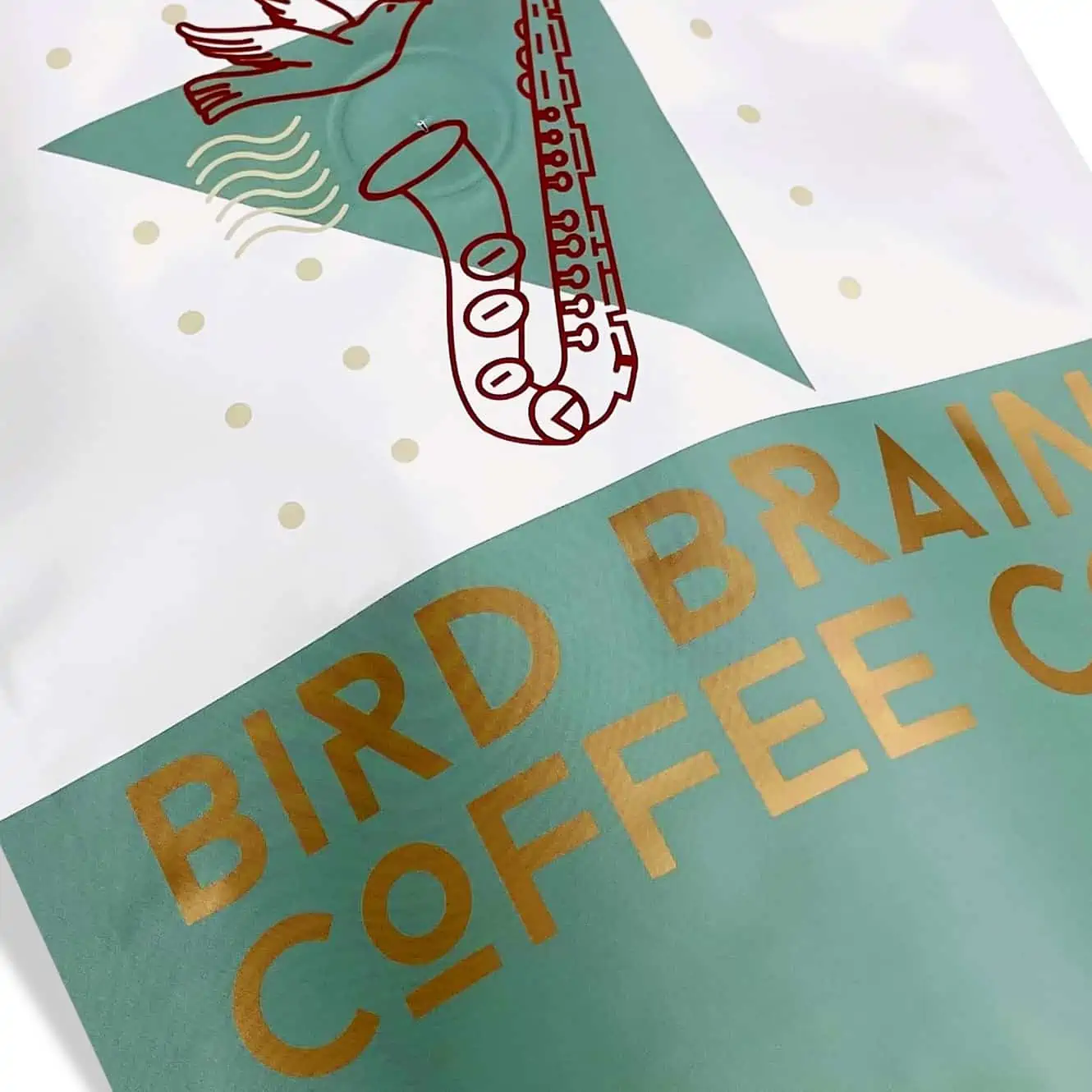
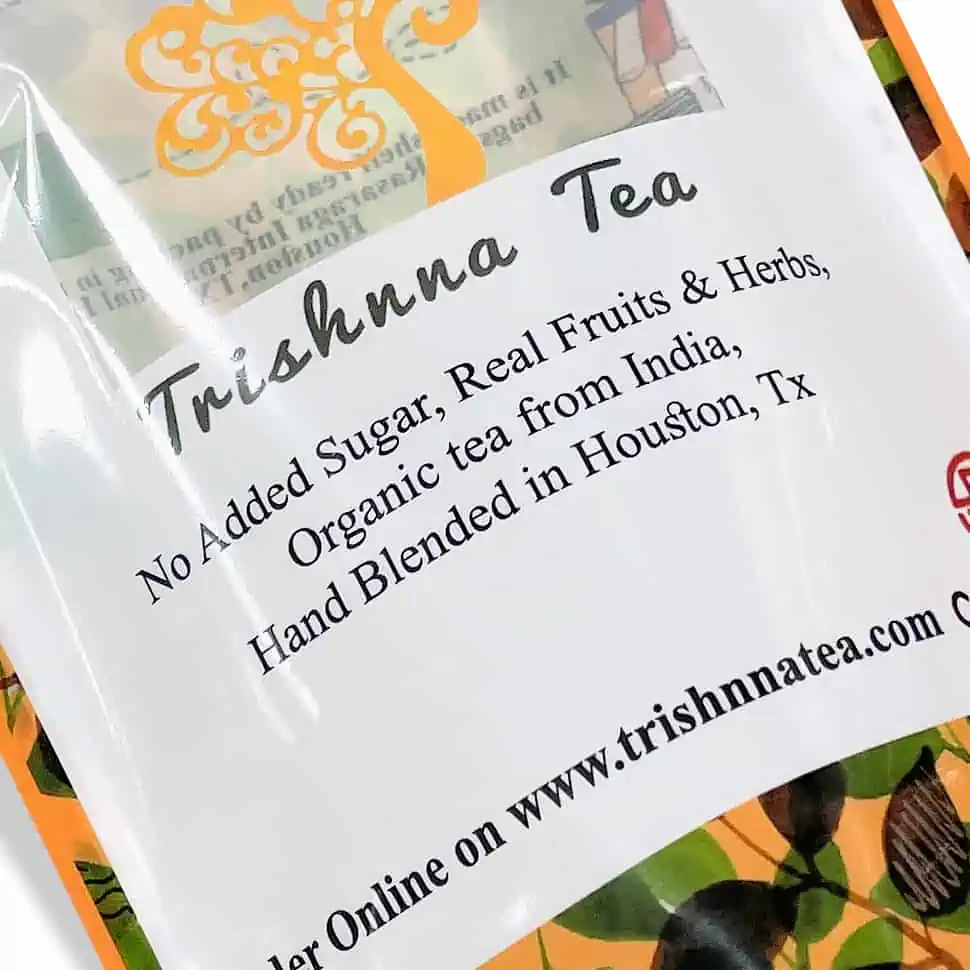
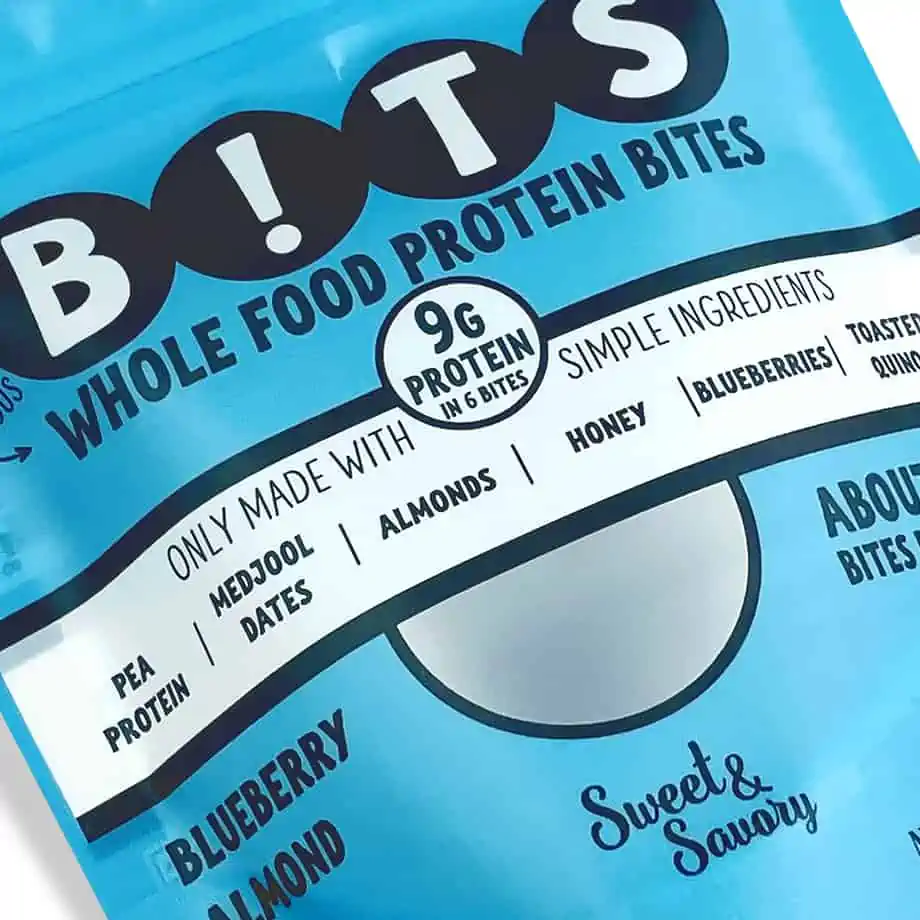

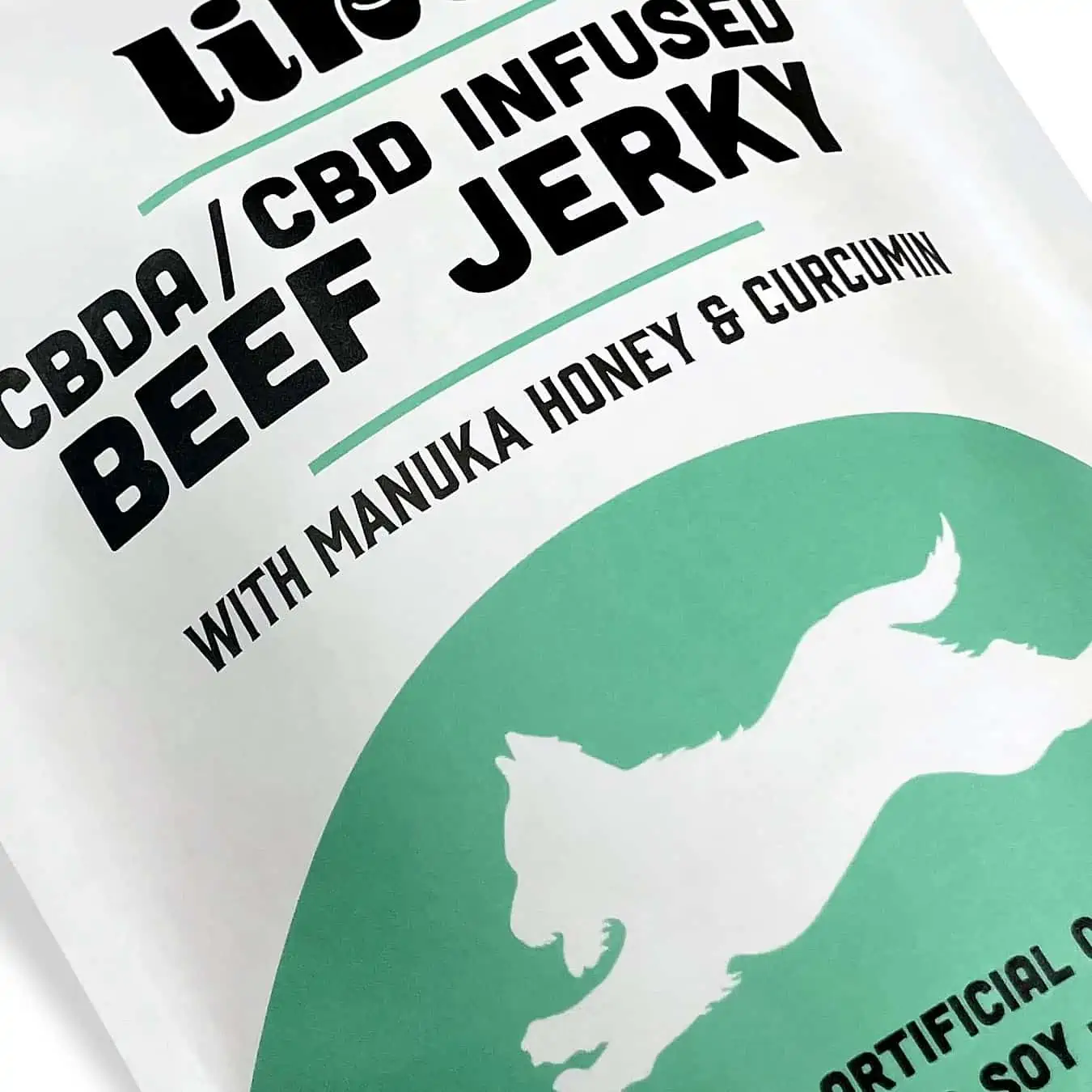
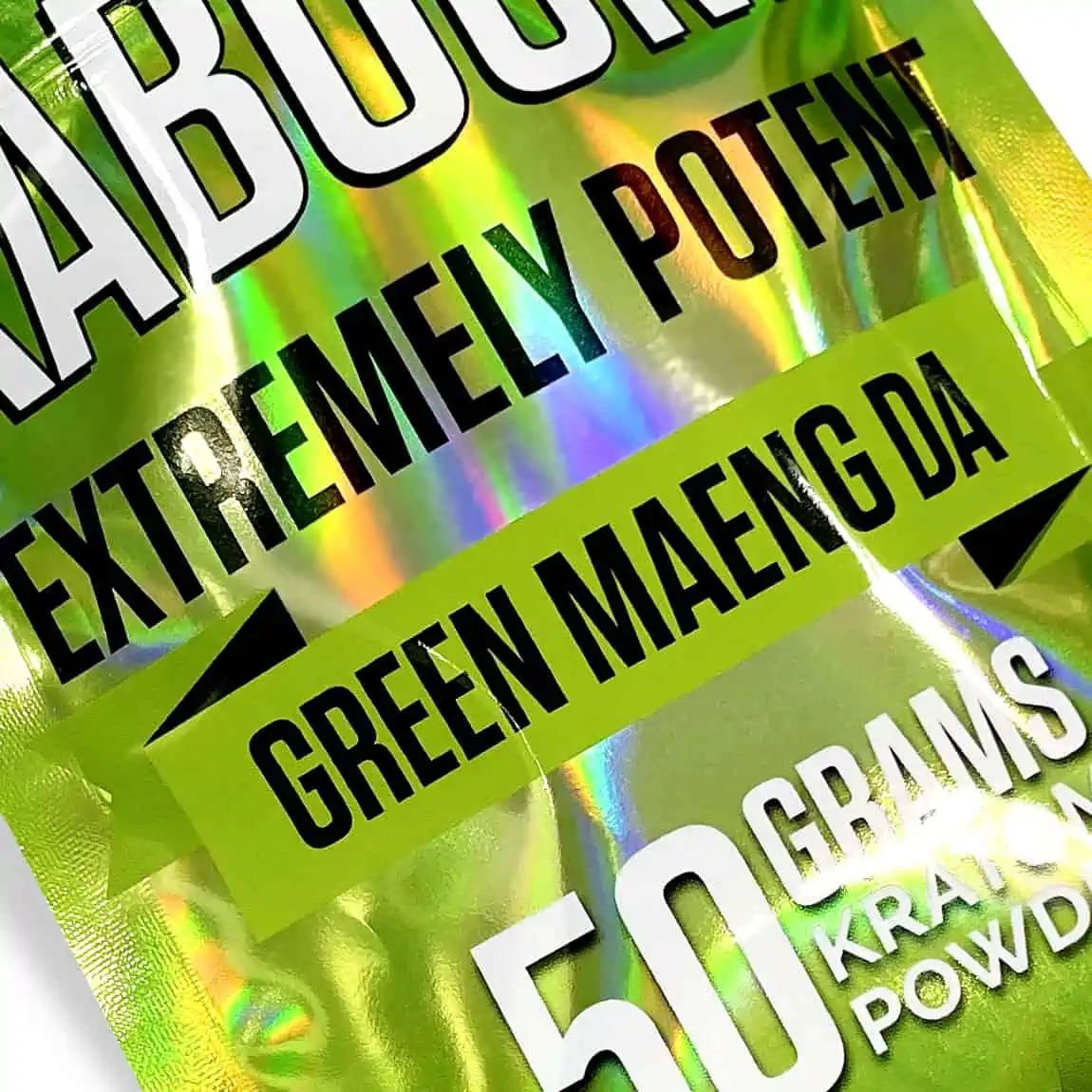
| Dimensions | Pouch Spec | Zipper | Weight / Remarks |
|---|---|---|---|
| 2×3 | Flat Pouch With Zipper | Standard Zipper | Dime Bags |
| 3.75×4 | Flat Pouch | Child Resistant Zipper | 1g |
| 3.5×4.5 | Flat Pouch | None | 3 g / 1/8 oz |
| 3.5x6x2 | Stand Up Pouch | Child Resistant Zippe | 3 g / 1/8 oz |
| 4x6x2.5 | Stand Up Pouch | Standard Zipper | 7g / 1/4 oz |
| 4×7.25×2 | Stand Up Pouch | Child Resistant Zipper | 7g / 1/4 oz |
| 5×8.5×3 | Stand Up Pouch | Standard Zipper | 14g / 1/2oz |
| 5x8x2.5 | Stand Up Pouch | Child Resistant Zipper | 14g / 1/2oz |
| 6×9.5×3.5 | Stand Up Pouch | Standard Zipper | 28g /1oz |
| 6x10x2.5 | Stand Up Pouch | Child Resistant Zipper | 28g / 1oz |
| 12x9x4 | Stand Up Pouch | Child Resistant Zipper | Exit Bag |
| 12×19.5×4.5 | Stand Up Pouch | Standard Zipper | 1 pound - Tall pouch |
| 14x17x6.5 | Stand Up Pouch | Standard Zipper | 1 pound - Wide pouch |
What brands ask us before their first herb run: minimums, barrier, sealing and what actually keeps the product the way you made it.
The minimum is 100 bags per design, and each blend with its own label is a design. So 100 bags cannot be split five ways. Five blends means five designs and at least 500 bags. That 100 applies to stand-up pouches, flat pouches and pillow pouches, the formats most herb and herbal tea brands use. Flat bottom, quad seal and side gusset bags start at 500 per design. On digital print each design can run at its own quantity. A seasonal blend can sit at 100 while your bestseller runs larger, so nothing slow ends up overstocked.
Most do. Our material calculator lists herbs as light-critical, alongside spices and tea. Light fades dried leaf and flowers and drives off the volatile oils that carry aroma and flavor. A metallized film blocks nearly all of it and is our default. Solid aluminum foil blocks all of it and suits stock that sits for a long time. Clear film blocks none. If people need to see the leaf, put a small window in an opaque bag rather than going fully clear. Then the blend opens at home smelling like your recipe, not like the shelf it sat on.
Yes to both, with one catch on kraft. A window in a metallized bag shows the leaf and keeps the barrier over the rest of the pack. Kraft is different. It normally carries a metallized liner behind the paper, but a window needs a clear liner, so the whole kraft bag loses its light barrier, not just the window area. Kraft with a window suits a blend that sells through quickly. For slower lines, a metallized bag with a small window protects more, and a clear front with a metallized back sits in between. Choose it knowingly and the look never costs you the product.
Not unless you ask for it. What most people call a foil or mylar bag is metallized film, a very thin layer of aluminum deposited onto polyester, and that is our standard. Solid aluminum foil is a separate, heavier layer we add for long holds. Either way the metal sits inside the laminate, and the layer touching your herbs is a food-grade polyethylene or cast polypropylene sealant. If you want no metal layer at all, our clear films carry none, at the cost of the light barrier. Say which you want on the quote and the bag matches how you describe your brand.
Yes, if the bag should leave you sealed. The bags arrive made up and empty with the top open. You fill, then heat-seal across the top, above the zipper. The zipper does not make that first seal. It only lets your customer close the bag again once they have torn the top off. A polyethylene seal layer closes in roughly the 250 to 350°F range, and the cast polypropylene in our clear moisture film needs more heat. A clean seal with no wrinkles or channels matters more than the film, because a poor seal leaks faster than any film does. Seal well and every bag holds what you packed.
Bigger than the weight suggests, because leafy herbs are among the lightest products we pack. By our sizing engine's figures, four ounces of dried oregano needs a stand-up pouch of about 6.1 by 9.3 inches with a 3.1 inch gusset, while four ounces of garlic powder fits one of about 4.7 by 7.1 inches. Cut and sifted leaf, whole flowers and fine powders all take different room, so send the fill weight and the form the herb is in. We quote your size and ours side by side, so a light blend does not end up in a bag that looks half empty.
It will keep outside humidity away from a dry product, as long as the film is a barrier film and the top is heat-sealed cleanly. What no bag can do is dry herbs that went in damp. Moisture sealed in with the product stays in, so make sure a batch is fully dry before it is packed. We do not supply desiccants. We make the bag, and a desiccant only works inside a real barrier film anyway. Dry product in a sealed barrier bag is what keeps a powder loose and a leaf crisp from the first scoop to the last.
Yes, the outer pouch. Loose herbal tea and finished tea bags go into the same printed pouches as dried herbs, with the same barrier choices and the same minimums, because the minimum follows the format of the bag, not what goes in it. What we do not make is the paper infuser bag itself. If most of your range is tea rather than herbs, our tea pouch page goes deeper on tea. Either way, one quote can cover a range that mixes herbs and teas.
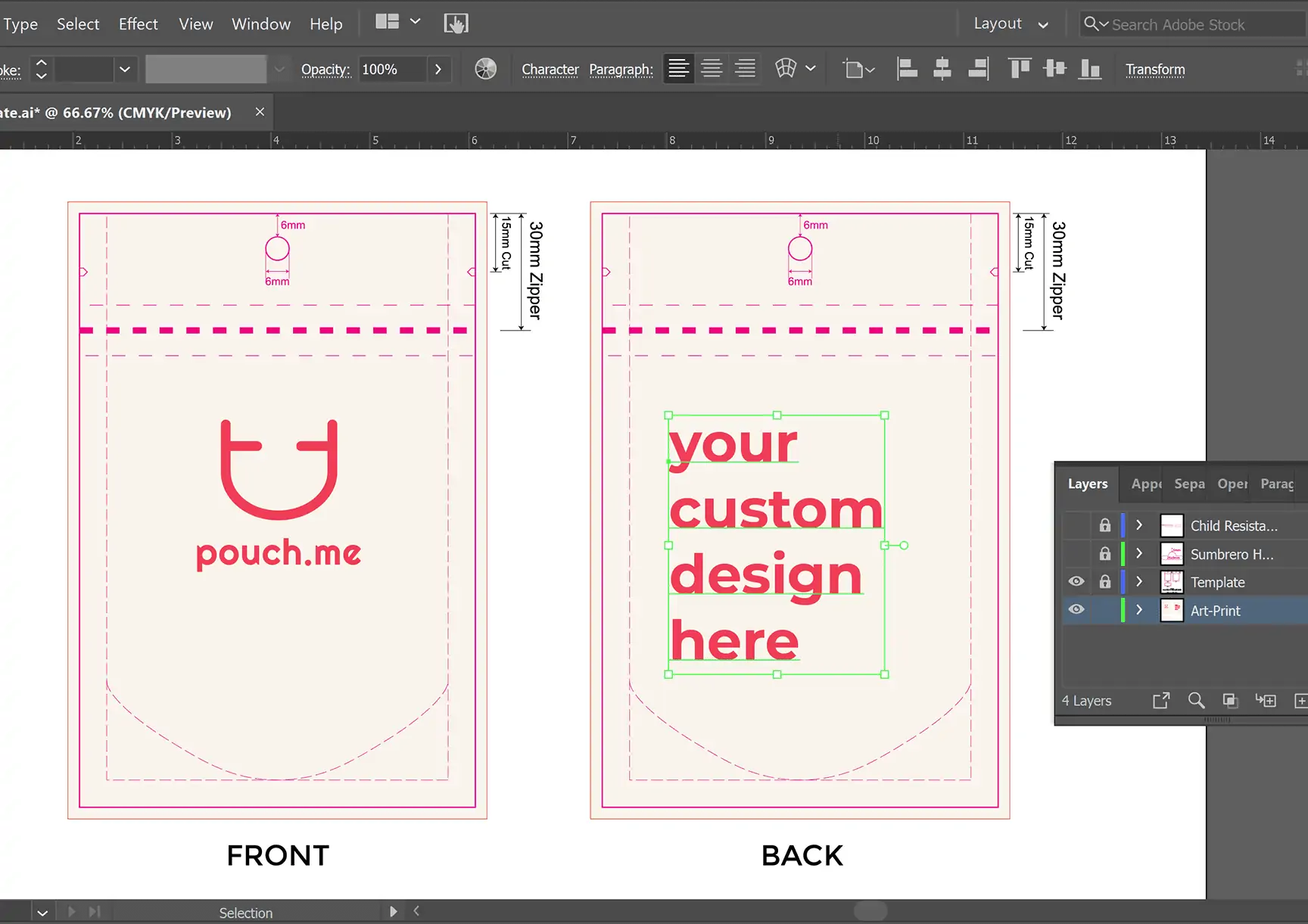
Yes. The bag is printed to your artwork on both faces and, if you want, the bottom gusset, so ingredients, brewing or use directions, a barcode and any seal you are entitled to use go where you place them. We check resolution, bleed and barcode scannability and send a proof before anything goes on press. What we cannot do is decide what the label must say or whether you may use a certification mark. That stays with you and your certifier. You get a finished bag that carries the whole story without a sticker on the back.