Products
Choose Your Custom Pouch
who we are
Resources
My cart

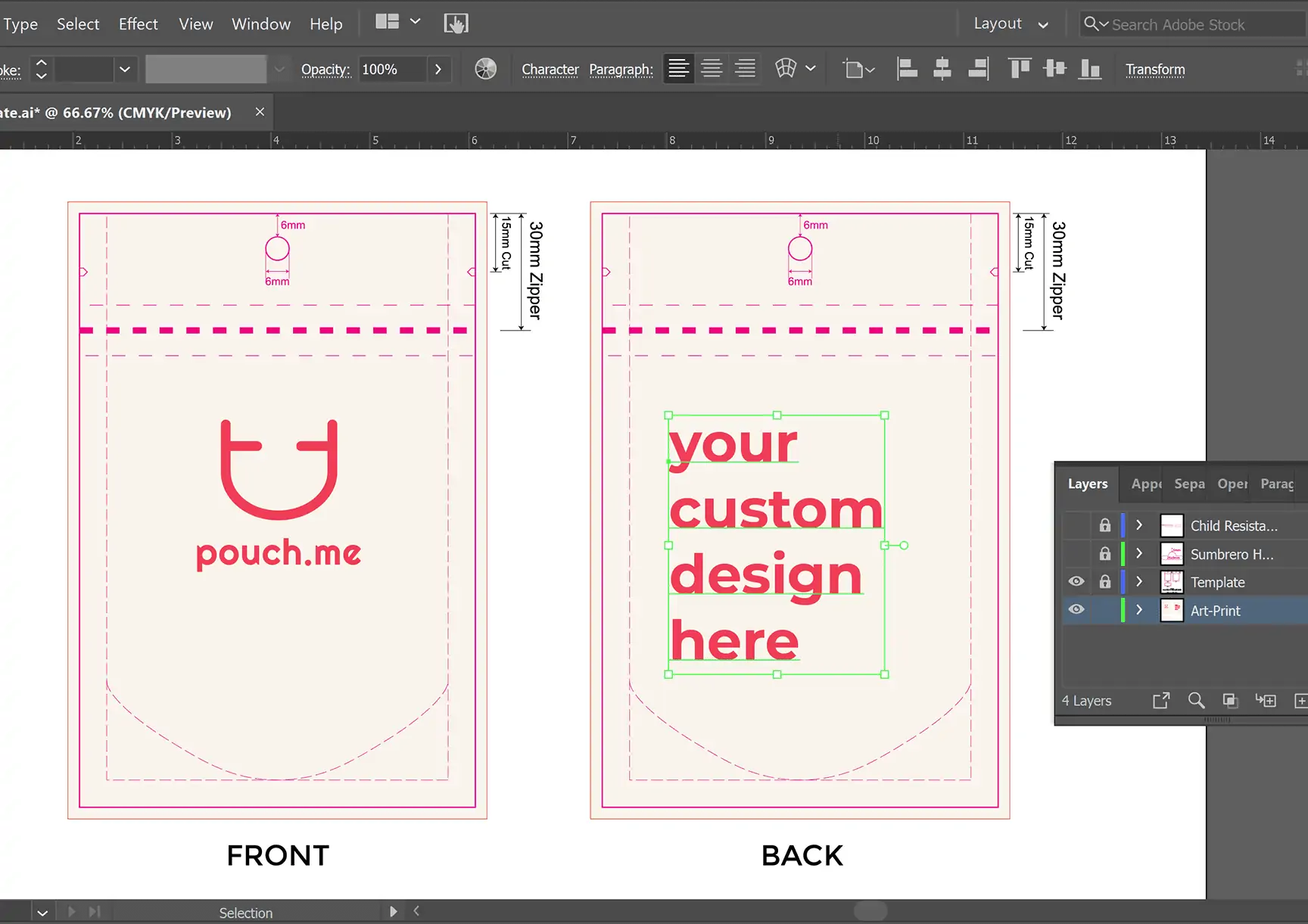


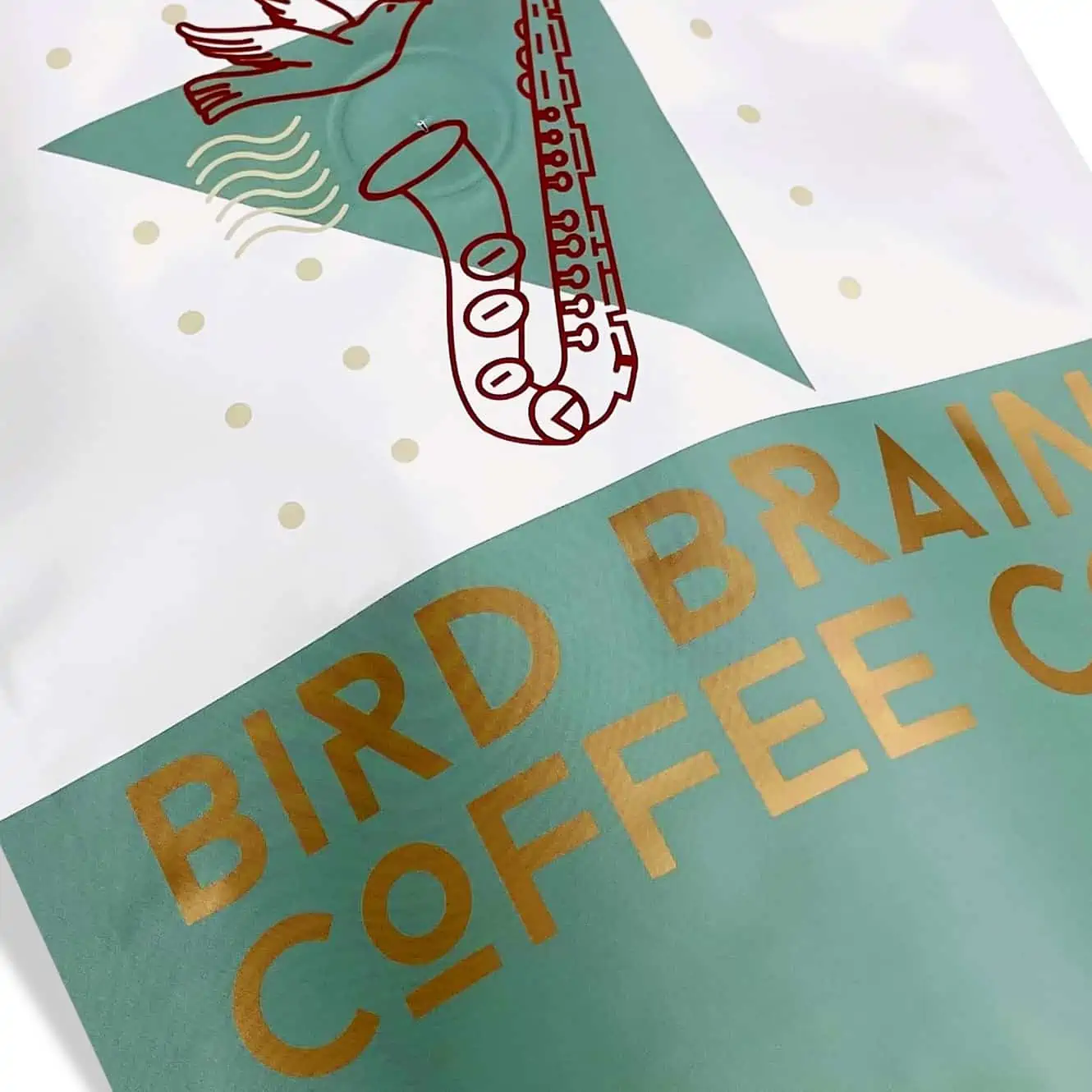
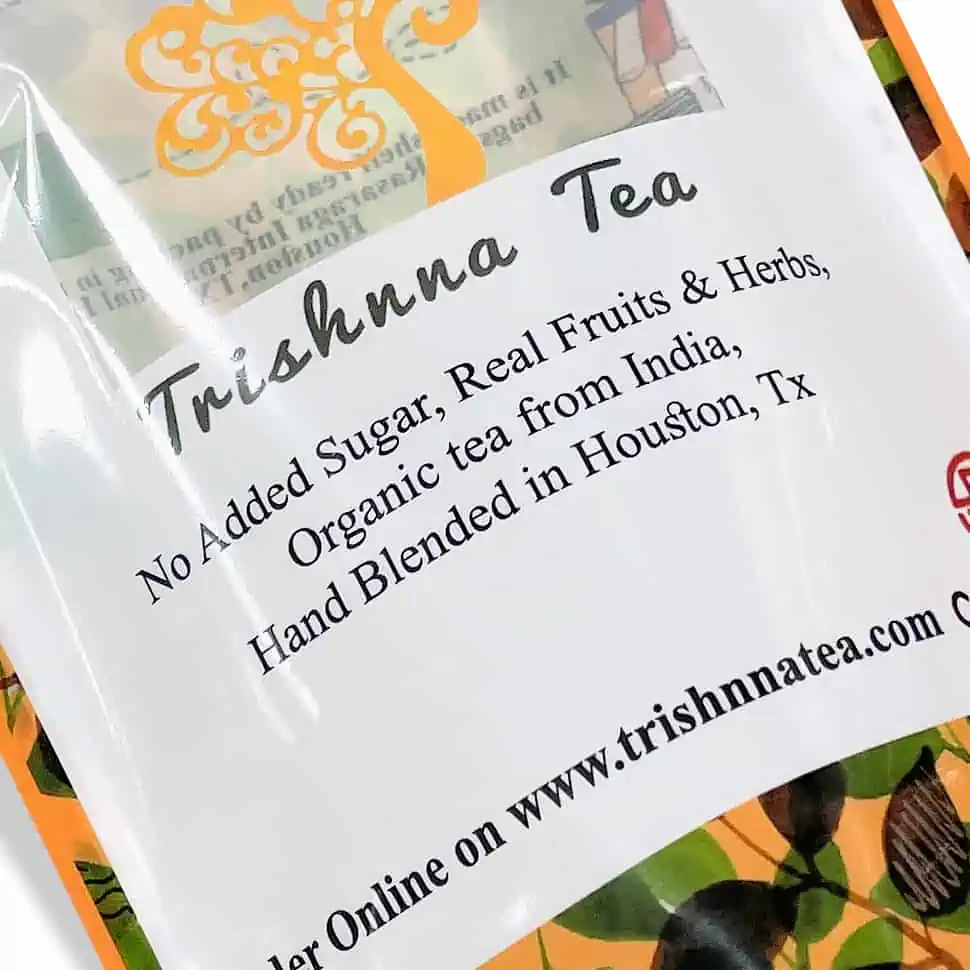
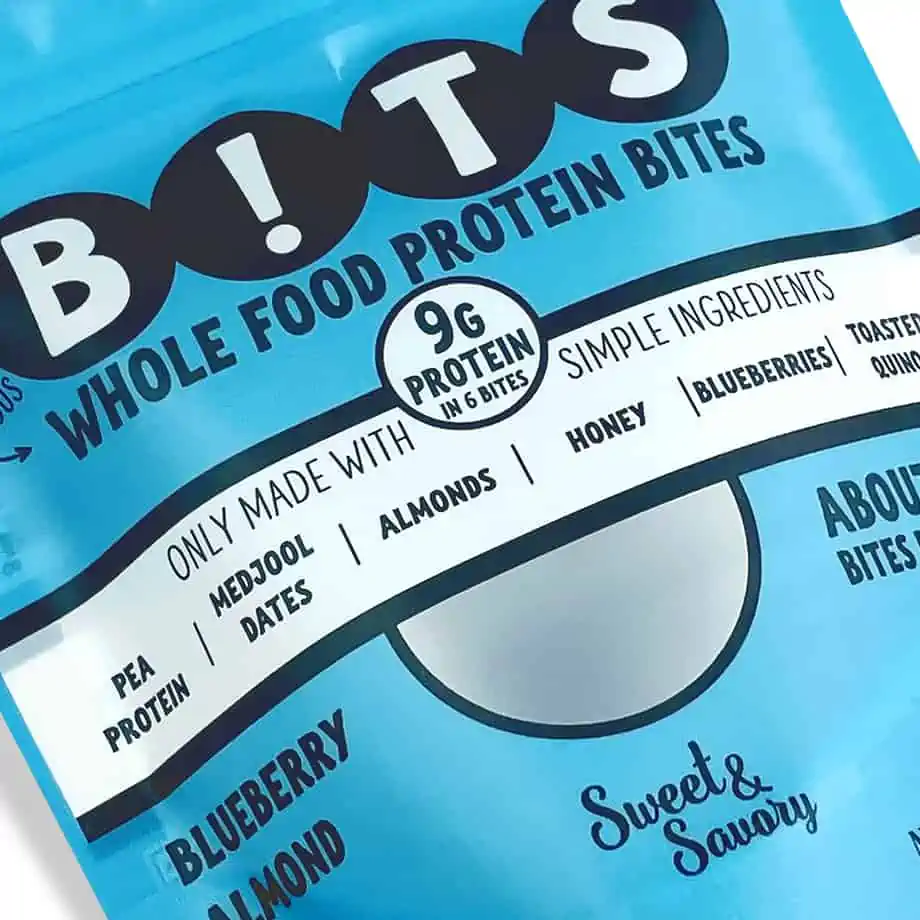

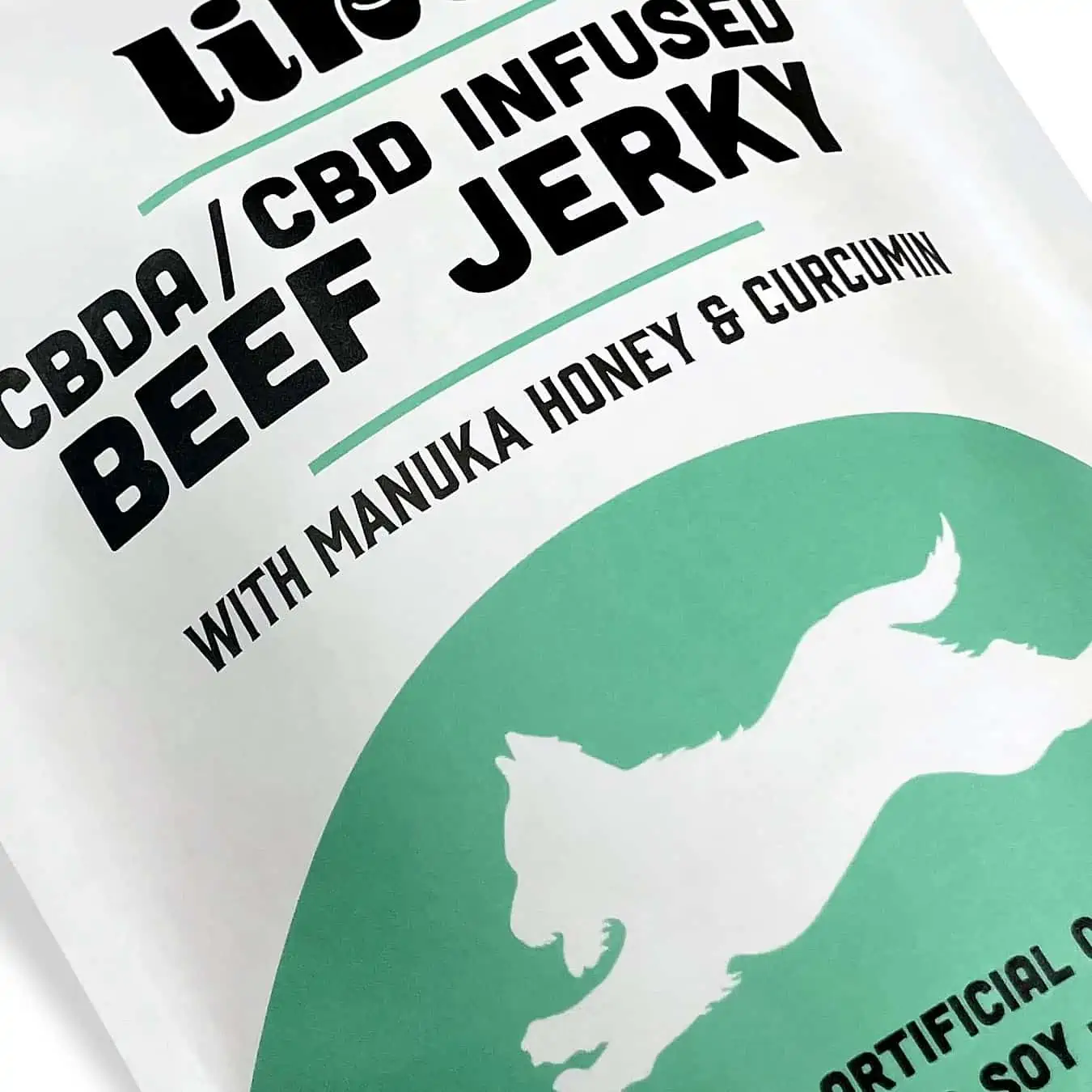
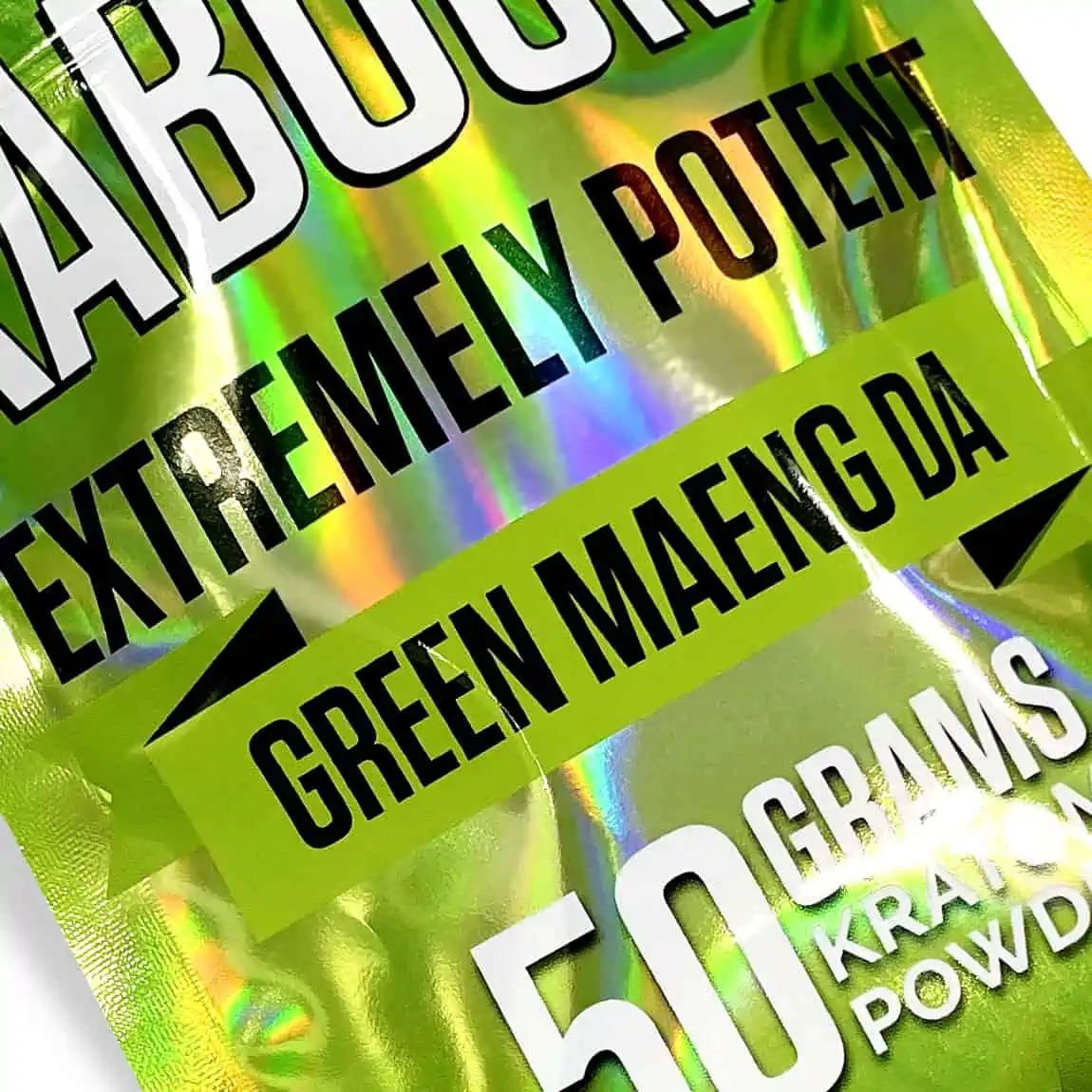
| Dimensions | Pouch Spec | Zipper | Weight / Remarks |
|---|---|---|---|
| 2×3 | Flat Pouch With Zipper | Standard Zipper | Dime Bags |
| 3.75×4 | Flat Pouch | Child Resistant Zipper | 1g |
| 3.5×4.5 | Flat Pouch | None | 3 g / 1/8 oz |
| 3.5x6x2 | Stand Up Pouch | Child Resistant Zippe | 3 g / 1/8 oz |
| 4x6x2.5 | Stand Up Pouch | Standard Zipper | 7g / 1/4 oz |
| 4×7.25×2 | Stand Up Pouch | Child Resistant Zipper | 7g / 1/4 oz |
| 5×8.5×3 | Stand Up Pouch | Standard Zipper | 14g / 1/2oz |
| 5x8x2.5 | Stand Up Pouch | Child Resistant Zipper | 14g / 1/2oz |
| 6×9.5×3.5 | Stand Up Pouch | Standard Zipper | 28g /1oz |
| 6x10x2.5 | Stand Up Pouch | Child Resistant Zipper | 28g / 1oz |
| 12x9x4 | Stand Up Pouch | Child Resistant Zipper | Exit Bag |
| 12×19.5×4.5 | Stand Up Pouch | Standard Zipper | 1 pound - Tall pouch |
| 14x17x6.5 | Stand Up Pouch | Standard Zipper | 1 pound - Wide pouch |
What brands ask us before their first freeze-dried food run: minimums, barrier, sealing and what actually keeps the product the way you made it.
Keeping water out comes first. Freeze-drying takes out nearly all the moisture, so the product pulls it back from the air as soon as it can, and crisp fruit or candy turns soft and chewy. Oxygen and light come next, because they fade color and turn any fat rancid. A metallized structure handles all three and is our standard for freeze-dried food. Aluminum foil is the step up when you want the longest hold we can build. Get the barrier right and the last bag on the shelf crunches like the first.
Our standard laminate is 120 micron, about 4.7 mil, and kraft runs at 140 micron. Thickness is not what keeps freeze-dried food dry, though. The barrier comes from the layers inside: at the same 120 micron, a plain clear bag is poor on moisture and a metallized one is very good. What many buyers call a mylar bag is a laminate with a metal layer. On ours that is metallized PET as standard, with aluminum foil as the step up. Ask for the barrier your shelf life needs rather than a mil number, because the barrier is what keeps the product crisp.
That depends on your product and your process, and many freeze-dried sellers do use an oxygen absorber. We do not supply absorbers or desiccants. We make the bag, and the bag decides whether either one is worth adding. An absorber can only deal with the oxygen sealed inside the pack if the film stops more coming in. In a plain clear bag, or behind a large window, it keeps working against air coming through the wall. If you use one, put it in a real barrier film with a clean heat seal, so the sachet does the job you paid for.
We do not put a number of years on a bag, because the bag is only one of the things that decide it. How dry the product is when it goes in, whether you add an absorber, how clean the seal is and how warm the bag is stored all count as much as the film. Tell us the shelf life you want to print, and we quote the film for that shelf life and explain the choice on the quote. That keeps the date on your label one you can stand behind when a retailer asks.
Yes, and it is one of the most common requests on this product. The usual builds are a clear front with a metallized back, or a metallized bag with a clear window in it. The window build needs a larger run than a plain bag, so tell us which you want and we confirm the minimum for your build when you quote. The trade is that the clear area lets in more moisture and light than the rest of the bag, and freeze-dried food picks up moisture fast. Keep the window small. If the product has to stay on show for longer, ask about AlOxPET for the clear side, a clear ceramic-coated film far stronger on moisture than standard clear.
Heat-seal it, and do it soon after filling. The heat seal across the top is what makes the pack airtight. A zipper reseals the bag for your customer but does not seal it, so on a zipper bag, seal above the zipper and let the customer tear that strip off on first open. Freeze-dried product starts pulling moisture from the room as soon as it leaves the dryer, so fill and seal in the driest space you have. A clean, flat seal with no crumbs caught in it is what keeps the crunch until the bag is opened.
Yes, as long as each design meets its minimum. Stand-up, flat and pillow pouches start at 100 per design, so five flavors of freeze-dried candy is 500 bags, 100 of each. Side gusset, quad seal and flat bottom bags start at 500 per design. A run of 10 or 20 of a design is under our minimum. With a dozen flavors, one way to start is to print your best sellers first and add the rest as they prove themselves. You get a printed range on the shelf without funding thousands of bags of a flavor nobody reorders.
Size it by volume, not weight. Freeze-dried food is very light for the space it fills, so a bag picked from the weight alone comes out far too small. The most useful things to send are the bag you use today, if it holds the right amount, or one piece's size and how many go in for candy and fruit slices. Give us the net weight too, because that is what goes on your label. If you are unsure, filling a blank sample bag with your real product settles it before a production run is committed.