Products
Choose Your Custom Pouch
who we are
Resources
My cart

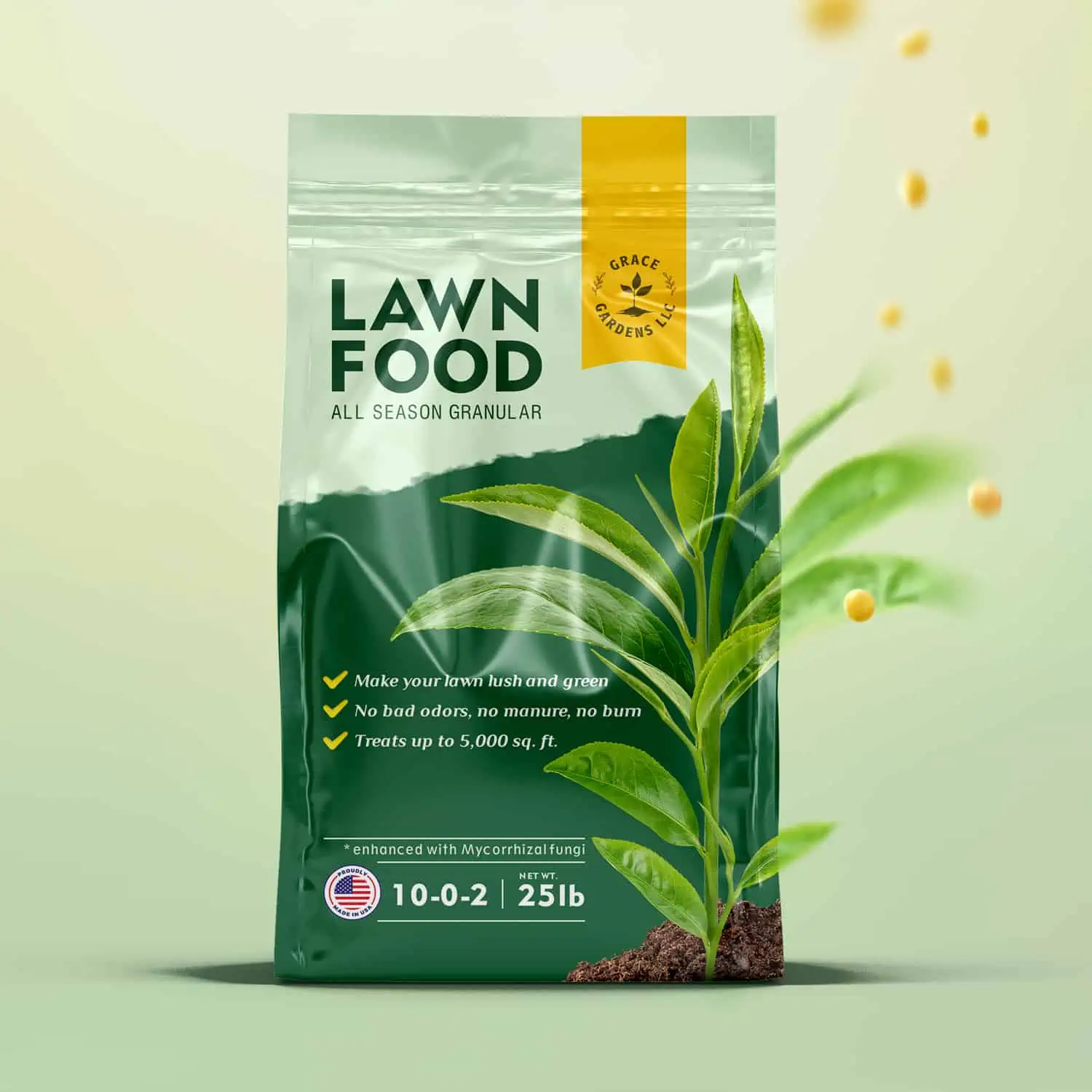






Bag size is decided by volume, not weight, so two products of the same weight often need very different bags.
A quad seal bag has four corner seams and a square profile, so it stacks cleanly on shelf and carries four distinct panels for branding. Aim to fill roughly 70 to 90 percent of capacity: any lower and the bag looks half empty on shelf, any higher and it will not seal cleanly.
Takes about a minute. Not sure of the fill weight? Put one bag's worth in a ziplock and weigh it.
What brands ask before choosing a quad seal bag: what it can take, how it compares, and what it costs to start.
A quad seal bag is built with four vertical seams, one at each corner, which is what gives it a square cross section and four flat panels. Two of those panels are the front and back, and two are full side panels formed from the gussets. The bottom is a folded center seam rather than a separate base panel, so it boxes out toward square as you fill it. What you get is a bag that holds its shape on a shelf and carries four faces of branding instead of the usual two.
Both are square profile bags and both start at 500 per design. The difference is the base. A flat bottom pouch has a true flat panel sealed in underneath, eight sealed edges in all, and it keeps standing when it is half empty. A quad seal has four corner seams and a folded bottom seam instead, so it is the simpler build and often the cheaper of the two on a gravure run. Take a quad seal when you want the square look and the four panels, and a flat bottom when the bag has to stand up loaded and half used.
Five hundred per design on digital print. Four corner seams take more converting than a simpler bag, and the minimum follows the format. Pillow, flat and stand-up pouches start at 100 per design, so if 500 is more than a first run warrants, one of those is usually the answer. Gravure has its own, higher minimum that depends on bag size, and we quote it per job. It counts per design, not per order, so three blends is three lots of 500. This is a production run printed to your artwork, not a stock bag with a label on it.
Yes, and you have three choices. The e-zipper is our default on this format. Its track is 8 to 12 mm wide, easier to grip across a wide rectangular mouth, and it needs a bag at least 5 inches wide by 6 inches high. A standard press to close track, 3 to 5 mm wide, is the other zipper option. Or skip the zipper and close the top with a plain heat seal. One thing to check when you compare quotes: an e-zipper already has the opening function built in, so a tear notch and a perforation are not separate features and should not appear as extra lines.
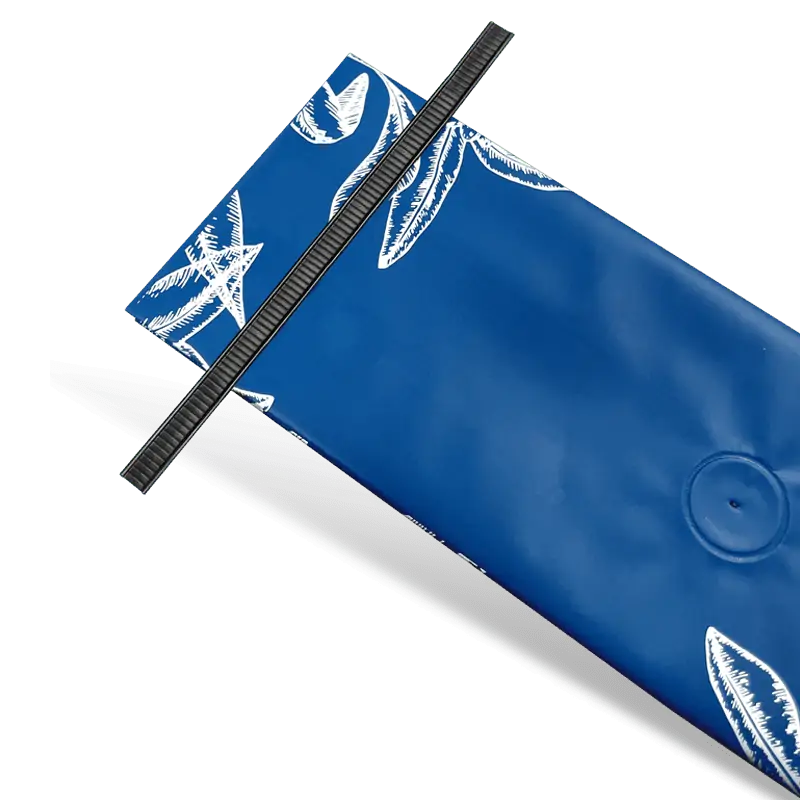
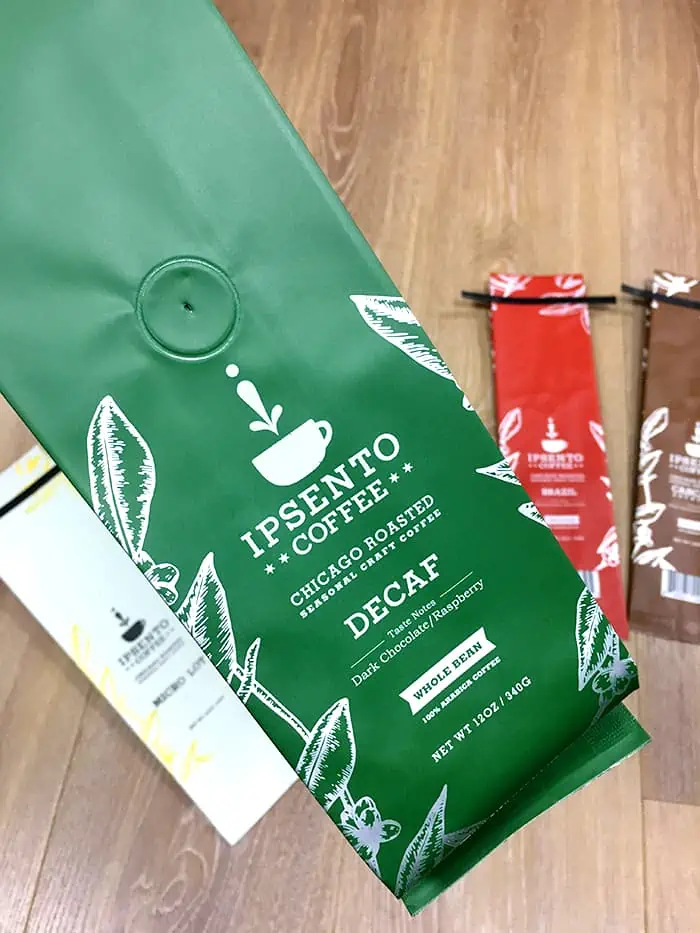
It does, and it is the usual choice for a roaster who wants a squarer look than a stand-up pouch gives. Around 35% of the quad seal bags we quote carry a degassing valve and about the same share carry a tin tie. The valve only does its job behind a barrier: a metallized or aluminum structure, or kraft with a barrier liner. On a clear film the oxygen comes through the wall and the valve is decoration. Specify it and we build the material around it, so you can bag the coffee the day it comes off the roaster.
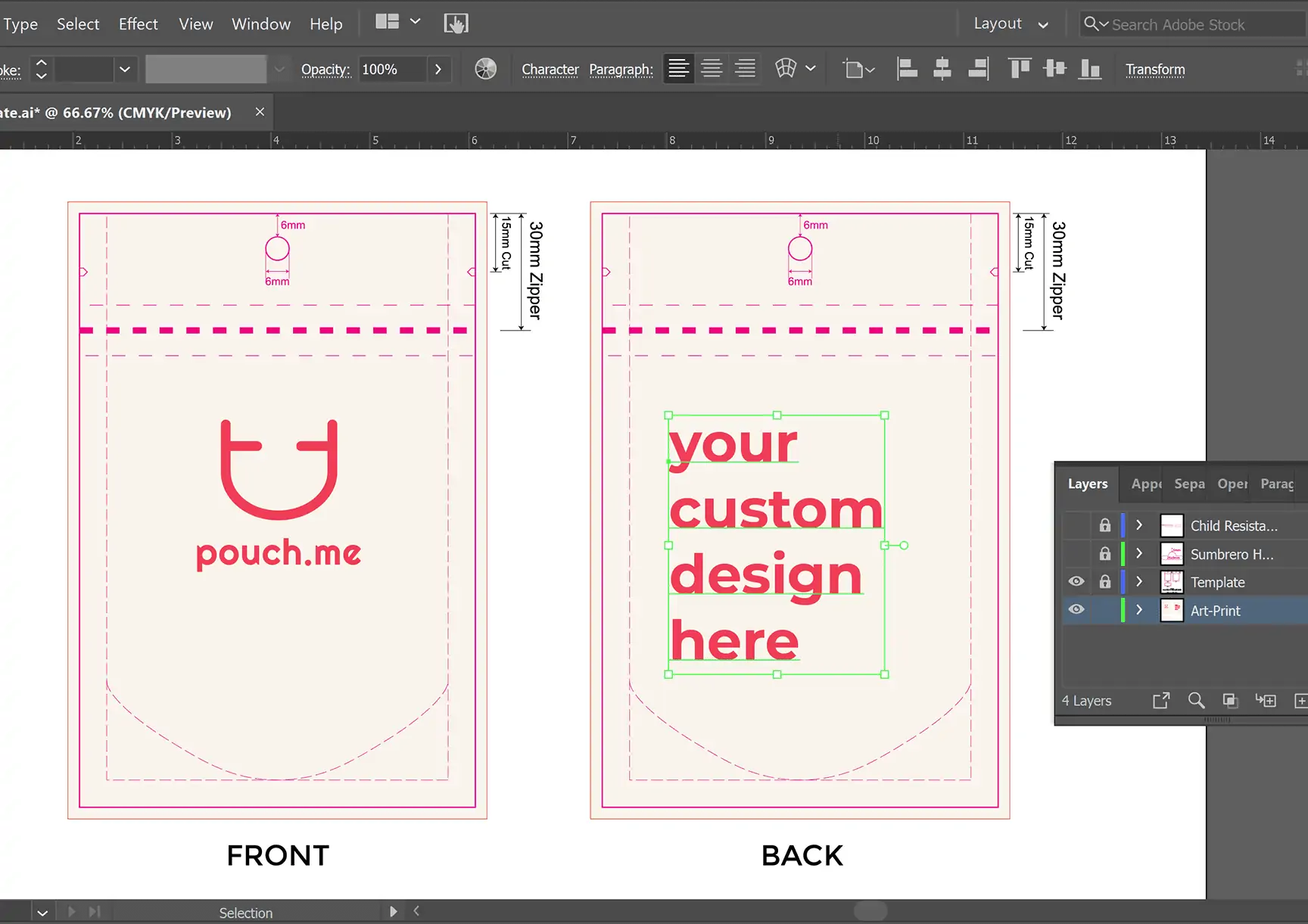
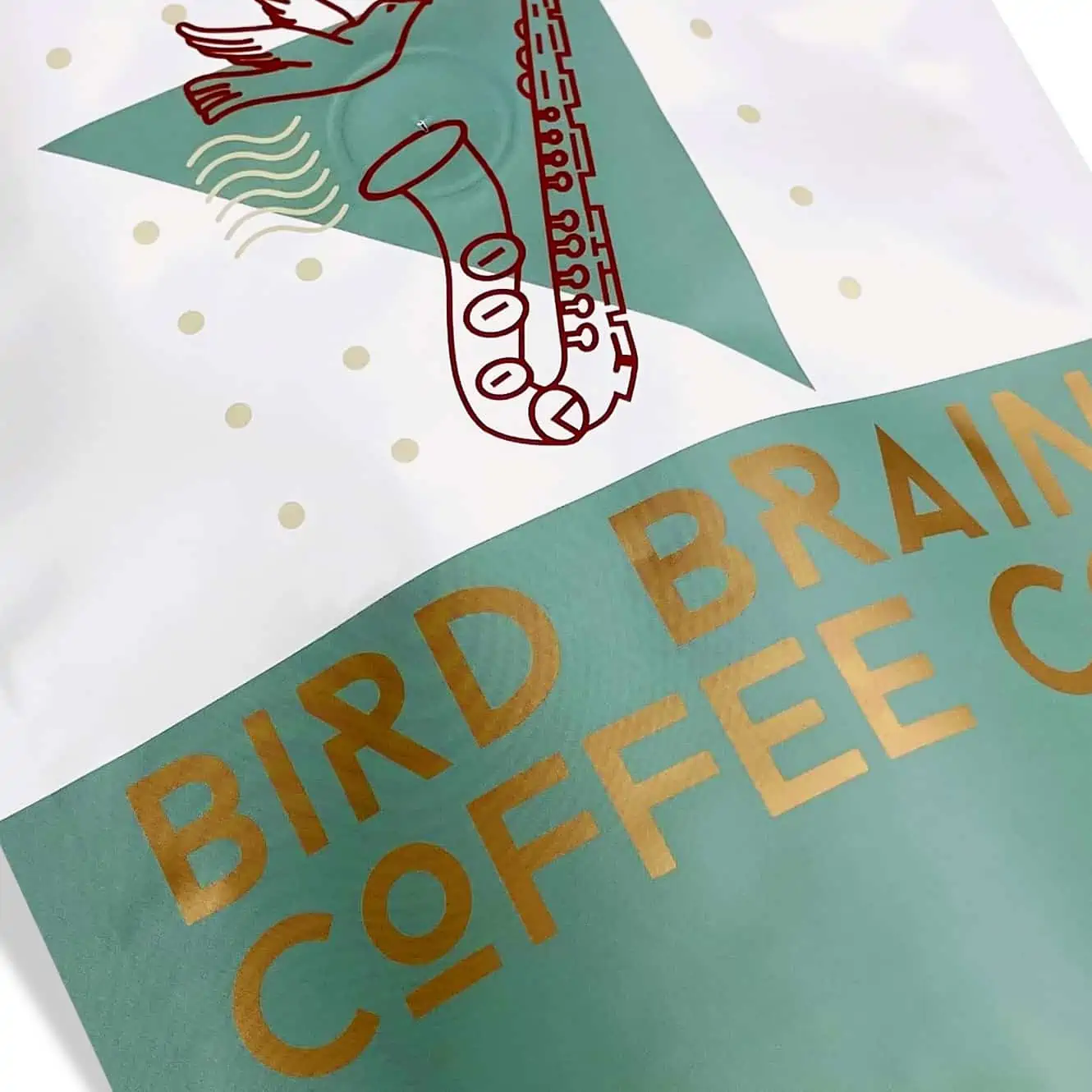
Four, and they are genuinely separate: front, back and two full side panels, with the corner seams landing on the edges rather than across your artwork. That is twice the usable face of a stand-up pouch or a flat pouch, which is why the format suits brands with a lot to say: ingredients and story on the back, certifications and origin down the sides. Seal areas are not printable, so keep anything that has to be read about 3 mm inside the seal line. We send a dieline with the safe zone marked on every panel.
Tell us the product and the fill weight and we will work it out, because size follows volume and not weight. Coffee, pet treats and protein powder at the same weight need three different bags. The usual working range on this format runs roughly 4 to 10 inches wide, 6 to 14 inches high and 3 to 6 inches deep, and an e-zipper needs at least 5 by 6. Aim to fill 70 to 90% of capacity: below that the bag looks slack on a shelf, above it the top will not seal cleanly.
Made up and empty, with the four corner seams and the bottom already sealed and the top left open. You fill and heat seal the top, or your co-packer does. A polyethylene seal layer closes in roughly the 250 to 350°F range and a polypropylene one runs hotter than that. The seal is what makes the pack airtight, so a clean unbroken one matters more than the grade of film behind it: a wrinkle or a channel leaks faster than any barrier film does. Get it right and every bag in the run behaves the same.