Products
Choose Your Custom Pouch
who we are
Resources
My cart





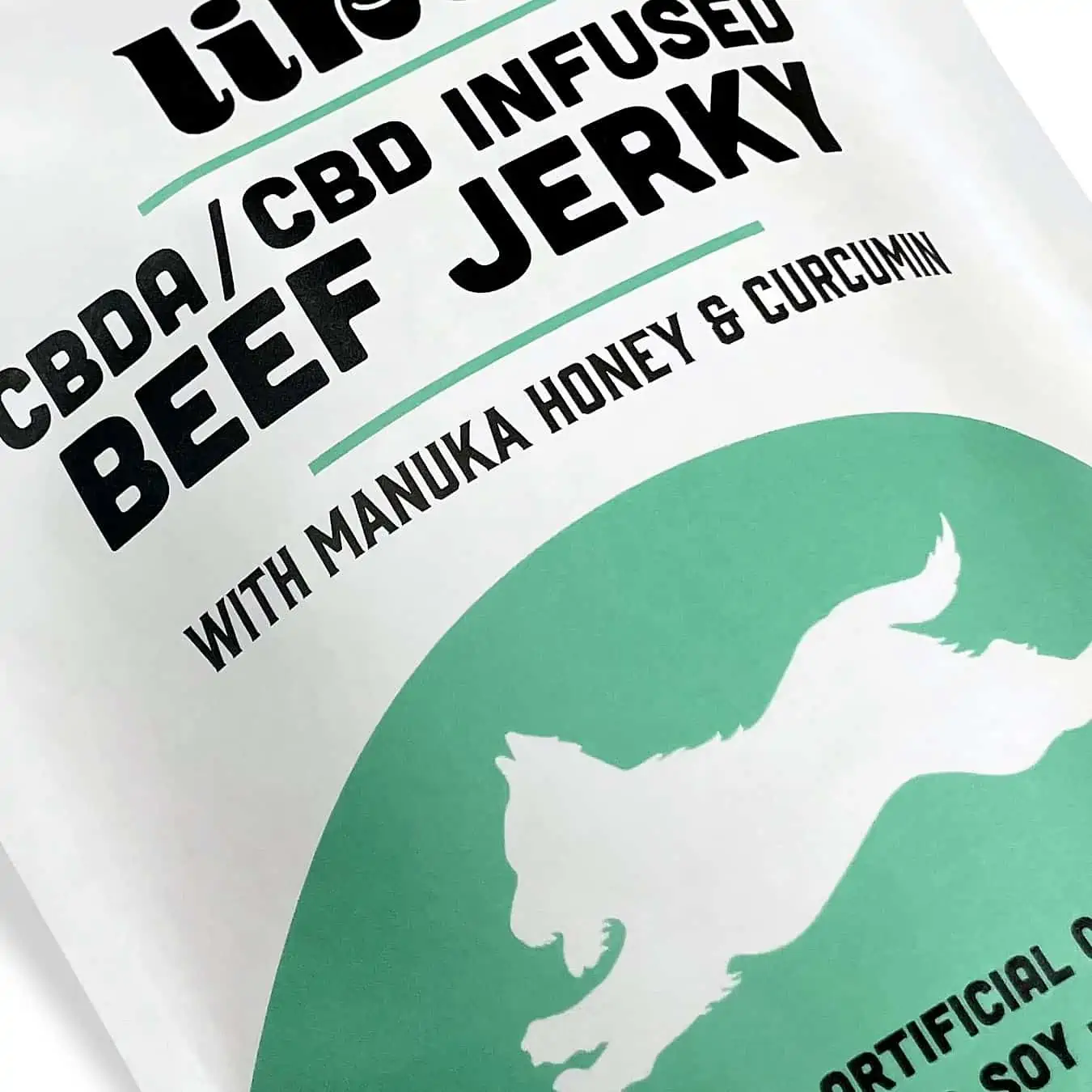
Bag size is decided by volume, not weight, so two products of the same weight often need very different pouches.
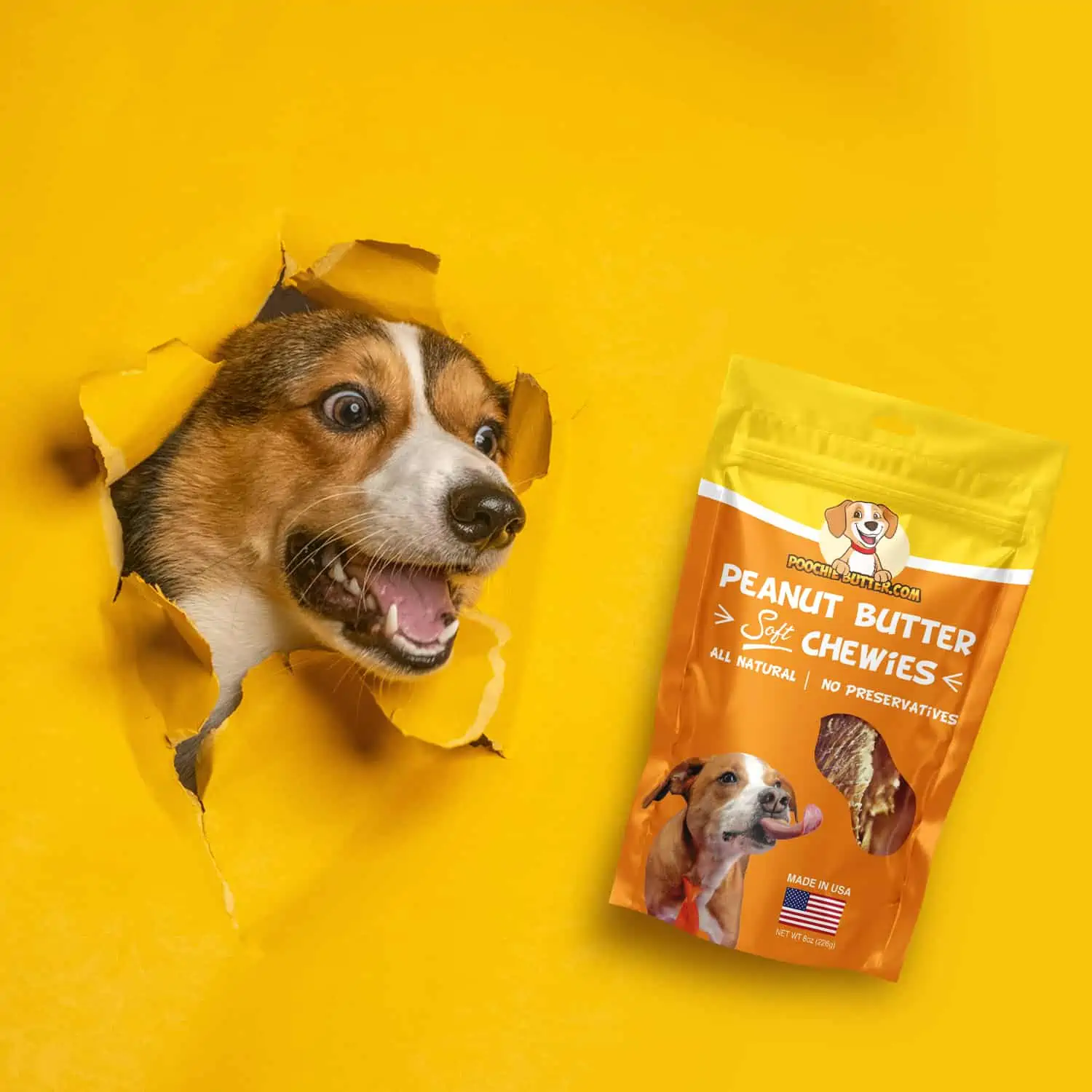
Hard biscuits, soft chews and jerky strips of the same weight need very different bags. Biscuits pack tight, soft chews sit heavier, and strips lie flat and loose with air between them. Aim to fill roughly 70 to 90 percent of capacity: any lower and the pouch looks half empty on shelf, any higher and it will not seal cleanly.
Takes about a minute. Not sure of the fill weight? Put one bag's worth in a ziplock and weigh it.
What brands ask us before their first dog treat run: minimums, barrier, sealing and what actually keeps the product the way you made it.
One hundred per design for stand-up, flat and pillow pouches. A stand-up pouch with a zipper is what most treat brands order. Side gusset, quad seal and flat bottom bags start at 500 per design. The minimum comes from how the bag is built rather than what goes in it, and each artwork counts separately: a three-treat range at 100 each is a 300-unit run with no plate charge for the extra two designs. That is a whole range on shelf for the price of a single-SKU order elsewhere.
Shape decides this more than weight. Round kibble, flat biscuits, bone shapes and meat sticks all pack differently at the same weight, and a freeze-dried treat is lighter again. For small uniform treats we can size from weight. For anything with a defined shape we want one piece's dimensions and how many go in the bag. If the shape is unusual, filling a blank sample bag with your real product settles it before a production run is committed to a bag the treats do not fit.
Yes. The seal layer against the treat is the same food-grade polyethylene or cast polypropylene we use for human food, and the inks sit on the outside of the laminate with barrier layers in between. We can supply a Certificate of Analysis, a food contact declaration and a safety data sheet on request, which is what a pet retailer or a co-packer asks for at vendor qualification. AAFCO requirements apply to your product and its labeling rather than to the film, so that part stays with you.
The barrier layer does most of that work. Meat and fish treats are strong-smelling and a plain clear film will not contain it. Retailers notice, and so do dogs, which is how a display bag ends up chewed. A metallized structure holds odor well and is our standard here. Foil is stronger again. The top has to be heat-sealed for any of it to hold. Contained properly, the pack sits on a shelf without scenting the aisle and still smells right when the owner opens it.
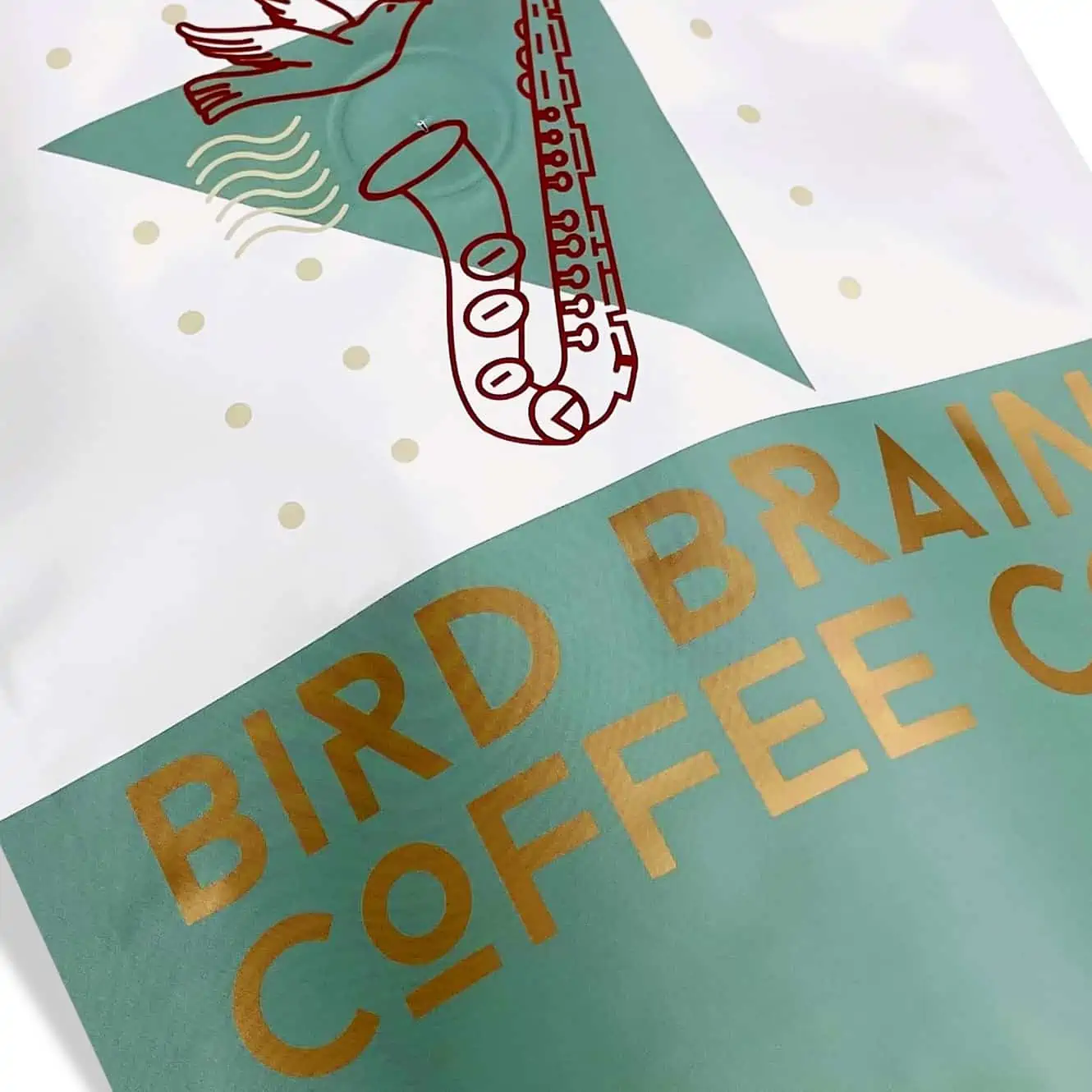
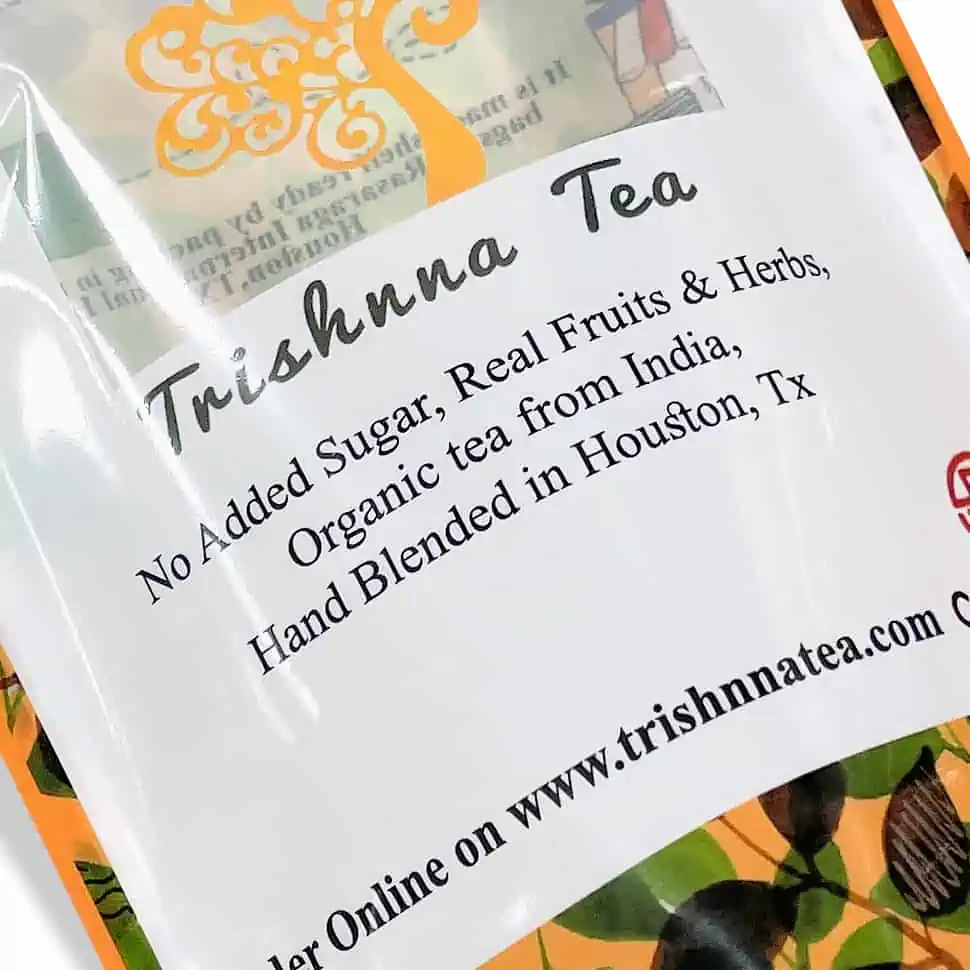
Yes, and buyers do respond to seeing the actual product rather than a photograph of it. The cost is that a window carries less barrier than the rest of the bag, and the treats behind it get more light, which matters most on high-fat treats where light turns the fat rancid independently of oxygen. Keep the window small and off the panel facing store lighting, and you get the sale without the bag nearest the light being the one that comes back.
It can, and one pinhole undoes whatever barrier you specified. You paid for a shelf life and got none. For rigid chews, bones and anything with a sharp end we add a nylon layer, which takes far more puncture and flex than polyethylene on its own. It is the same layer that goes in for vacuum sealing, because vacuum pulls the film tight onto the shape inside. Tell us the hardest item that goes in the bag when you ask for a quote and it is built in from the start.
Foil will not, because the detector reads it as metal. Metallized film is usually described as too thin to trigger a detector, but we have seen it stop a customer's line, so we treat it as a risk rather than a safe assumption. Co-packing is the norm in pet treats, so ask your filler before you settle on a material. Clear barrier films contain no metal and pass, and settling that at quote stage keeps a run moving instead of leaving you with bags nobody can fill.
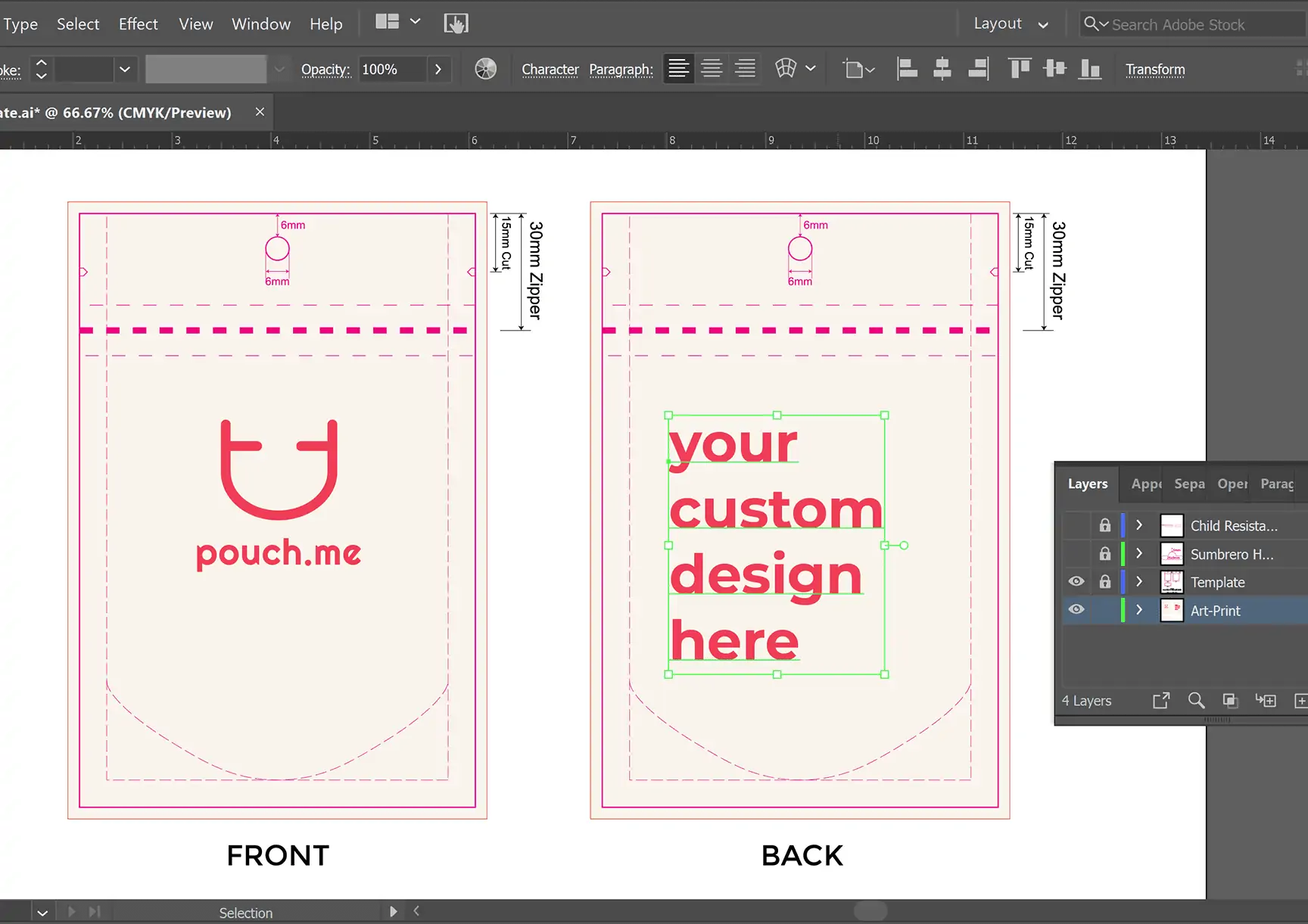
No. Design, prepress and shipping are free, and digital printing has no plate fees, so a second or third design costs nothing extra to set up. Send whatever artwork you have: a vector file, a PDF, even a logo and a rough layout. We build it onto the dieline for your bag size, including the ingredient panel and the barcode, and you approve a proof before anything prints. The bag that arrives scans at checkout and looks like a brand rather than a first attempt.