Products
Choose Your Custom Pouch
who we are
Resources
My cart







What brands ask us before their first pasta run: minimums, barrier, sealing and what actually keeps the product the way you made it.
Less than most foods, which is good news if you want a clear bag. Air and light are not what spoil dry pasta. The risk is damp. In a humid kitchen or warehouse, dry pasta picks up moisture through a thin film. A plain clear bag suits pasta that sells through quickly. For a longer hold, the clear upgrade is our moisture shield film, BOPP/PET/CPP, which still shows every shape. It seals hotter than a standard bag, so tell us if you seal on your own machine. That keeps the bag doing its job without hiding the pasta.
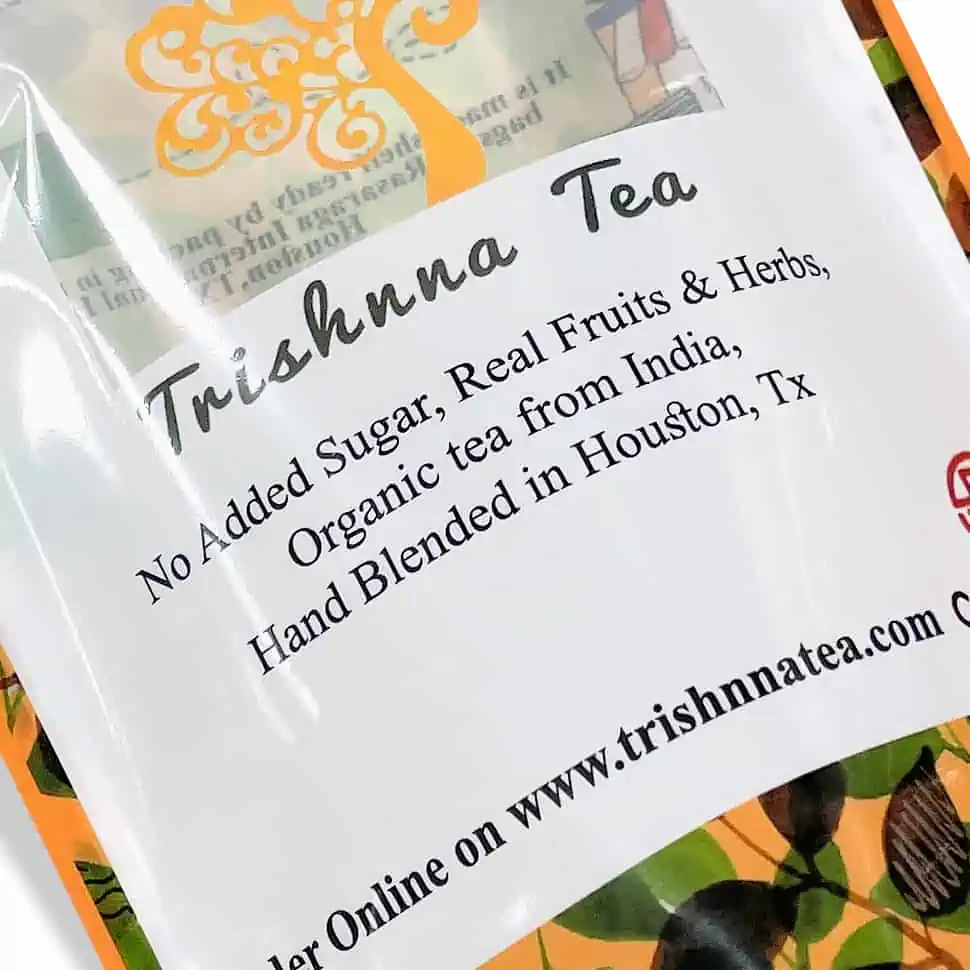
Either works, and for dry pasta the choice is mostly about looks. Dry pasta is not sensitive to light, so a fully clear bag gives up nothing in protection. A window is simply an area left unprinted on clear film, so a matte black bag can still show off the rigatoni through a window of any shape your artwork allows. Kraft with a window also works: the window means a clear liner behind the paper, which gives the protection of a plain clear bag. That is fine for pasta that sells through quickly.
It depends on the shape, and long pasta is its own problem. With short cuts, the shape decides the volume: a pound of rigatoni needs about two thirds more room than a pound of elbows, and more than twice the room of orzo. With spaghetti, linguine and other long pasta, the strand length sets the height, so the inside of the bag has to be taller than the strands, plus the seal and any zipper. Send the shape, the weight per bag and, for long pasta, the strand length, and we size the bag around your pasta rather than a stock bag.
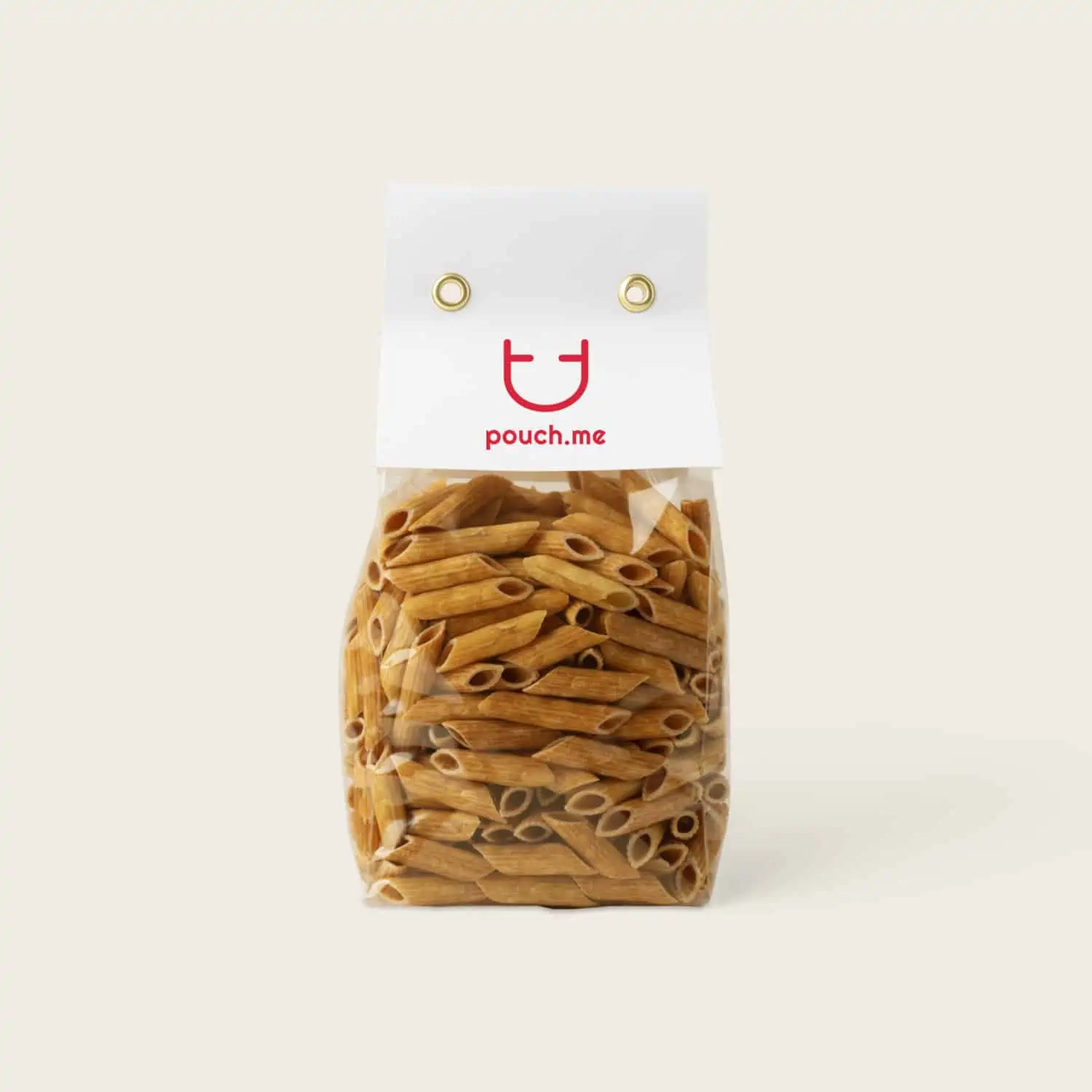
We have quoted it: a clear bag with a printed card header fixed across the top, the style shown in some of our pasta photos. It is not a standard option on our quote form, and the minimum depends on whether the bag itself is printed or only the card. Choose Custom on the pasta quote form, describe it or attach a photo, and ask us when you quote. We will confirm the build and the minimum for your size rather than guess, so you are not designing around a format nobody has confirmed.
Yes, but tell us it is fresh, chilled or frozen, because it changes the film. Fresh pasta holds far more moisture than dry, needs air kept out as well, and is kept cold. For chilled or frozen pasta we specify a cold-rated sealant, and our team confirms the full structure before quoting. If you vacuum pack, we add a nylon layer. We avoid EVOH here, because it loses its oxygen barrier in cold, damp storage. If you seal fresh pasta into trays, printed lidding film is on our pasta quote form as well.
One hundred per design for stand-up pouches, flat pouches and pillow pouches. Quad seal, flat bottom and side gusset bags, the tall square-shouldered shapes seen on pasta shelves, start at 500 per design. The minimum counts per design, so six shapes in six printed designs is six lots of 100. Some makers print one design with a blank line for the shape and fill it in by hand, which keeps a new shape to one design until it earns its own bag. Either way, what goes on the shelf is a printed bag, not a plain pouch with a sticker.
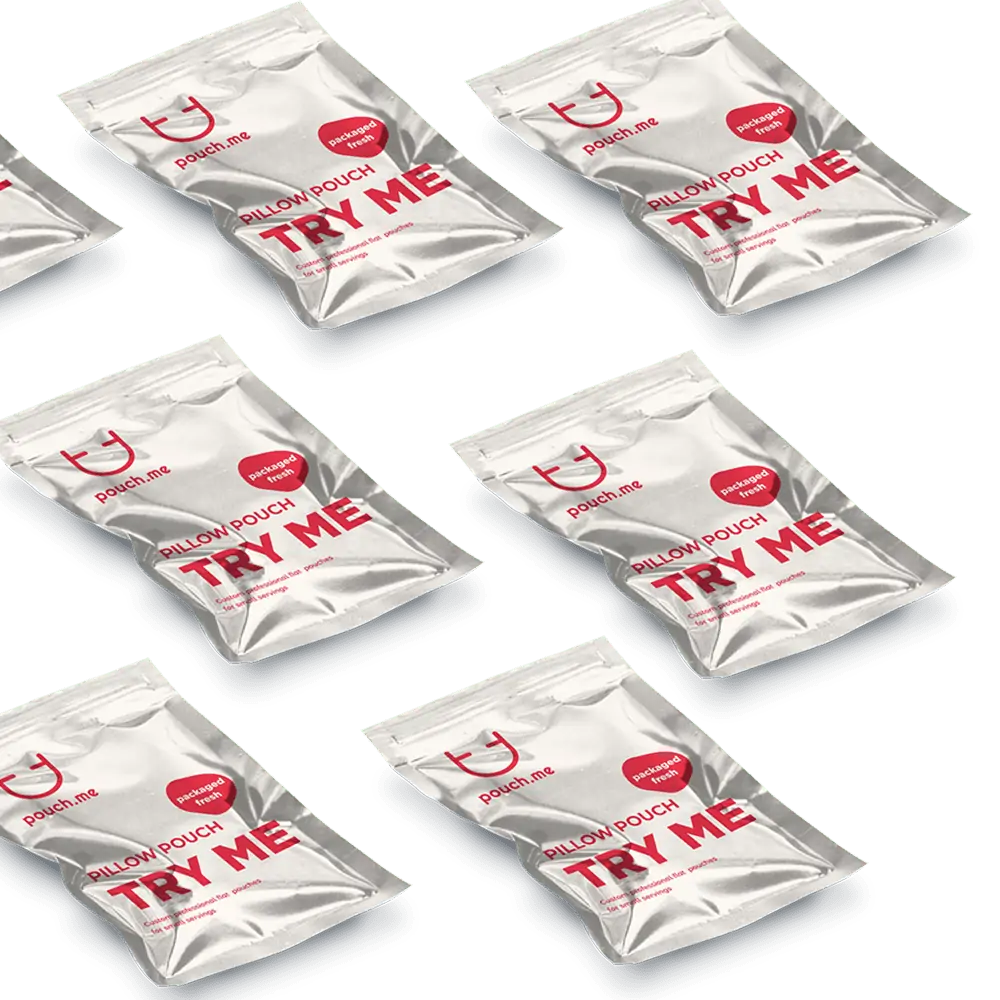
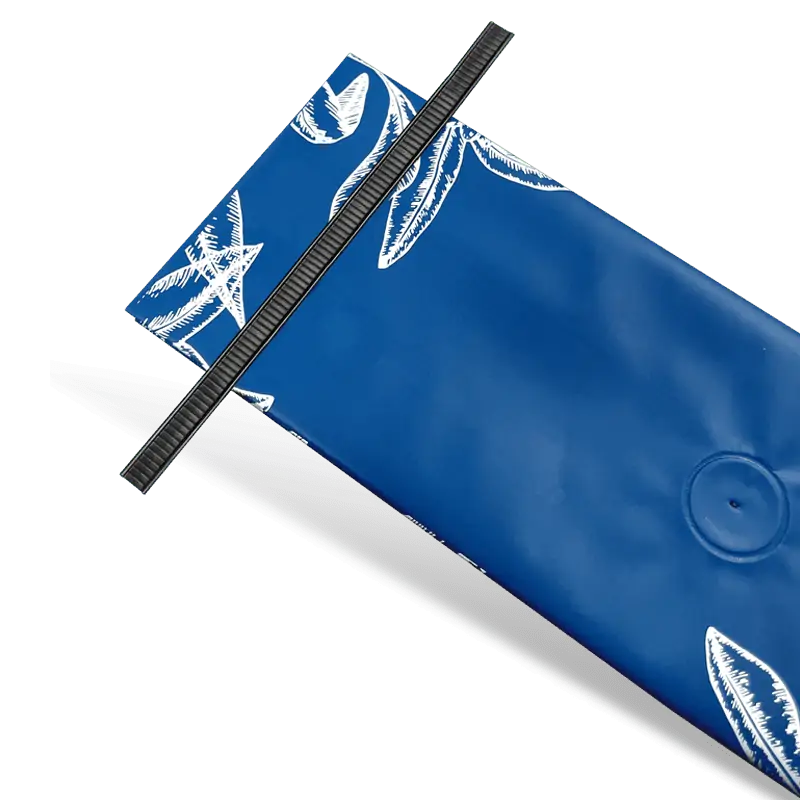
Quad seal and flat bottom bags give pasta the upright, box-shaped look of a grocery shelf and hold long and short cuts well. Both can take a window and either a standard zipper or a wider e-zipper, from 500 per design. A stand-up pouch with a zipper is the lower-minimum route, from 100, and suits short cuts best. A pillow pouch is the classic flat pasta bag and the cheapest per bag, also from 100, and it takes a window but never a zipper. If you fill on your own form-fill-seal machine, we print roll film to the same artwork.